Does Mouth Breathing Affect Teeth and Jaw Growth
Does your child breathe through their mouth instead of their nose—and could that be affecting their teeth and jaw development? It might seem like a small habit, but mouth breathing can have a significant impact on how a child’s face, jaw, and teeth grow over time. Many parents in Fort Worth are surprised to learn that this common issue is closely linked to orthodontic concerns.
What Is Mouth Breathing in Children?
Mouth breathing occurs when a child regularly breathes through their mouth instead of their nose, whether during the day, at night, or both. While occasional mouth breathing due to a cold is normal, consistent mouth breathing can signal an underlying issue.
Common causes include:
- Allergies or nasal congestion
- Enlarged tonsils or adenoids
- Habitual breathing patterns
- Structural airway concerns
When mouth breathing becomes a long-term habit, it can begin to influence how the jaw and facial muscles develop.
How Mouth Breathing Affects Jaw Development
Proper jaw growth depends on correct oral posture—especially the position of the tongue. When a child breathes through their nose, the tongue naturally rests on the roof of the mouth, helping to widen and shape the upper jaw.
With mouth breathing, the tongue drops to the floor of the mouth. This can lead to:
- A narrow upper jaw
- Reduced space for teeth
- Poor facial development
- Imbalanced bite alignment
This is one of the main reasons parents seek early orthodontic care in Fort Worth when they notice both breathing issues and alignment concerns.
Mouth Breathing and Crooked or Crowded Teeth
One of the most visible effects of mouth breathing is crooked or crowded teeth. When the jaw doesn’t develop properly, there isn’t enough room for adult teeth to come in straight.
This can result in:
- Overlapping or crowded teeth
- Teeth erupting in the wrong position
- Increased need for braces later
Addressing mouth breathing early can help create the space needed for proper alignment and reduce future orthodontic complexity.
Impact on Facial Growth and Appearance
Mouth breathing doesn’t just affect teeth—it can also influence the overall shape of a child’s face. Over time, children who primarily breathe through their mouths may develop what’s often referred to as “long face syndrome.”
This may include:
- A longer, narrower face
- A recessed chin
- A less defined jawline
- Lips that remain slightly open at rest
These changes occur gradually, which is why early detection is so important. Many families looking for a Fort Worth orthodontist for kids are seeking guidance on both function and appearance.
Connection Between Mouth Breathing and Sleep Issues
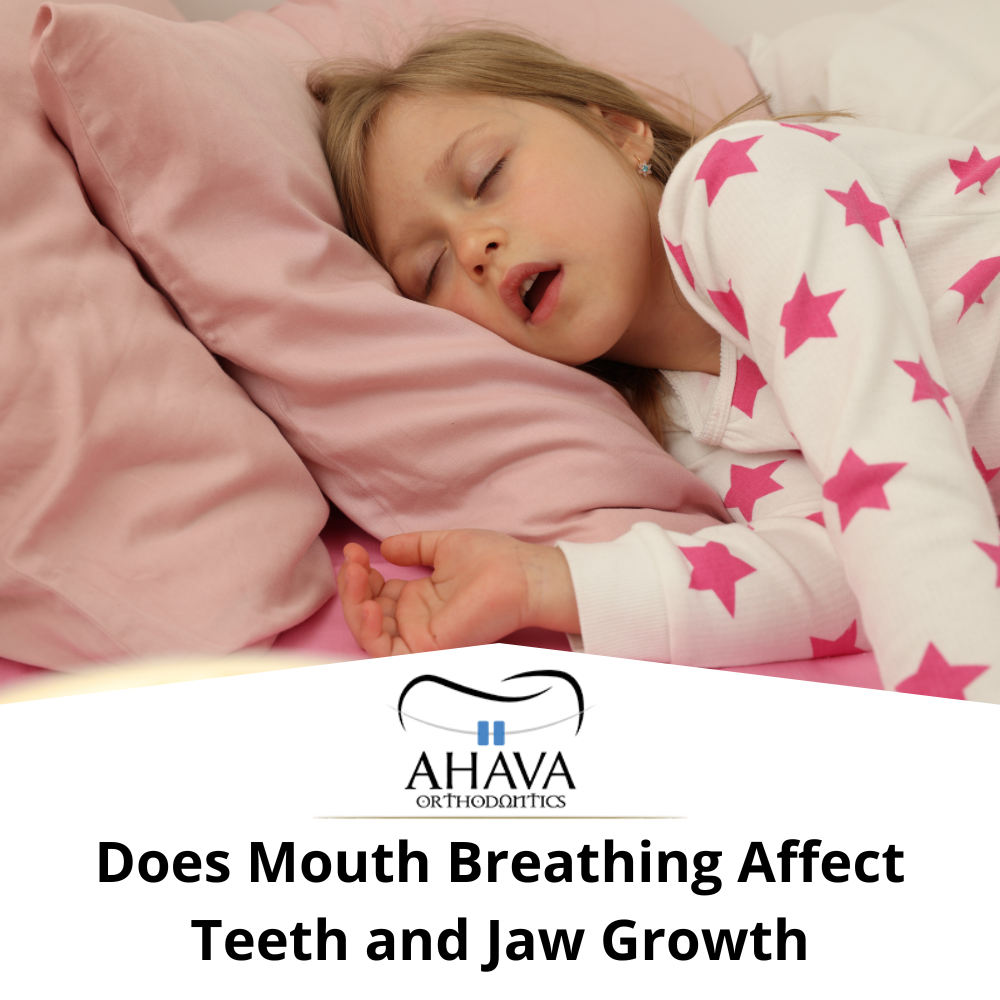
Another important factor is how mouth breathing affects sleep. Children who breathe through their mouths may experience disrupted sleep patterns due to restricted airflow.
Signs to watch for:
- Snoring or noisy breathing at night
- Restless sleep
- Daytime fatigue or difficulty focusing
- Dry mouth upon waking
Poor sleep can impact a child’s overall health, growth, and even behavior. Addressing breathing patterns can improve both oral development and quality of life.
Role of Tongue Posture and Oral Habits
Mouth breathing is often linked to poor tongue posture, which plays a major role in jaw development. When the tongue rests low in the mouth instead of against the palate, it fails to support proper arch expansion.
Other related habits include:
- Tongue thrusting
- Improper swallowing patterns
- Open-mouth resting posture
These habits can reinforce each other, making it important to address them together for long-term improvement.
MyoBrace Treatment for Mouth Breathing in Fort Worth
One of the most effective ways to address mouth breathing and its effects is through MyoBrace treatment in Fort Worth. This system focuses on correcting the underlying habits that contribute to improper development.
MyoBrace works by:
- Training proper tongue posture
- Encouraging nasal breathing
- Strengthening facial muscles
- Supporting natural jaw expansion
By focusing on function rather than just alignment, MyoBrace helps create lasting improvements in both breathing and dental development.
When to See a Pediatric Orthodontist in Fort Worth
If you notice signs of mouth breathing, it’s important to schedule an evaluation early—ideally around age 7 or sooner if symptoms are present.
An early orthodontic assessment can:
- Identify the cause of mouth breathing
- Evaluate jaw and dental development
- Recommend appropriate treatment or monitoring
- Prevent more complex issues later
Many parents searching for pediatric orthodontics in Fort Worth are looking for answers about both breathing and alignment—and early care provides that clarity.
What Parents in Fort Worth Should Know
Parents often wonder if mouth breathing is something their child will outgrow. In most cases, it does not resolve on its own and can continue to affect development if left untreated.
What matters most:
- Early awareness leads to better outcomes
- Addressing habits improves long-term health
- Treatment can be simple when started early
The sooner you identify the issue, the more options you have to guide proper growth.
If You’re Concerned About Mouth Breathing, We’re Here to Help
If you’re asking “Does mouth breathing affect teeth and jaw growth?”, the answer is yes—but the good news is that it can be addressed with the right approach. Early intervention can improve not just your child’s smile, but their breathing, sleep, and overall development.
When you need expert guidance from a trusted Fort Worth orthodontist, Ahava Orthodontics is here to help. We focus on identifying the root cause, guiding natural growth, and creating treatment plans that support long-term health.
Schedule your free consultation today and take the first step toward healthier breathing and a stronger, more confident smile for your child.