What Is the Best Type of Braces for My Child
Ahava Orthodontics helps Fort Worth families choose the best type of braces for kids by explaining each option clearly and matching treatment to a child’s needs, lifestyle, and growth stage. Modern orthodontics offers several choices, each designed to correct alignment while keeping kids comfortable and confident.
Many parents feel unsure about which braces are right for their child. The best choice depends on how the teeth and jaws are developing, as well as how the child will handle daily care during treatment.
Understanding the Different Types of Braces for Kids
There is no single “best” option for every child. Orthodontists recommend braces based on alignment needs, bite concerns, and long-term goals.
The most common types of braces include:
- Traditional metal braces
- Ceramic (clear) braces
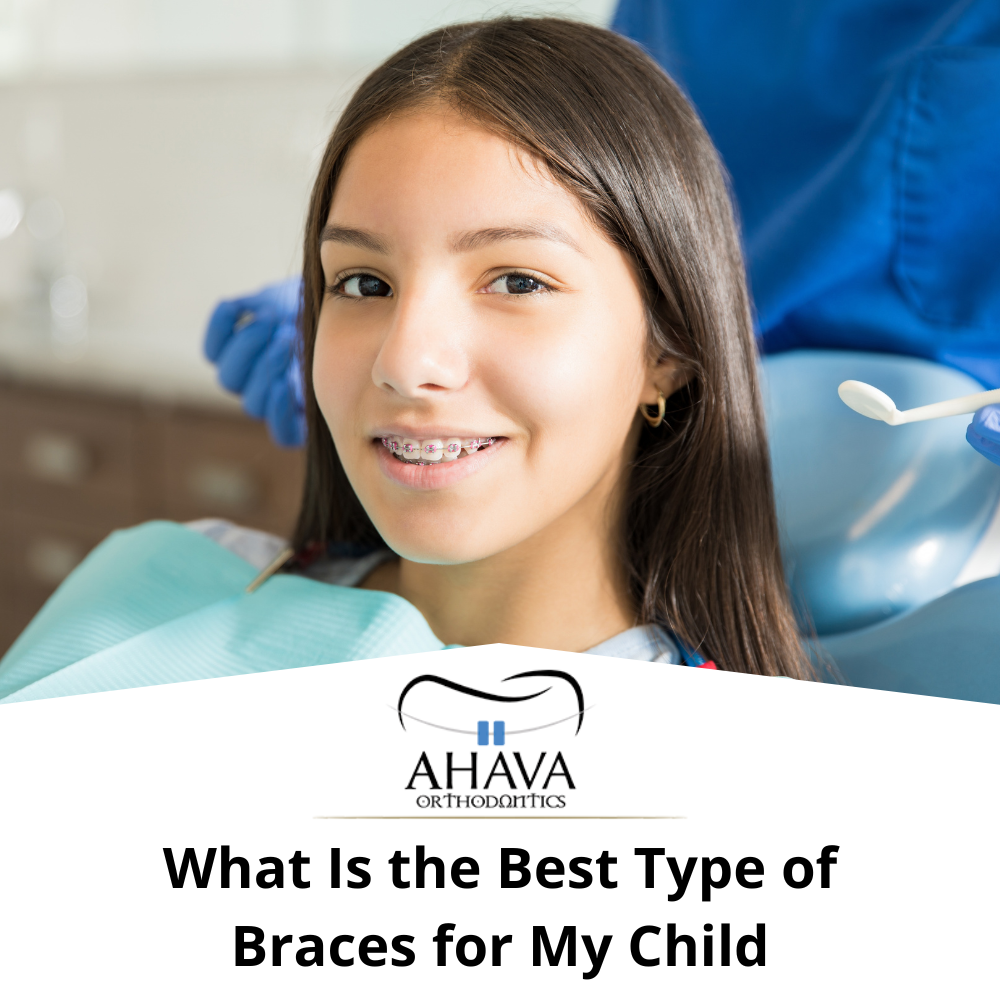
Each type works by applying gentle pressure to move teeth into proper alignment over time. The difference comes down to appearance, durability, and how they fit into a child’s routine.
Parents can explore treatment options in more detail on our Braces page.
Traditional Metal Braces: Reliable and Effective
Traditional metal braces remain one of the most widely used orthodontic treatments for children. They are strong, efficient, and capable of correcting simple to complex alignment issues.
These braces use metal brackets and wires to guide tooth movement. Because they are fixed in place, they work continuously without relying on the child to remember to wear them.
Metal braces are often recommended for younger patients because they are durable and handle active lifestyles well. They are also effective for more complex bite concerns that require precise control.
Ceramic Braces: A More Subtle Option
Ceramic braces function the same way as metal braces but use tooth-colored or clear brackets that blend in with natural teeth. This makes them less noticeable, which can be appealing for older children or teens.
While ceramic braces offer a more subtle look, they require a bit more care. The brackets can be slightly more delicate than metal ones, and good oral hygiene is important to keep them looking clean.
For kids who are concerned about appearance but still need fixed braces, ceramic braces can be a good balance between effectiveness and aesthetics.
What About Clear Aligners for Kids?
Clear aligners, such as Invisalign, are another option for some children. These removable trays gradually move teeth into place and are nearly invisible when worn.
However, aligners require discipline. Children must wear them for most of the day and remove them only for eating and brushing. Because of this, aligners are typically better suited for older kids or teens who can follow instructions consistently.
Families interested in this option can learn more on our Invisalign page.
How Orthodontists Choose the Best Option
Choosing the best type of braces for kids starts with a detailed orthodontic evaluation. The orthodontist looks at tooth alignment, jaw growth, and bite function before recommending a treatment plan.
Key factors that influence the decision include:
- Severity of crowding or bite issues
- Child’s age and stage of development
Some children may benefit from early treatment to guide jaw growth before braces are even needed. Learn more about this approach on our Early Treatment page.
Comfort and Daily Life with Braces
Parents often worry about whether braces will be uncomfortable or disruptive. Modern orthodontic technology has made braces more comfortable than in the past.
Children may feel mild soreness after adjustments, but this usually fades quickly. Orthodontists also use smoother materials and lighter forces to improve comfort.
Daily routines may require small adjustments, such as avoiding very hard or sticky foods and brushing carefully around brackets. With a little practice, most kids adapt quickly.
What Fort Worth Parents Care About Most
Parents want to choose a treatment that works effectively without adding stress to their child’s daily life. At Ahava Orthodontics, each recommendation is based on what will deliver the best long-term result—not just the most popular option.
Families appreciate clear explanations about treatment choices and what each option involves. Understanding the pros and limitations of each type of braces helps parents feel confident in their decision.
One Fort Worth parent shared:
“We weren’t sure which braces to choose, but the orthodontist explained everything clearly. We picked the option that fit our child’s needs, and the process has been smooth.”
That guidance makes a big difference throughout treatment.
What Happens After Braces
Once braces are removed, retainers help keep teeth in their new positions. Teeth naturally shift over time, especially during growth, so retainers are an important part of maintaining results.
Families can learn more about this step on our Retainers page.
Consistent retainer use protects the investment made in orthodontic care and keeps smiles looking their best.
Choosing What’s Best for Your Child
The best type of braces is the one that fits your child’s specific needs, not just appearance or convenience. Orthodontic care is highly personalized, and the right choice supports both function and long-term stability.
The American Association of Orthodontists recommends working with a specialist to determine the best treatment option based on each child’s development (https://aaoinfo.org/).
Get the Help You Need
If you’re looking for the best type of braces for your child, call 817-926-9777 to schedule an evaluation. Ahava Orthodontics will assess your child’s smile, explain all options clearly, and create a plan designed for long-term success.