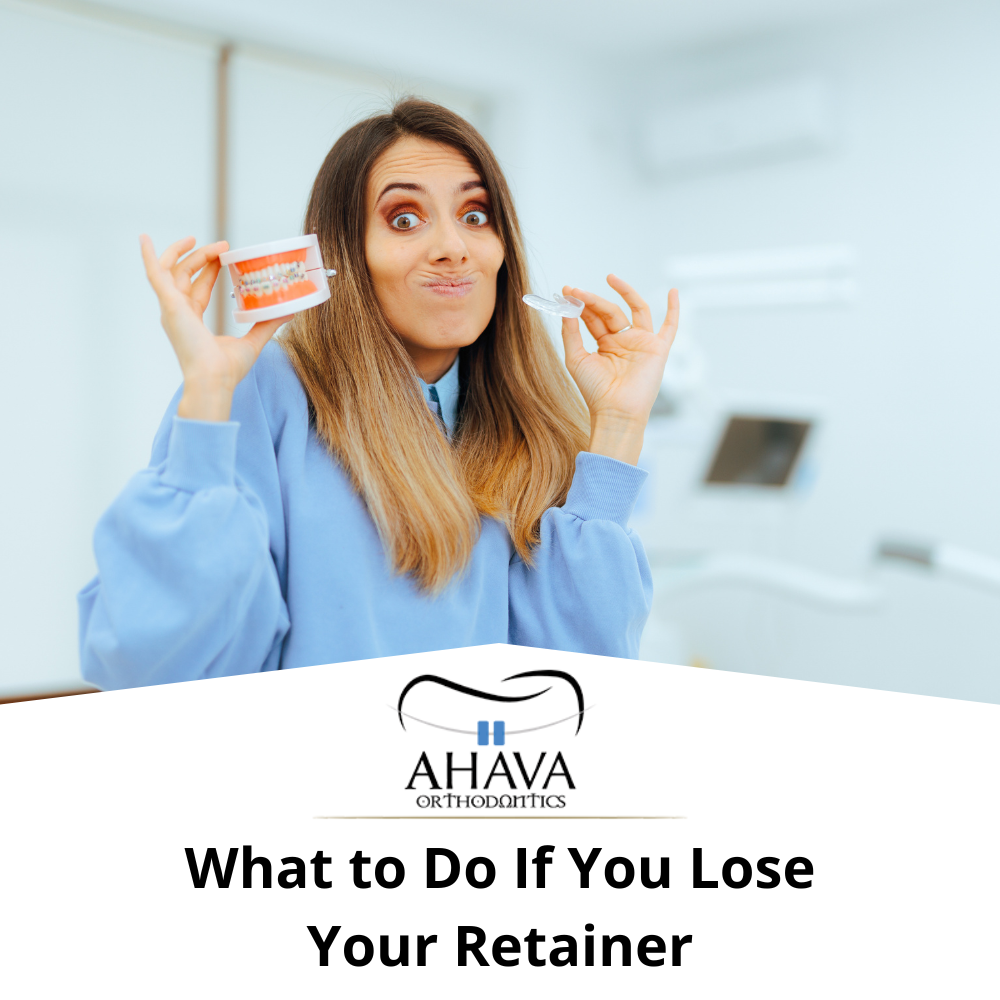
What to Do If You Lose Your Retainer
Ahava Orthodontics helps Fort Worth families understand what to do if you lose your retainer and how to protect your smile after orthodontic treatment. Retainers play a critical role in keeping teeth straight, and quick action after losing one can prevent unwanted shifting.
Losing a retainer is common, especially for kids and teens with busy schedules. While it may feel stressful at first, knowing the right steps can make the situation easy to manage and help maintain long-term results.
Why Retainers Matter So Much
After braces or aligners come off, teeth are not fully settled in their new positions. The surrounding bone and gums need time to stabilize. During this period, teeth naturally want to move back.
Retainers hold teeth in place and protect the results of orthodontic treatment. Without them, even small shifts can happen quickly—sometimes within days.
Families can learn more about retention on our Retainers page.
What to Do Right Away If You Lose Your Retainer
If your retainer is lost, acting quickly is the most important step. The sooner you respond, the less likely your teeth are to shift.
Start by checking common places like backpacks, lunchboxes, sports bags, bathrooms, and bedding. Retainers are often wrapped in napkins or placed in pockets and accidentally thrown away.
If the retainer cannot be found, contact your orthodontist as soon as possible. You can reach out through our Contact page.
Quick replacement helps maintain your current alignment and avoids the need for additional treatment.
How Fast Can Teeth Shift Without a Retainer?
Teeth can begin shifting sooner than most people expect. This is especially true during the first few months after braces are removed, when the bone is still adjusting.
Even a short gap without a retainer can lead to:
- Teeth feeling tight when a new retainer is placed
- Small gaps reopening or crowding returning
The longer a retainer is missing, the more likely it is that adjustments will be needed to restore alignment.
What Happens When You Get a Replacement Retainer
Replacing a retainer is usually simple. The orthodontist will check your current alignment and take a digital scan or impression to create a new retainer.
If teeth have shifted slightly, the new retainer may feel tight at first. In some cases, minor adjustments or short-term aligner treatment may be recommended to bring teeth back into position before moving forward with retention.
For patients who recently completed treatment, you can review the full process on our Braces page.
Can You Use an Old Retainer?
If you have an older retainer that still fits comfortably, it may help hold your teeth temporarily until a replacement is made. However, if it feels tight or does not fit properly, do not force it into place.
Wearing an ill-fitting retainer can cause discomfort or even unwanted tooth movement. It’s always best to have your orthodontist evaluate the fit.
How to Prevent Losing Your Retainer Again
Once you replace your retainer, building good habits helps prevent future loss. Retainers are small and easy to misplace, but simple routines can make a big difference.
Helpful habits include:
- Always storing the retainer in its case when not in use
- Avoiding wrapping it in napkins or leaving it on tables
Keeping the case in a consistent location—like a backpack pocket or bathroom drawer—makes it easier to remember.
What Fort Worth Families Care About Most
Parents and patients often worry that losing a retainer will undo all the progress made during orthodontic treatment. At Ahava Orthodontics, the focus is on quick solutions and clear guidance.
Most cases are easy to correct when addressed early. Orthodontists provide fast replacements and monitor any minor changes to keep treatment on track.
One Fort Worth parent shared:
“My son lost his retainer at school, and we were worried his teeth would shift. The orthodontist replaced it quickly, and everything stayed in place.”
That reassurance helps families stay calm and take action quickly.
The Long-Term Importance of Retainer Use
Retainers are not just a short-term step. Teeth can shift throughout life, even years after orthodontic treatment. Wearing retainers as directed helps maintain alignment and protect the investment made in a healthy smile.
Consistent use is the best way to avoid needing additional orthodontic treatment later.
The American Association of Orthodontists emphasizes that long-term retainer use is essential for keeping teeth straight after treatment (https://aaoinfo.org/healthy-smiles/retainers/).
Get the Help You Need
If you’re looking for help after losing your retainer, call 817-926-9777 to schedule a visit. Ahava Orthodontics will replace your retainer quickly, check your alignment, and help you keep your smile on track.