
Friendly Orthodontics Tips and Guidance
First Things First: Orthodontics Care
While we continuously focus on the latest updates in orthodontics care, how we’re improving, and how you can have the smile you want without all the pain that is generally associated with orthodontics, we also have tips for at home dental and orthodontic care you might have missed. Here’s some key points not to miss!
Latest Articles from Ahava Orthodontics
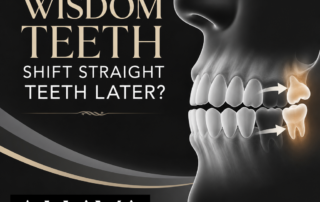
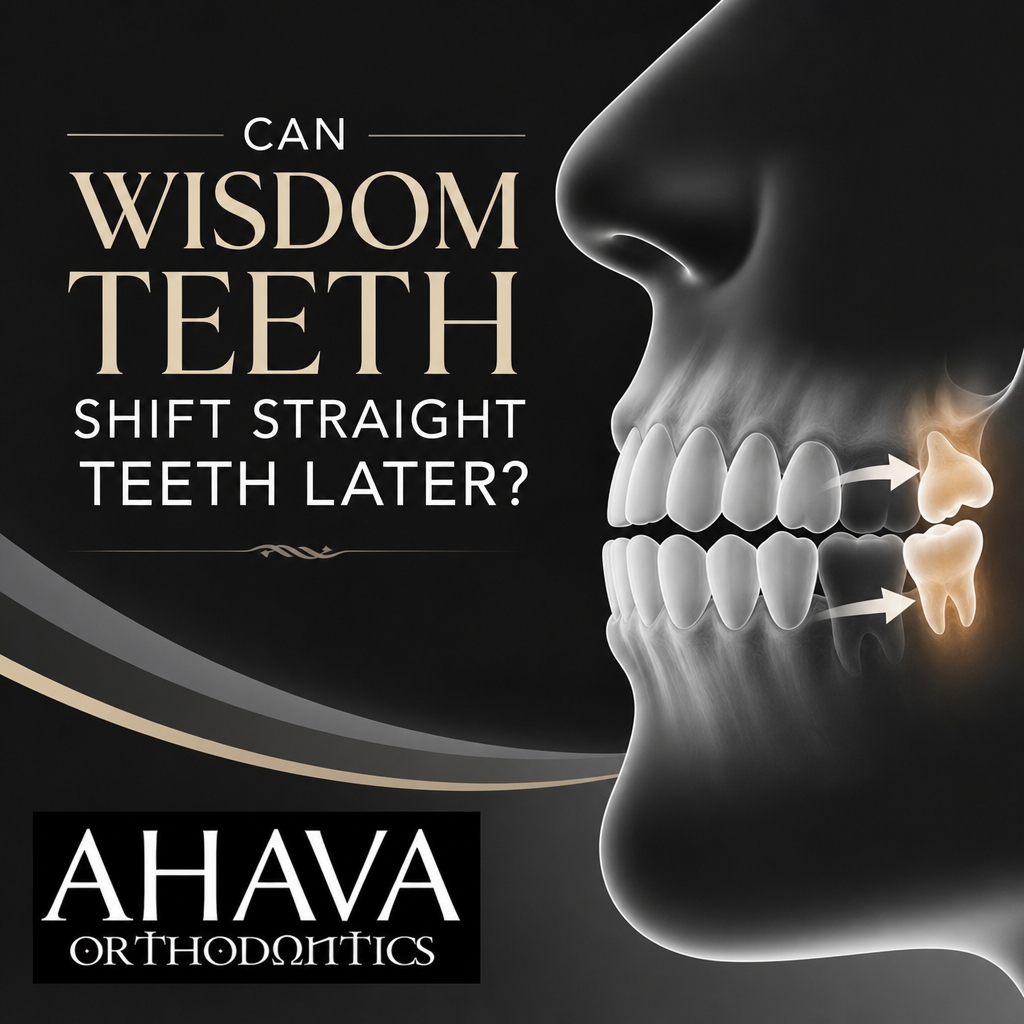
Can Wisdom Teeth Shift Straight Teeth Later
Can wisdom teeth shift straight teeth later, and could Ahava Orthodontics help protect the smile you or your teen worked so hard to achieve? Yes—while wisdom teeth are not always the main cause of shifting, an orthodontic evaluation can identify what is really moving your teeth and help you maintain healthier, more confident alignment. If you are noticing crowding, pressure, or changes after braces or Invisalign, it is natural to wonder whether wisdom teeth are pushing your straight teeth out of place. The truth is a little more complex. Wisdom teeth can contribute to discomfort or crowding in some cases, but late tooth movement often comes from natural jaw changes, bite forces, missed retainer wear, or orthodontic relapse. At Ahava [...]
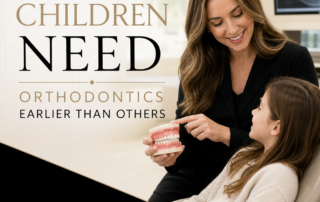
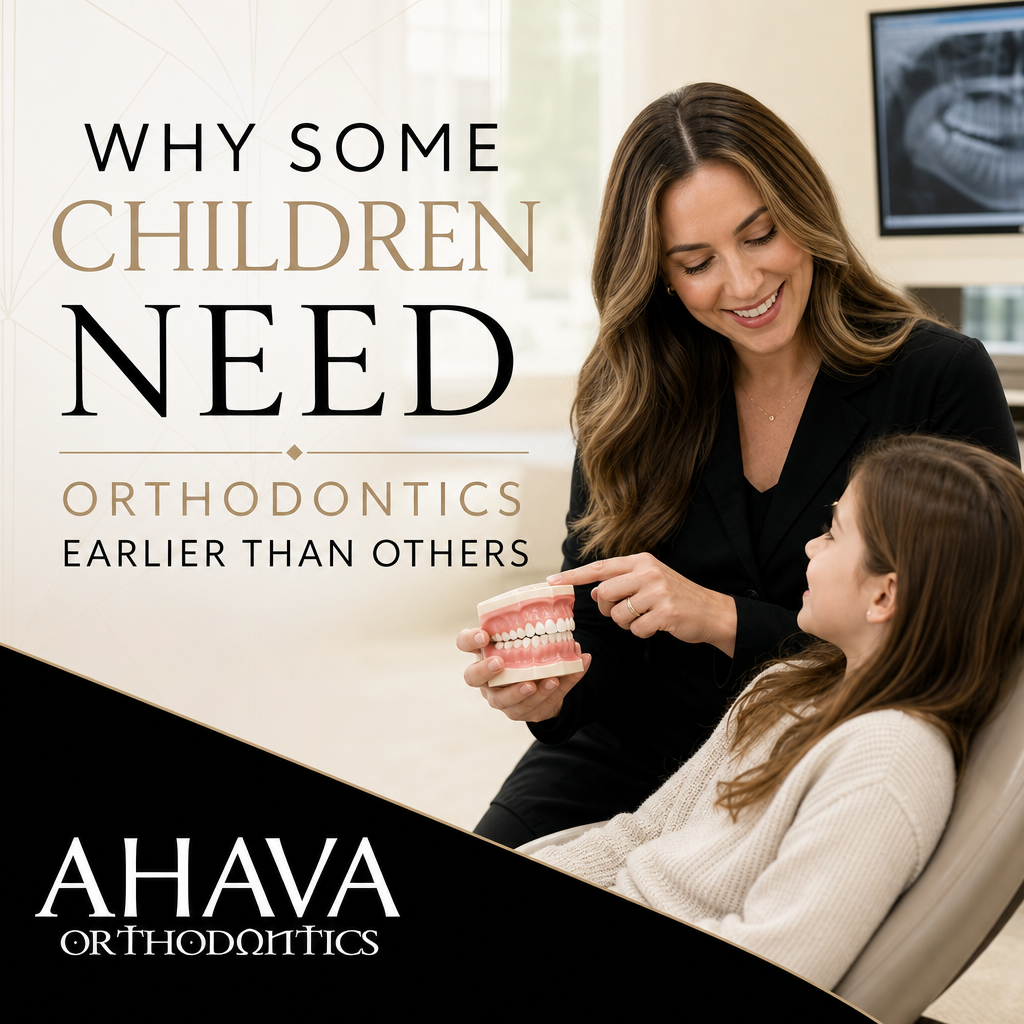
Why Some Children Need Orthodontics Earlier Than Others
Wondering if your child needs early orthodontics sooner than their classmates? Ahava Orthodontics helps families understand growth, bite alignment, and smile development so children can receive the right care at the right time. Some children benefit from orthodontic care earlier because their teeth, jaws, or bite are developing in a way that may become harder to correct later. Early care does not always mean your child needs braces right away. It often means an orthodontist can monitor growth, spot concerns early, and recommend treatment only when it will truly help. At Ahava Orthodontics, families receive clear guidance, modern technology, and personalized recommendations designed around each child’s needs. Early orthodontic evaluation for children with growing smiles The American Association of Orthodontists [...]
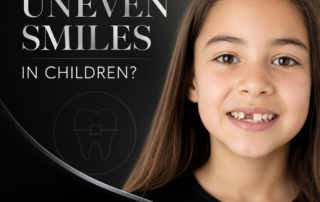
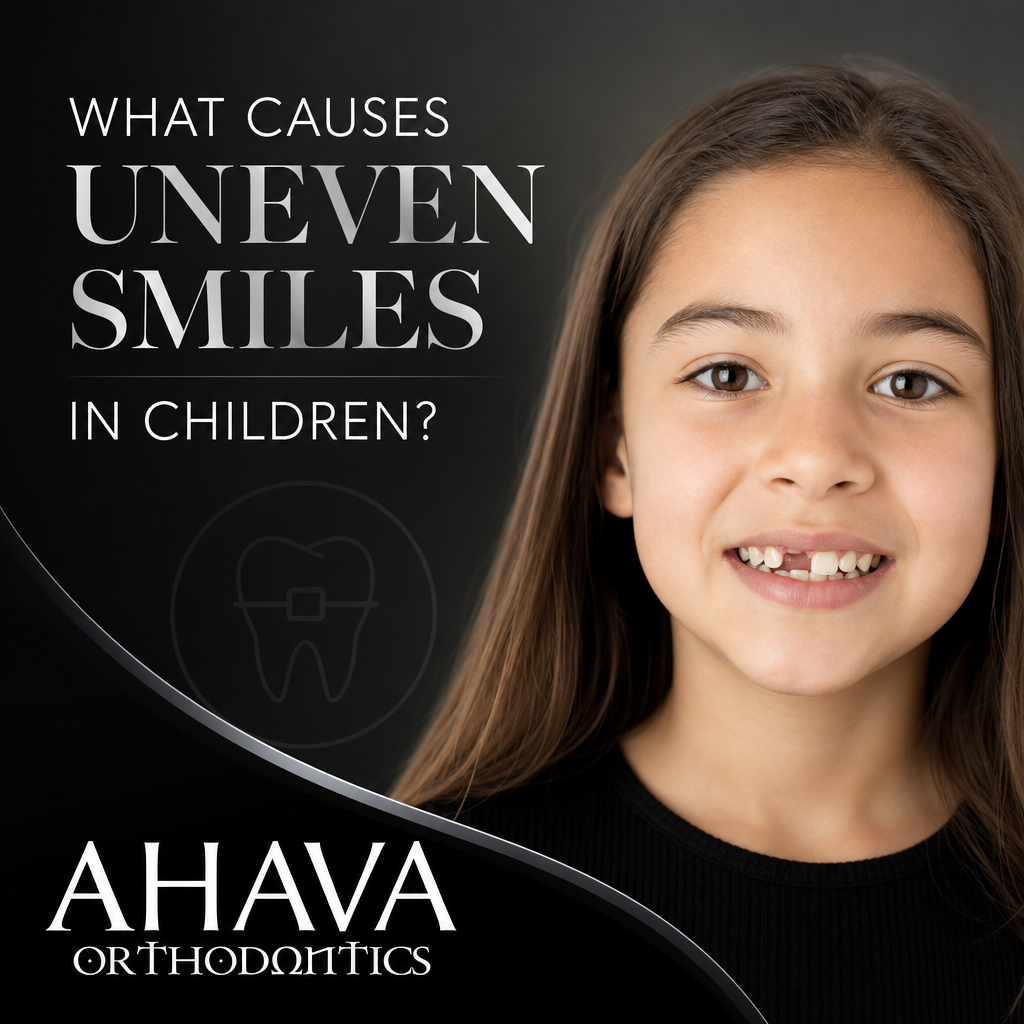
What Causes Uneven Smiles in Children
Wondering what causes uneven smiles in children and whether orthodontic treatment can help your child develop a healthier, more confident smile? An uneven smile in a child can happen for many reasons, including tooth crowding, jaw growth differences, bite problems, habits like thumb sucking, early or late tooth loss, or teeth coming in at unusual angles. Some smile changes are part of normal development, but others may signal that your child could benefit from an orthodontic evaluation. At Ahava Orthodontics, we help parents understand what is happening, what may change naturally, and when personalized orthodontic treatment can support better smile balance, bite function, and long-term oral health. Common Causes of Uneven Smiles in Children One of the most common causes [...]
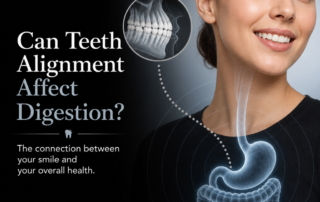
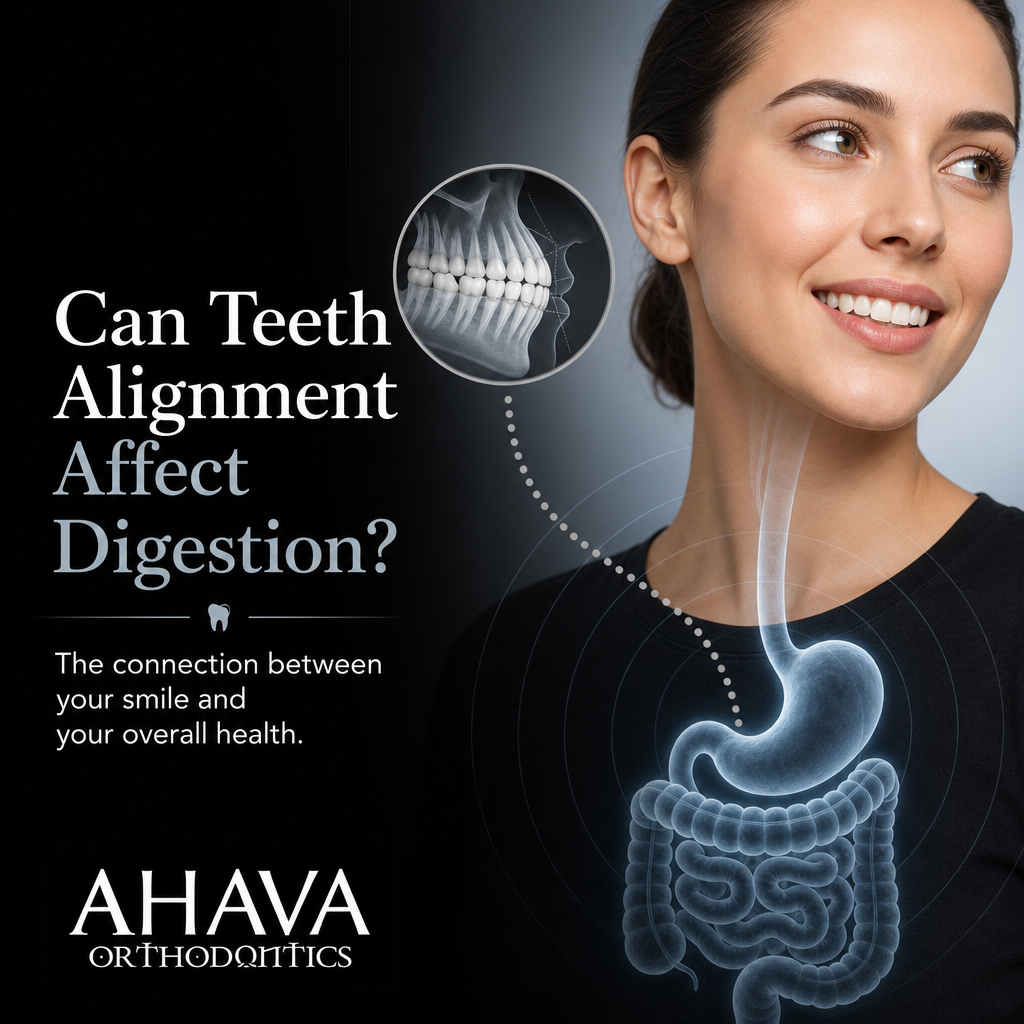
Can Teeth Alignment Affect Digestion
Can teeth alignment affect digestion? Ahava Orthodontics helps patients improve chewing function, bite alignment, and smile confidence through personalized braces and Invisalign treatment designed for long-term oral health. Yes, tooth alignment can play a role in digestion because digestion begins in the mouth. When teeth do not fit together properly, it can be harder to chew food thoroughly before swallowing. While orthodontic care is not a treatment for digestive disease, improving teeth alignment and bite function may support better chewing, more comfortable eating, and healthier daily habits. At Ahava Orthodontics, we evaluate how your teeth, jaws, and bite work together so you can make an informed decision about orthodontic treatment. How misaligned teeth can affect chewing and digestion Chewing is [...]
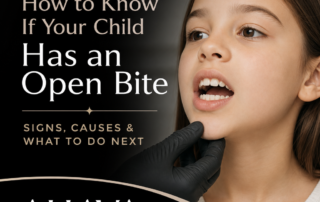
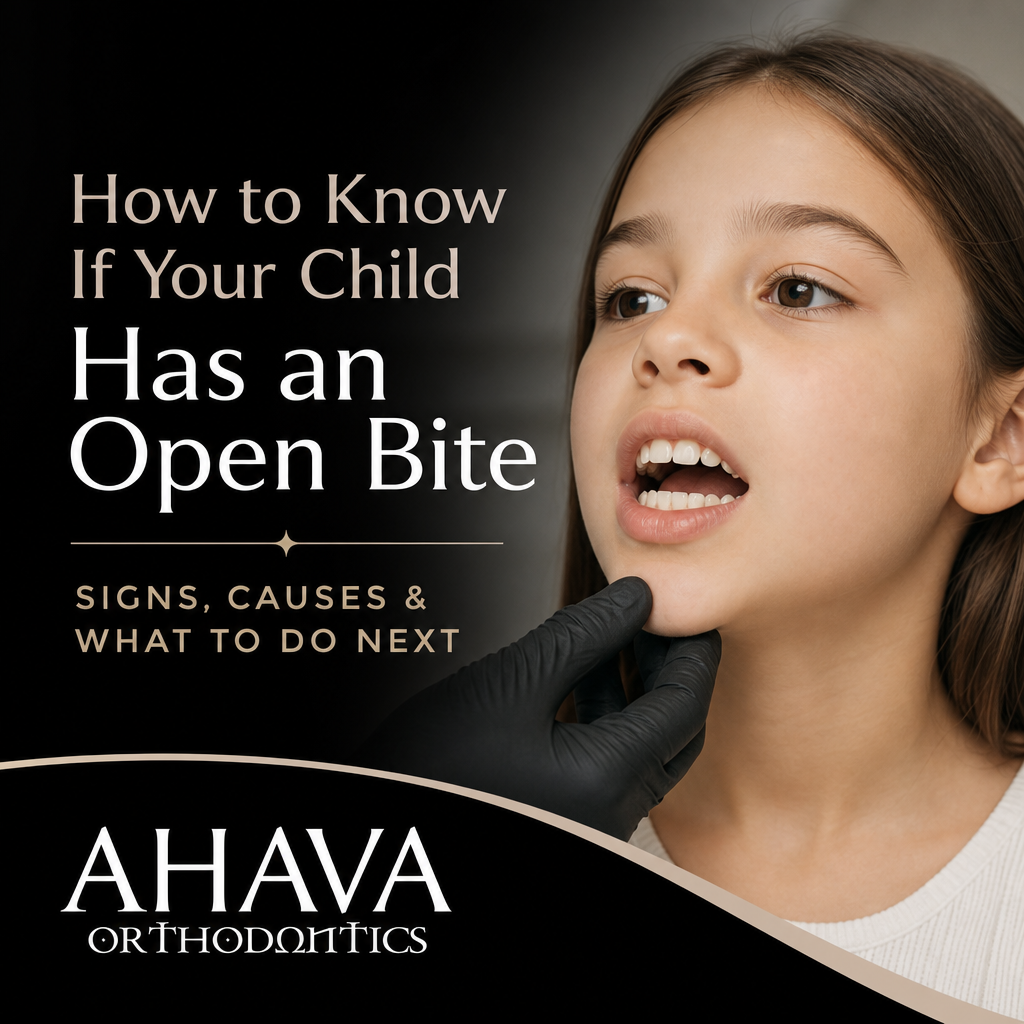
How to Know If Your Child Has an Open Bite
Does your child’s front teeth stay apart when they bite down? Ahava Orthodontics helps families recognize open bite in children early and choose personalized orthodontic care for healthier bite alignment and confident smiles. An open bite happens when the upper and lower teeth do not touch properly when the mouth is closed, most often affecting the front teeth. If your child has trouble biting into foods, speaks with a slight lisp, or seems to have a gap between the top and bottom front teeth, it may be time for an orthodontic evaluation. At Ahava Orthodontics, we help parents understand what they are seeing, what may be causing it, and which treatment options can support long-term oral health. Signs of an [...]
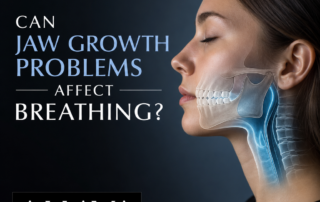
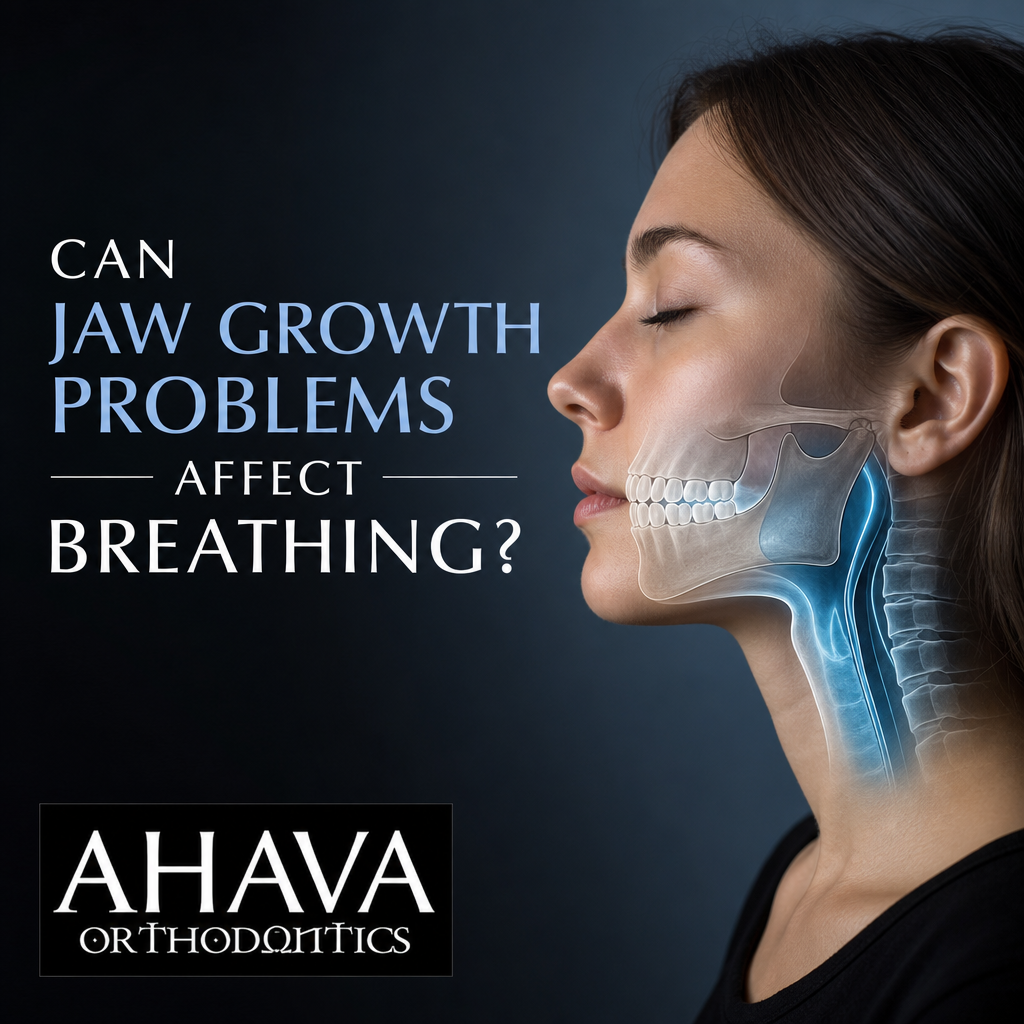
Can Jaw Growth Problems Affect Breathing
Can jaw growth problems affect breathing? Yes—when the jaws, palate, or bite do not develop in balance, Ahava Orthodontics can evaluate how orthodontic treatment may support healthier breathing, better bite alignment, and greater smile confidence. If your child snores, breathes through their mouth, wakes up tired, or has a noticeably narrow smile, it is natural to wonder whether jaw development could be part of the issue. Jaw growth affects more than how teeth fit together. It can also influence tongue posture, airway space, facial development, and sleep quality. At Ahava Orthodontics, we look closely at how the jaws, teeth, and bite work together so patients can receive personalized care that supports both function and appearance. Can jaw growth problems affect [...]
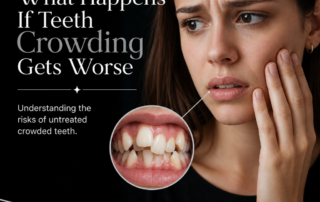
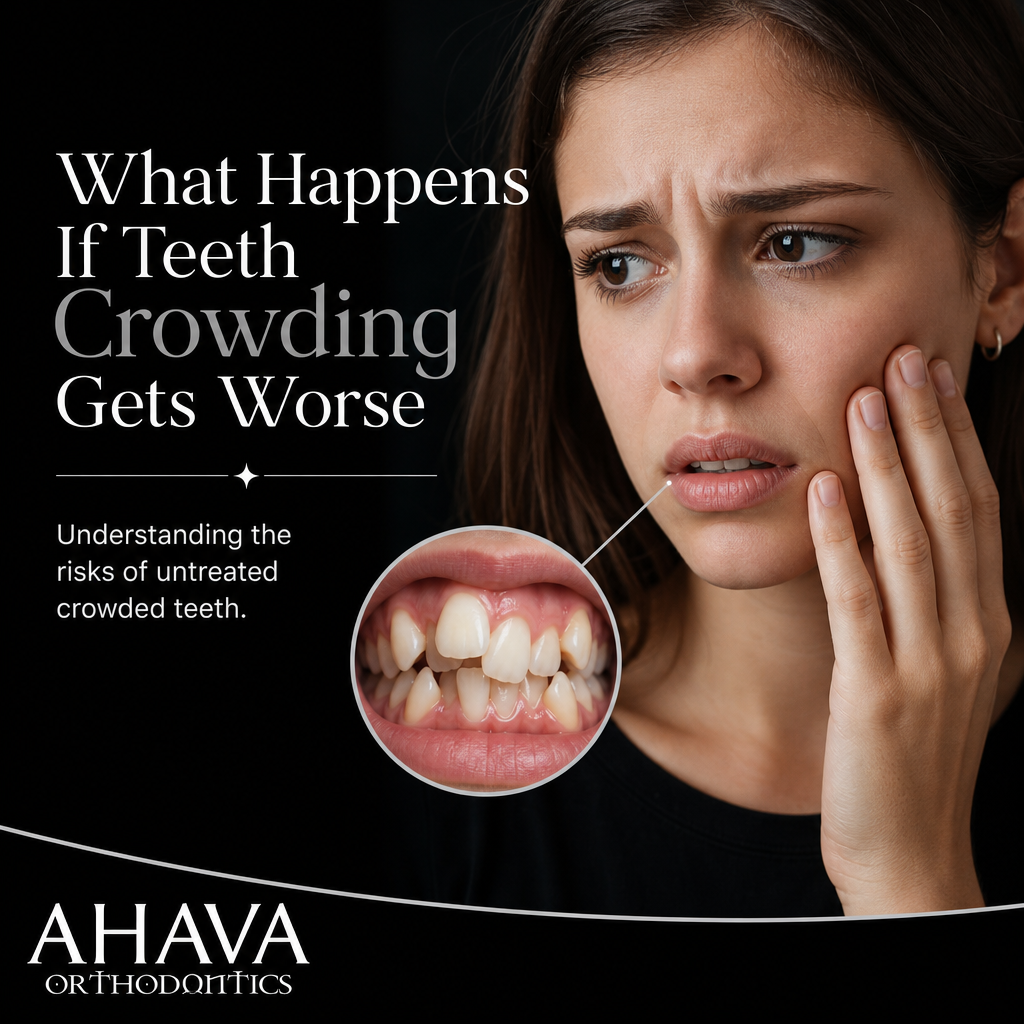
What Happens If Teeth Crowding Gets Worse
Are you worried about what happens if teeth crowding gets worse and whether Ahava Orthodontics can help with braces, Invisalign, and personalized orthodontic treatment for a healthier, more confident smile? When teeth crowding becomes more noticeable, it can affect far more than the way your smile looks. Crowded, overlapping, or rotated teeth may become harder to clean, more likely to wear unevenly, and more difficult to keep stable over time. For children, teens, and adults, early orthodontic guidance can help prevent crowding from turning into a more complex bite or oral health concern. What worsening teeth crowding can mean for your smile Teeth crowding happens when there is not enough space in the mouth for teeth to line up properly. [...]
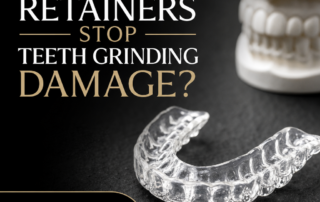
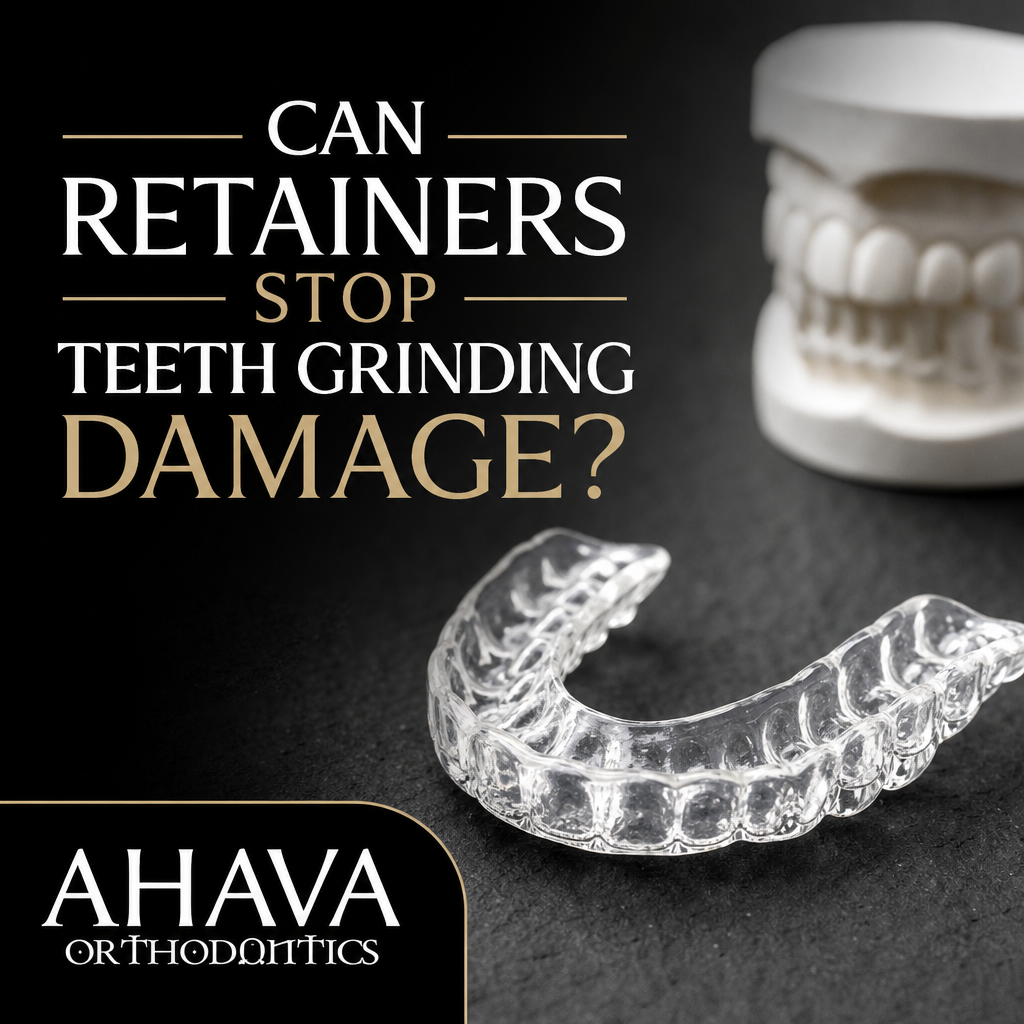
Can Retainers Stop Teeth Grinding Damage
Can retainers stop teeth grinding damage and help Ahava Orthodontics protect your bite, smile confidence, and long-term oral health? Retainers can sometimes help protect teeth from grinding-related wear, but they are not always the right solution by themselves. Teeth grinding, also called bruxism, can damage enamel, strain the jaw, and affect the way teeth fit together. At Ahava Orthodontics, we evaluate your bite, tooth position, retainer type, and symptoms to help determine whether a retainer, night guard, Invisalign, braces, or another orthodontic approach is the best way to protect your smile. Can retainers help with teeth grinding damage? A retainer may provide a physical barrier between the upper and lower teeth, which can reduce some surface wear caused by nighttime [...]
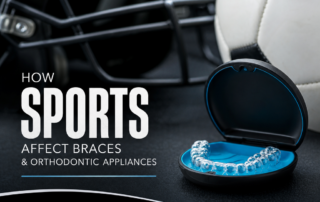
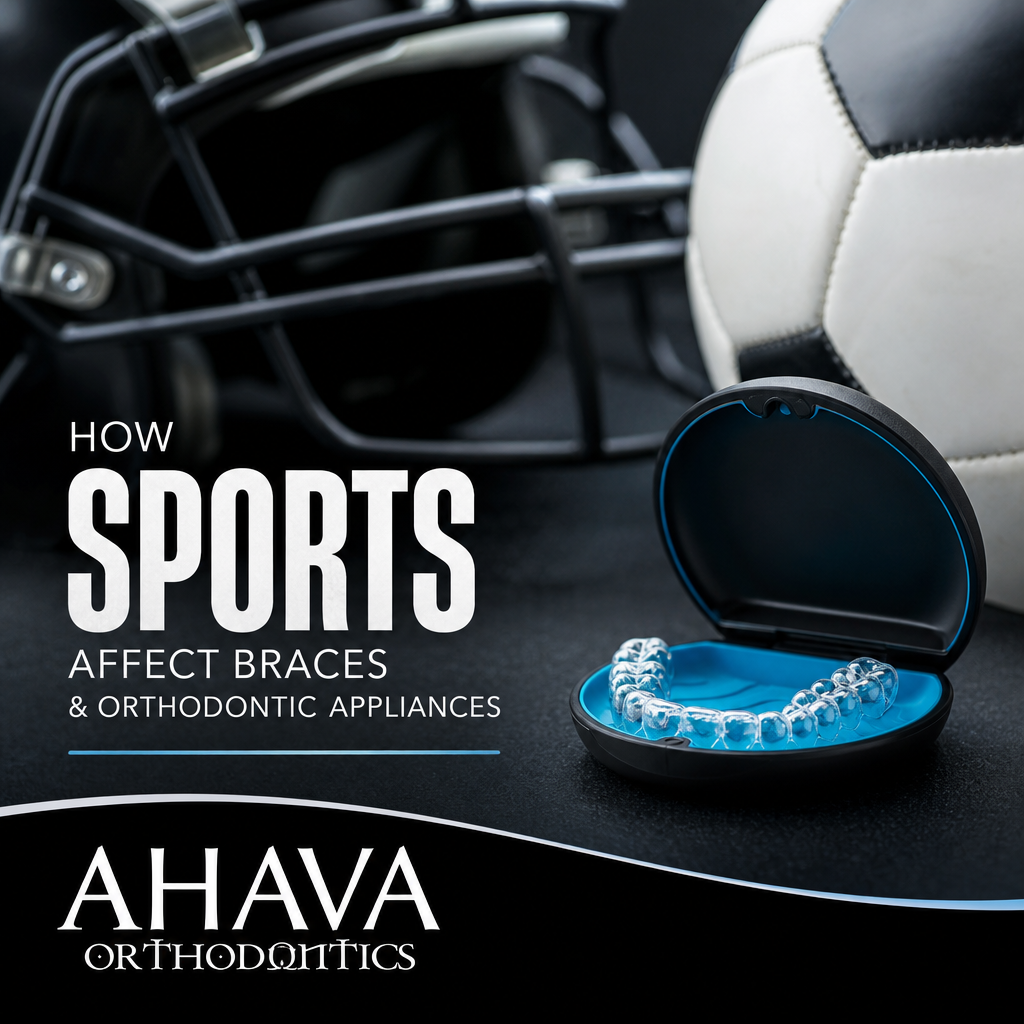
How Sports Affect Braces and Orthodontic Appliances
Worried about how sports affect braces and orthodontic appliances while your teen plays, or while you stay active as an adult? Ahava Orthodontics helps protect orthodontic treatment with personalized guidance, modern appliances, and comfortable solutions for healthier, more confident smiles. Sports and orthodontic care can work well together with the right precautions. Whether the activity is soccer, basketball, football, wrestling, baseball, cheer, lacrosse, or martial arts, patients with braces, Invisalign, retainers, expanders, or other appliances need to protect their teeth and treatment progress. At Ahava Orthodontics, we help teens and adults stay active while reducing the risk of broken brackets, wire irritation, appliance damage, and mouth injuries. How contact sports affect braces and orthodontic treatment Contact sports increase the chance [...]
Why Some Children Develop Crossbites
Concerned about crossbites in children and wondering if early orthodontic treatment could help your child’s bite alignment, smile confidence, and long-term oral health? Ahava Orthodontics provides personalized orthodontic care to identify crossbites early and guide growing smiles with comfort and precision. A crossbite happens when the upper and lower teeth do not line up properly when a child bites down. Some children have a crossbite affecting only one or two teeth, while others have a wider bite imbalance involving the back teeth, front teeth, or jaw growth. Understanding what causes crossbites in children can help parents know when to schedule an orthodontic consultation and what treatment options may support healthy development. What causes crossbites in children during jaw and tooth [...]