What Causes Uneven Smiles in Children
Wondering what causes uneven smiles in children and whether orthodontic treatment can help your child develop a healthier, more confident smile?
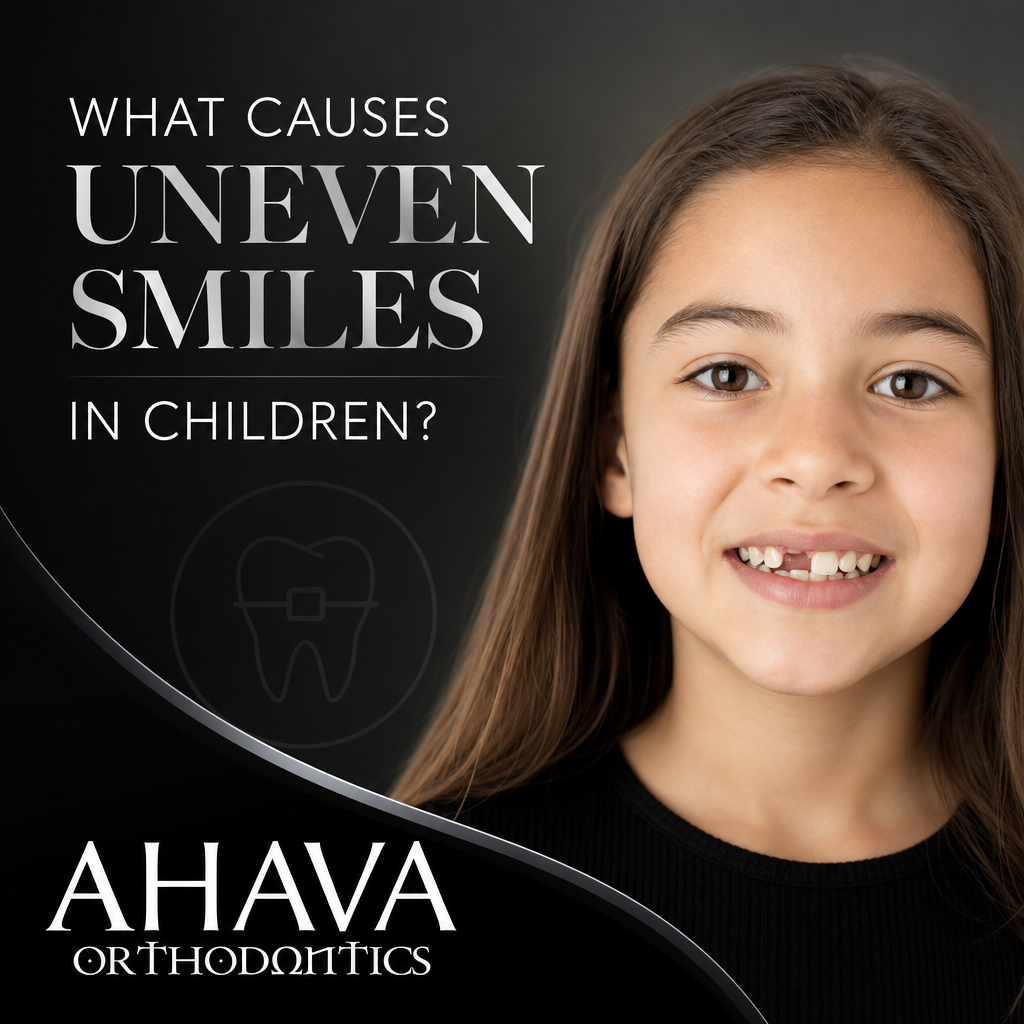
An uneven smile in a child can happen for many reasons, including tooth crowding, jaw growth differences, bite problems, habits like thumb sucking, early or late tooth loss, or teeth coming in at unusual angles. Some smile changes are part of normal development, but others may signal that your child could benefit from an orthodontic evaluation. At Ahava Orthodontics, we help parents understand what is happening, what may change naturally, and when personalized orthodontic treatment can support better smile balance, bite function, and long-term oral health.
Common Causes of Uneven Smiles in Children
One of the most common causes of uneven smiles in children is tooth crowding. When there is not enough room in the jaw for adult teeth to come in properly, teeth may rotate, overlap, shift forward, or appear higher or lower than neighboring teeth. This can make the smile look uneven even before all permanent teeth have erupted.
Spacing can also create an uneven appearance. Some children naturally have gaps between baby teeth or adult teeth, while others develop spaces because of missing teeth, small teeth, or differences in jaw size. In many cases, spacing can be monitored as the child grows, but larger or unusual spaces may need orthodontic guidance.
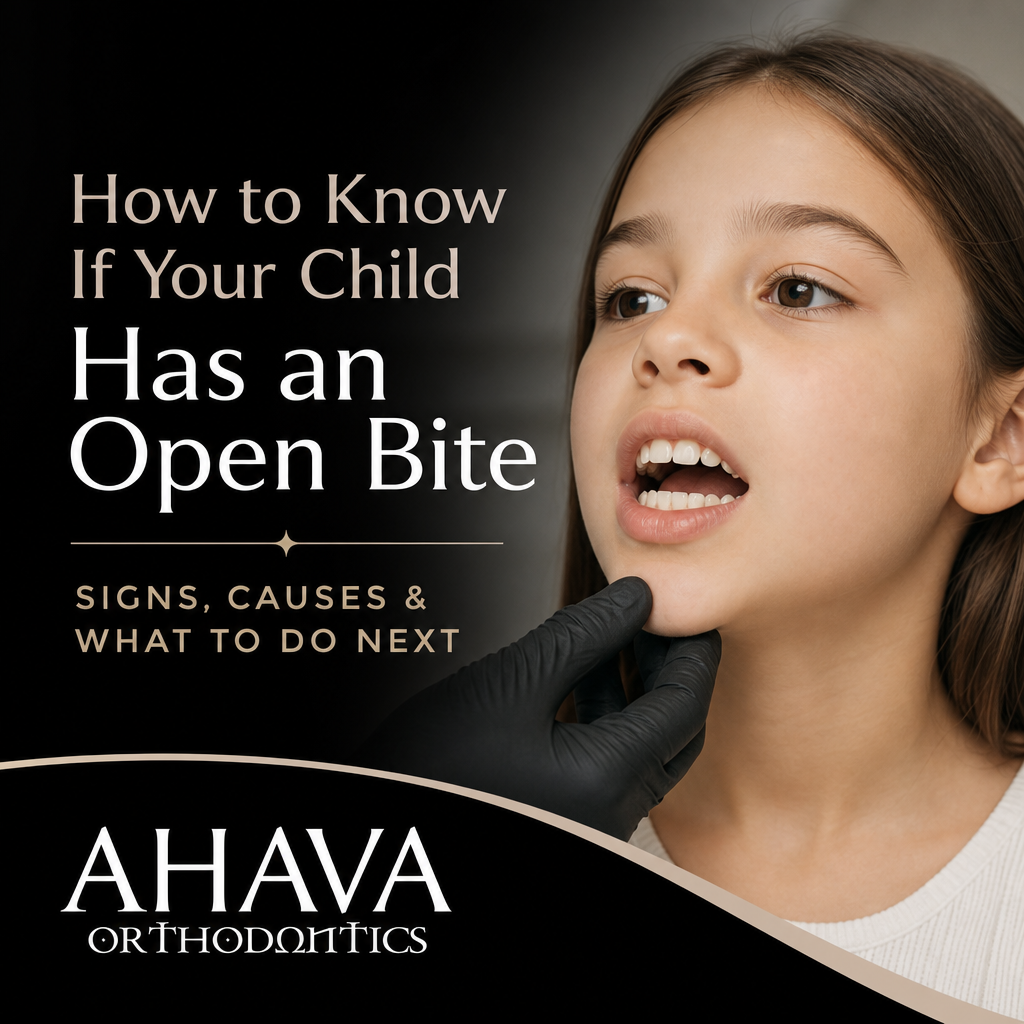
Another common factor is the way the upper and lower teeth fit together. If a child has an overbite, underbite, crossbite, or open bite, the smile may look slanted, narrow, crowded, or off balance. These bite concerns are not just cosmetic. They can affect chewing, tooth wear, speech patterns, and jaw development over time.
How Jaw Growth and Bite Alignment Affect a Child’s Smile
A child’s smile is shaped by more than the teeth alone. The upper and lower jaws play a major role in facial balance and tooth position. If one jaw grows faster, slower, narrower, or wider than expected, the teeth may not line up evenly. This can make the smile appear asymmetrical, even if the teeth themselves are healthy.
Crossbites are a common example of a jaw and bite alignment issue that can contribute to an uneven smile. A crossbite happens when some upper teeth sit inside the lower teeth instead of outside them. Children with crossbites may shift their jaw to one side when biting down, which can create an uneven bite pattern and affect facial development if left untreated.
Early orthodontic evaluations are helpful because jaw growth is easier to guide while a child is still developing. Not every child needs early treatment, but when growth concerns are present, timely care can make future treatment simpler and more predictable.
Baby Teeth, Permanent Teeth, and Eruption Problems
The transition from baby teeth to permanent teeth can temporarily make a child’s smile look uneven. Adult teeth are often larger than baby teeth, and they may appear crooked at first as they erupt into the mouth. Some mild irregularity can improve naturally as the jaw grows and more teeth come in.
However, eruption problems can also cause uneven smiles. A permanent tooth may come in too high, too low, at an angle, or in the wrong location. Sometimes a baby tooth stays in place longer than expected, blocking the adult tooth. In other cases, a baby tooth may be lost too early, allowing surrounding teeth to drift into the open space.
These changes can affect the path of future tooth eruption. An orthodontic consultation can help determine whether your child’s uneven smile is a normal stage of development or a sign that space management, braces, or another orthodontic approach may be beneficial.
Childhood Habits That Can Lead to Crooked Teeth or Uneven Smiles
Oral habits can influence tooth position and jaw development, especially when they continue beyond the toddler years. Thumb sucking, finger sucking, prolonged pacifier use, tongue thrusting, and mouth breathing may place repeated pressure on the teeth and jaws. Over time, this pressure can contribute to an open bite, protruding front teeth, narrow arches, or changes in smile symmetry.
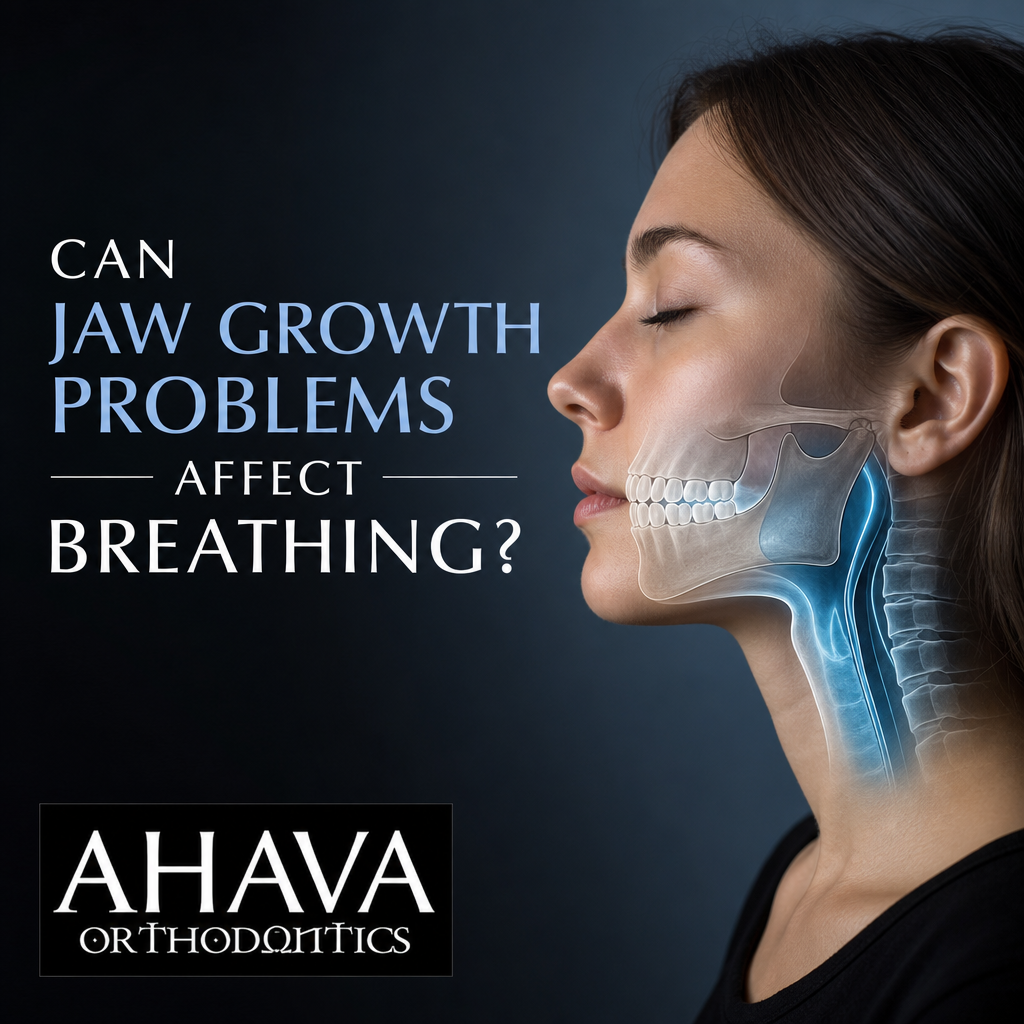
Tongue posture can also matter. If the tongue rests low in the mouth or pushes against the front teeth during swallowing, it may affect the way teeth line up. Mouth breathing may be linked with narrow upper jaw development, which can contribute to crowding or crossbite concerns.
Parents do not need to feel blamed or alarmed if these habits are present. Many children develop habits naturally, and orthodontists are trained to evaluate their impact. At Ahava Orthodontics, we focus on supportive guidance, practical recommendations, and treatment timing that fits your child’s needs.
When Braces or Invisalign Teen May Help an Uneven Smile
For many children and teens, braces are an effective option for correcting uneven smiles caused by crowding, spacing, tooth rotation, or bite problems. Braces use gentle, controlled pressure to move teeth into healthier positions over time. They can also be used with other orthodontic appliances when jaw growth or bite correction is part of the treatment plan.
For some older teens, Invisalign Teen may be an option. Clear aligners can address many mild to moderate alignment concerns while offering a more discreet appearance. Since aligners must be worn consistently, they work best for responsible teens who can follow daily wear instructions.
Treatment is always personalized. Some children only need monitoring, some benefit from early phase orthodontics, and others may begin comprehensive treatment in the teen years. The right recommendation depends on your child’s age, growth pattern, bite, tooth development, and smile goals.
Signs Your Child May Need an Orthodontic Consultation
Parents often notice uneven teeth first, but other signs can point to orthodontic concerns as well. The American Association of Orthodontists recommends that children have an orthodontic checkup around age 7, even if treatment is not needed right away. At this age, an orthodontist can assess jaw growth, tooth eruption, and bite development.
Helpful signs to watch for include:
- Crowded, overlapping, or blocked-out teeth
- Baby teeth lost much earlier or later than expected
- Difficulty biting or chewing comfortably
- Teeth that do not meet evenly
- A jaw that shifts to one side when closing
- Mouth breathing or ongoing thumb sucking
- Upper or lower front teeth that stick out noticeably
- Speech concerns related to tooth or tongue position
An orthodontic consultation does not mean your child will need braces immediately. It simply gives you clear information. Many children are placed on a growth observation plan so the orthodontist can recommend treatment only when the timing is right.
What Parents Want to Know About Comfort, Appearance, Cost, and Results
Parents want to know what treatment will feel like, how it will affect daily life, how long it may take, and what the investment will look like. Orthodontic care is usually gradual, with appointments scheduled to monitor progress and make adjustments. Some soreness can happen after braces are placed or adjusted, or when aligners are changed, but most children adapt well with proper guidance.
Appearance is another common concern, especially for teens. Modern braces are smaller and more comfortable than many parents remember from their own childhood. Some patients may also have clear aligner options, depending on their orthodontic needs and level of responsibility. Ahava Orthodontics takes time to explain each option so families can feel confident choosing a path that fits both clinical needs and lifestyle.
Treatment timelines vary. A simple alignment concern may take less time than a complex bite issue, but the goal is always long-term stability, not rushed results. Cost also depends on the type and complexity of care. During your visit, our team can discuss flexible treatment options, payment considerations, and what to expect before starting.
If you’re looking for Help With What Causes Uneven Smiles in Children
If you’re looking for answers about what causes uneven smiles in children, Ahava Orthodontics is here to help your family feel informed and supported. Our team evaluates tooth position, jaw growth, bite alignment, habits, and eruption patterns to understand the full picture behind your child’s smile.
We provide personalized orthodontic care in a professional, welcoming office environment with modern technology and a focus on comfort. Whether your child needs monitoring, braces, Invisalign Teen, retainers, or a customized treatment plan, we will guide you through each step with clarity and care.
Scheduling an orthodontic consultation is the best way to learn what is normal, what may need attention, and what options are available. At Ahava Orthodontics, our goal is to help children and teens build healthier smiles, stronger bite function, and lasting confidence.