What Causes Teeth Grinding in Children
Have you heard your child grinding their teeth at night and wondered if it’s something they’ll simply outgrow—or if it could be affecting their teeth and jaw development? Teeth grinding in children, also called bruxism, is more common than many parents realize. While some mild grinding may fade over time, frequent grinding can sometimes signal underlying bite, airway, or jaw development concerns that should not be ignored.
What Is Teeth Grinding in Children?
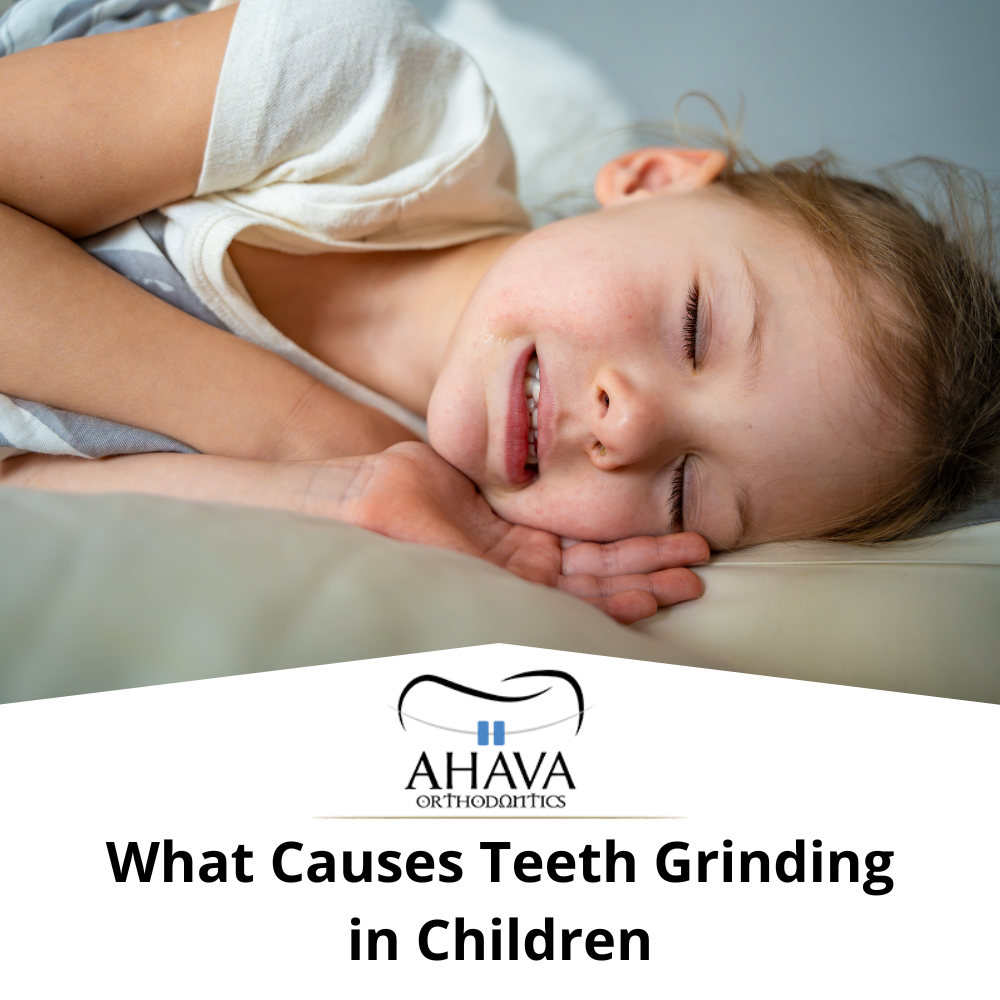
Teeth grinding, or bruxism, happens when children clench or grind their teeth together, often while sleeping. Some children grind occasionally, while others do it consistently enough to affect their oral health and jaw function.
Parents may notice:
- Grinding noises during sleep
- Jaw soreness in the morning
- Worn or flattened teeth
- Complaints of headaches or facial discomfort
Many families seek pediatric orthodontic care in Fort Worth after noticing repeated nighttime grinding or bite-related symptoms.
Common Causes of Teeth Grinding in Kids
There is not always one single cause of teeth grinding. In many cases, it is connected to a combination of oral habits, jaw alignment, airway concerns, or developmental changes.
Common causes include:
- Bite misalignment
- Stress or tension
- Mouth breathing
- Sleep disturbances
- Jaw development issues
Understanding the root cause is important because treatment should focus on correcting the underlying issue—not just protecting the teeth.
How Bite Problems Can Lead to Bruxism
Children with misaligned teeth or jaws may grind because the bite does not fit together properly. When the teeth are uneven or the jaw is strained, the muscles may compensate during sleep by clenching or grinding.
This can occur with:
- Overbite or underbite
- Crossbite
- Crowded teeth
- Uneven jaw growth
This is one reason many parents visit a Fort Worth orthodontist for kids when grinding is combined with alignment concerns.
Mouth Breathing and Teeth Grinding Connection
One of the most overlooked causes of teeth grinding is mouth breathing. Children who struggle to breathe comfortably through their noses may grind their teeth while sleeping due to airway strain or disrupted sleep patterns.
Signs often linked to airway-related grinding include:
- Snoring
- Open-mouth sleeping
- Restless sleep
- Daytime fatigue
Because mouth breathing also affects jaw development, children with bruxism often benefit from early orthodontic evaluation and airway-focused treatment.
How Jaw Development Affects Teeth Grinding
The jaw is still developing throughout childhood, and improper growth patterns can place extra stress on the bite and facial muscles.
When the jaw develops unevenly or too narrowly, children may experience:
- Increased grinding during sleep
- Jaw tension or discomfort
- Crowded or crooked teeth
- Bite imbalance
Early orthodontic care helps guide healthier jaw growth and reduce the strain contributing to grinding.
Can Stress Cause Teeth Grinding in Children?
Yes—stress and anxiety can sometimes contribute to teeth grinding, especially in school-aged children. Emotional tension may increase muscle clenching during sleep.
Common triggers may include:
- Changes in routine
- School stress
- Sleep disruptions
- Emotional tension or nervous habits
However, even when stress plays a role, it is still important to rule out orthodontic or airway-related causes.
The Impact of Teeth Grinding on Oral Health
Occasional grinding may not cause major issues, but frequent bruxism can eventually affect both the teeth and jaw.
Potential effects include:
- Worn or chipped teeth
- Tooth sensitivity
- Jaw pain or TMJ discomfort
- Headaches
- Increased tooth wear over time
The earlier these concerns are addressed, the easier it is to prevent long-term complications.
MyoBrace and Habit-Based Orthodontic Treatment
Many children who grind their teeth also struggle with oral habits like mouth breathing or poor tongue posture. MyoBrace treatment in Fort Worth focuses on correcting these underlying habits while guiding healthy jaw development.
MyoBrace helps:
- Encourage nasal breathing
- Improve tongue posture
- Support proper jaw growth
- Reduce muscle strain affecting the bite
This approach focuses on treating the cause instead of simply masking symptoms.
Early Orthodontic Treatment for Teeth Grinding
An early orthodontic evaluation can help determine whether grinding is related to bite alignment or jaw development issues.
Early orthodontic treatment may include:
- Palatal expanders
- Bite correction appliances
- Habit correction treatment
- Monitoring jaw growth and tooth eruption
Treating these issues during growth often helps reduce grinding naturally over time.
Signs Your Child May Need an Orthodontic Evaluation
Parents should schedule an evaluation if grinding is frequent or combined with other symptoms.
Watch for:
- Persistent nighttime grinding
- Jaw soreness or headaches
- Crowded or crooked teeth
- Snoring or mouth breathing
- Difficulty chewing comfortably
These signs may indicate underlying orthodontic or airway-related concerns that should be evaluated early.
Why Early Monitoring Matters for Growing Smiles
Children’s jaws and teeth are constantly changing, which makes early monitoring especially valuable. The earlier bite or airway concerns are identified, the easier they are often to correct.
Benefits of early care include:
- Healthier jaw development
- Reduced tooth wear
- Improved breathing and sleep quality
- Less complex orthodontic treatment later
This proactive approach supports both oral health and overall development.
If Your Child Is Grinding Their Teeth, We’re Here to Help
If you’re concerned about teeth grinding in children, early evaluation can provide important answers about what may be causing it. Whether the issue is related to bite alignment, mouth breathing, jaw development, or oral habits, identifying the root cause early helps protect your child’s long-term oral health.
At Ahava Orthodontics in Fort Worth, we provide personalized early orthodontic treatment, MyoBrace therapy, and growth-focused care designed to support healthy smiles from the beginning. Our goal is not just straighter teeth—but healthier jaw function, improved breathing, and lasting comfort.
Schedule your free consultation today and learn how early orthodontic care can help protect your child’s smile and overall development for years to come.