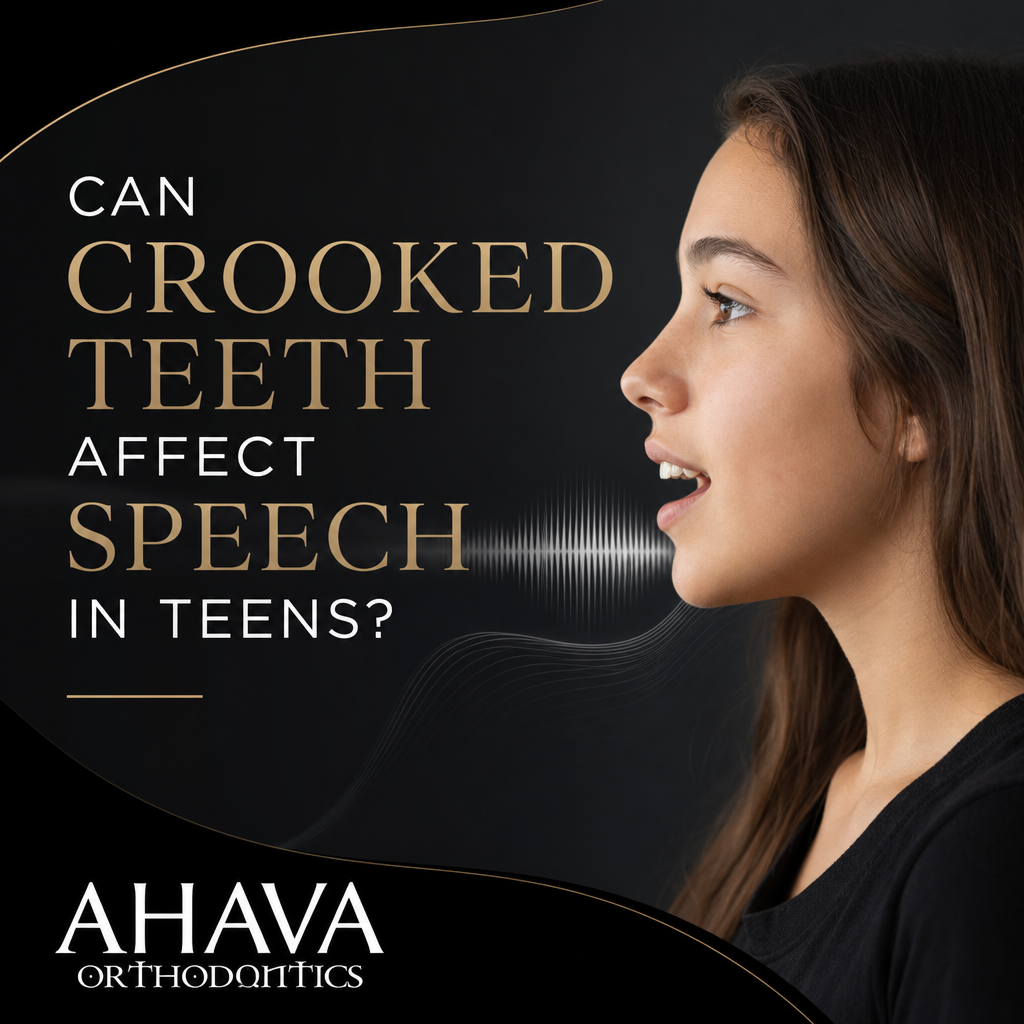
How Pediatric Orthodontics Helps with Speech Development

Ahava Orthodontics helps Fort Worth families understand how pediatric orthodontics supports speech development in children. The team explains how tooth alignment, jaw growth, and tongue posture all affect speech clarity—and how early orthodontic care can make a meaningful difference. Speech issues are often linked to how a child’s mouth develops. While speech therapy is sometimes needed, orthodontic care can play an important role by correcting the physical structures that support clear speech. Here’s how pediatric orthodontics helps. How Teeth and Jaws Affect Speech Clear speech depends on proper placement of the tongue, lips, and teeth. When teeth are crowded, spaced too far apart, or the jaws don’t align correctly, certain sounds become harder to form. Common speech sounds affected by alignment issues include: “S” and “Z” (often sound like a lisp) “T,” “D,” and “N” “Sh,” “Ch,” and “Th” A balanced bite allows the tongue to rest and move correctly. When the bite is [...]

2026-01-14T22:34:35+00:00By |

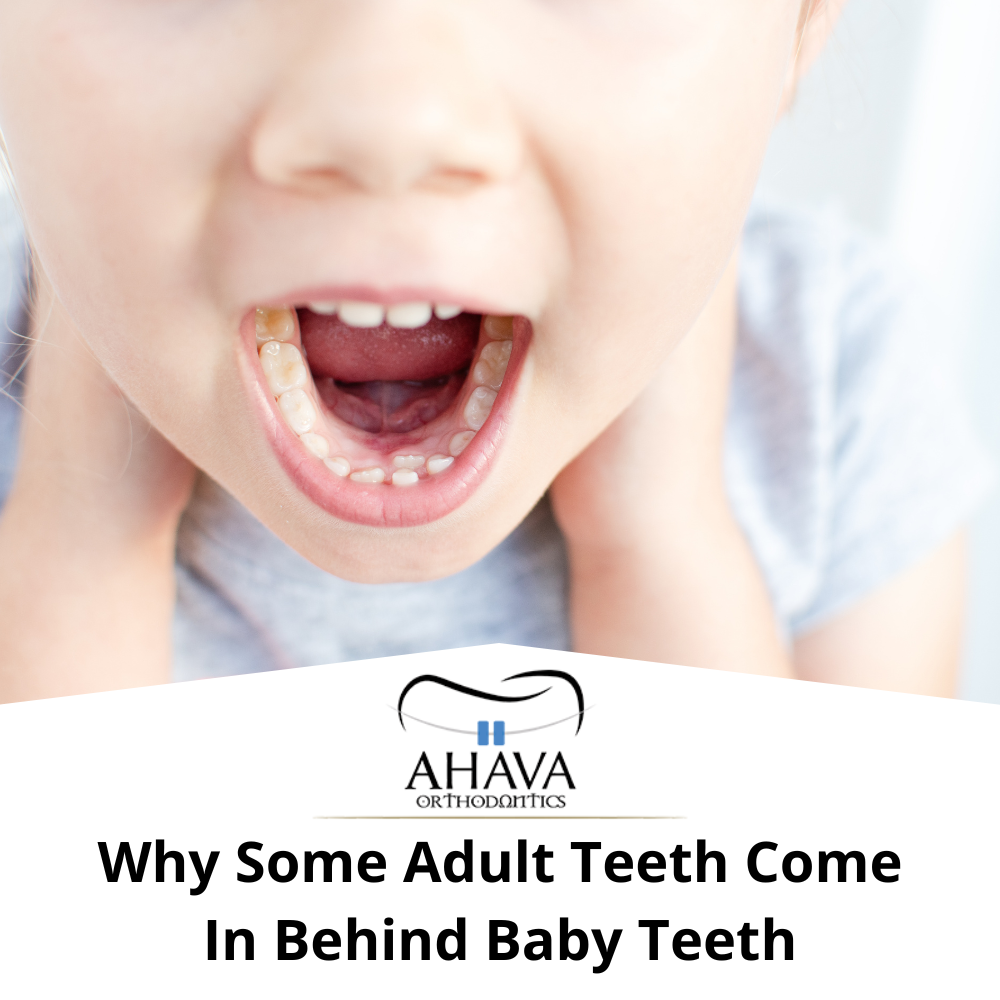
Do Baby Teeth Alignment Issues Matter Later?

Ahava Orthodontics helps Fort Worth families understand whether baby teeth alignment issues can affect a child’s future smile. The team explains what’s normal, what’s not, and how early orthodontic guidance can prevent bigger problems as permanent teeth come in. Many parents hear that baby teeth “don’t matter because they fall out anyway.” While it’s true baby teeth are temporary, their alignment plays an important role in how the jaws grow and how adult teeth erupt. Here’s what parents should know. Why Baby Teeth Matter More Than You Think Baby teeth serve as placeholders for permanent teeth. They guide adult teeth into position and help shape the jaws during early growth. When baby teeth are crowded, tipped, or spaced unevenly, they can affect how adult teeth come in later. Alignment issues in baby teeth may contribute to: Crowding of adult teeth Bite problems like crossbite or overbite Jaw growth imbalance Impacted permanent teeth Early patterns [...]

2026-01-14T22:34:29+00:00By |

When Should My Child See an Orthodontist?

Ahava Orthodontics helps Fort Worth families understand when a child should see an orthodontist and how early evaluations support healthy tooth and jaw development. The team explains what age is recommended, what signs parents should watch for, and how early guidance can prevent more complex treatment later. Many parents assume orthodontic care starts in the teen years. In reality, timing matters more than age alone. Seeing an orthodontist early does not always mean braces right away, but it does provide clarity and peace of mind. The Recommended Age for a First Orthodontic Visit The American Association of Orthodontists recommends that children see an orthodontist by age 7. At this stage, kids typically have a mix of baby teeth and adult teeth, and jaw growth is actively developing. This early visit allows orthodontists to: Evaluate how the jaws are growing Check spacing for incoming adult teeth Identify early bite issues Monitor habits that affect alignment [...]

2026-01-14T22:34:23+00:00By |

What’s the Difference Between Retainers and Aligners?

Ahava Orthodontics helps Fort Worth families understand the key differences between retainers and aligners and when each one is used. While they may look similar at first glance, these orthodontic tools serve very different purposes. Knowing the difference helps parents and patients follow treatment correctly and protect long-term results. Many families hear the terms “retainer” and “aligner” used interchangeably, but they are not the same. One moves teeth. The other holds them in place. Here’s how to tell them apart and why both are important at different stages of orthodontic care. What Are Aligners? Aligners are orthodontic appliances designed to move teeth. They are part of active treatment and are used to straighten teeth, close gaps, and correct mild to moderate bite issues. Clear aligners, such as Invisalign, are custom-made trays that fit snugly over the teeth. Patients switch to a new set every one to two weeks. Each set applies gentle pressure that gradually shifts teeth [...]

2026-01-14T22:34:18+00:00By |

What Happens After Braces Come Off?

Ahava Orthodontics helps Fort Worth families understand what happens after braces come off and how to protect a child’s new smile long-term. The team explains the next steps, what changes to expect, and how retainers play a key role in keeping results stable. The day braces come off is exciting. Teeth look straighter, smiles feel more confident, and kids are eager to move on. But orthodontic care doesn’t truly end when brackets are removed. What happens next is just as important as the braces themselves. The Big Day: Braces Removal When braces are removed, the orthodontist gently takes off the brackets and cleans away adhesive. This process is quick and painless. Teeth may feel smooth or slightly sensitive for a short time, which is normal. Parents and kids often notice how different the teeth feel without brackets. Eating and brushing are easier, and many children can’t stop smiling. This appointment usually ends with digital scans or impressions [...]

2026-01-14T22:34:13+00:00By |

Is My Child’s Bite Normal? What to Watch For

Ahava Orthodontics helps Fort Worth families understand whether a child’s bite is developing normally and what early signs may point to future orthodontic concerns. The team explains how bites form, which patterns are common, and what parents should watch for as their child grows. Many parents wonder if their child’s bite is “normal,” especially when baby teeth fall out and adult teeth begin to appear. A developing bite can look uneven or crowded for a short time, but some changes signal a need for early orthodontic evaluation. Here’s how to understand what’s typical and what deserves attention. What a Healthy Bite Looks Like A healthy bite allows the upper teeth to sit slightly in front of the lower teeth when the mouth is closed. The back teeth should meet evenly on both sides, and the jaws should open and close without shifting. A balanced bite supports clear speech, comfortable chewing, and even wear on the teeth. It [...]

2025-11-29T18:21:00+00:00By |

When Should My Child See an Orthodontist?

Ahava Orthodontics helps Fort Worth families understand when a child should see an orthodontist and what early evaluations can reveal about future tooth and jaw development. The team explains the best age for a first visit, what happens during the exam, and how early guidance saves time and stress later. Many parents wait until all adult teeth come in before scheduling an orthodontic appointment. But early screenings catch problems sooner and often reduce the need for complex treatment in the teen years. Here’s a clear guide to timing your child’s first orthodontic visit. The Best Age for a First Orthodontic Visit The American Association of Orthodontists recommends that all children see an orthodontist by age 7. At this age, kids still have a mix of baby and adult teeth, and their jaws are actively growing. This early window lets orthodontists spot signs of developing crowding, bite problems, or jaw misalignment. Most kids will not need treatment right [...]

2025-11-29T18:21:05+00:00By |

How Tongue Posture Can Impact Tooth Alignment

Ahava Orthodontics helps Fort Worth families understand how tongue posture impacts tooth alignment and why early awareness matters for growing smiles. The team explains how the tongue shapes the jaws, what poor posture looks like, and how orthodontic treatment can help correct developing issues. Many parents are surprised to learn that tongue position plays a major role in a child’s bite. When the tongue rests in the wrong spot, it can influence jaw width, tooth spacing, and even breathing habits. Here’s what families need to know. What Is Tongue Posture? Tongue posture refers to where the tongue rests when a child is not speaking or eating. Healthy tongue posture means the tongue sits gently against the roof of the mouth, just behind the front teeth. This position supports natural jaw growth and proper tooth alignment. When the tongue sits too low, pushes forward, or rests between the teeth, it can interrupt normal development. Over time, this can [...]

2025-11-29T18:21:09+00:00By |

Can Braces Fix Jaw Alignment Problems Too?

Ahava Orthodontics helps Fort Worth families understand whether braces can fix jaw alignment problems and how orthodontic treatment supports healthy growth in children and teens. The team explains which jaw issues braces can help, when other appliances are needed, and what parents should expect during evaluation. Jaw alignment problems are common. Some kids have bites that shift to one side, while others struggle with overbites, underbites, or crossbites. Many parents wonder if braces alone can correct these issues. The answer depends on the child’s age, growth stage, and the severity of the bite problem. What Braces Can Fix on Their Own Braces are excellent for straightening teeth, and in some cases, they can also improve mild jaw alignment issues. When the problem is caused mostly by the teeth, braces can guide them into better positions so the bite fits more comfortably. For example, mild overbites, minor underbites, and small side shifts can sometimes improve [...]

2025-11-29T18:21:15+00:00By |

How Retainers Keep Your Child’s Smile Straight

Ahava Orthodontics helps Fort Worth families understand how retainers keep a child’s smile straight after braces or aligners. The team explains why retainers are essential, how long kids need them, and what parents can expect during this important final stage of treatment. Many parents think orthodontic care ends when braces come off, but the truth is that retainers protect all the progress that’s been made. Here’s how retainers work and why they matter so much for growing smiles. Why Retainers Matter After Braces Once braces or Invisalign finish straightening the teeth, the bone and gums need time to adjust. Teeth naturally want to shift back toward their old positions. Retainers prevent this movement by holding the teeth in place until the mouth stabilizes. Children and teens are still growing, and their bite can change quickly. Without retainers, teeth may drift or crowd again, undoing months of hard work. That’s why orthodontists consider the retainer phase just as [...]

2025-11-29T18:21:27+00:00By |