Ahava Orthodontics helps Fort Worth families understand when a child should see an orthodontist and how early evaluations support healthy tooth and jaw development. The team explains what age is recommended, what signs parents should watch for, and how early guidance can prevent more complex treatment later.
Many parents assume orthodontic care starts in the teen years. In reality, timing matters more than age alone. Seeing an orthodontist early does not always mean braces right away, but it does provide clarity and peace of mind.
The Recommended Age for a First Orthodontic Visit
The American Association of Orthodontists recommends that children see an orthodontist by age 7. At this stage, kids typically have a mix of baby teeth and adult teeth, and jaw growth is actively developing.
This early visit allows orthodontists to:
-
Evaluate how the jaws are growing
-
Check spacing for incoming adult teeth
-
Identify early bite issues
-
Monitor habits that affect alignment
Most children do not start treatment at age 7. Instead, the orthodontist establishes a baseline and monitors growth over time. Learn more about this phase on our Early Treatment page.
Why Early Orthodontic Evaluations Matter
Early orthodontic visits help identify problems while they are easier to guide. A child’s jaw is still flexible during early growth, which makes correction simpler and more predictable.
Early monitoring can:
-
Reduce crowding before it worsens
-
Guide jaw growth into better alignment
-
Prevent teeth from becoming impacted
-
Improve bite balance and chewing
-
Lower the risk of future extractions
Catching issues early often shortens or simplifies later treatment.
Signs Your Child Should See an Orthodontist Sooner
While age 7 is the general guideline, some children benefit from an earlier visit. Parents should consider scheduling an evaluation if they notice:
-
Teeth that overlap or erupt out of place
-
A bite that doesn’t line up evenly
-
Jaw shifting when chewing
-
Difficulty biting or chewing food
-
Mouth breathing or frequent snoring
-
Thumb-sucking beyond age 4
-
Early or delayed loss of baby teeth
These signs don’t always mean immediate treatment is needed, but they do signal that professional guidance would help.
What Happens During the First Orthodontic Visit
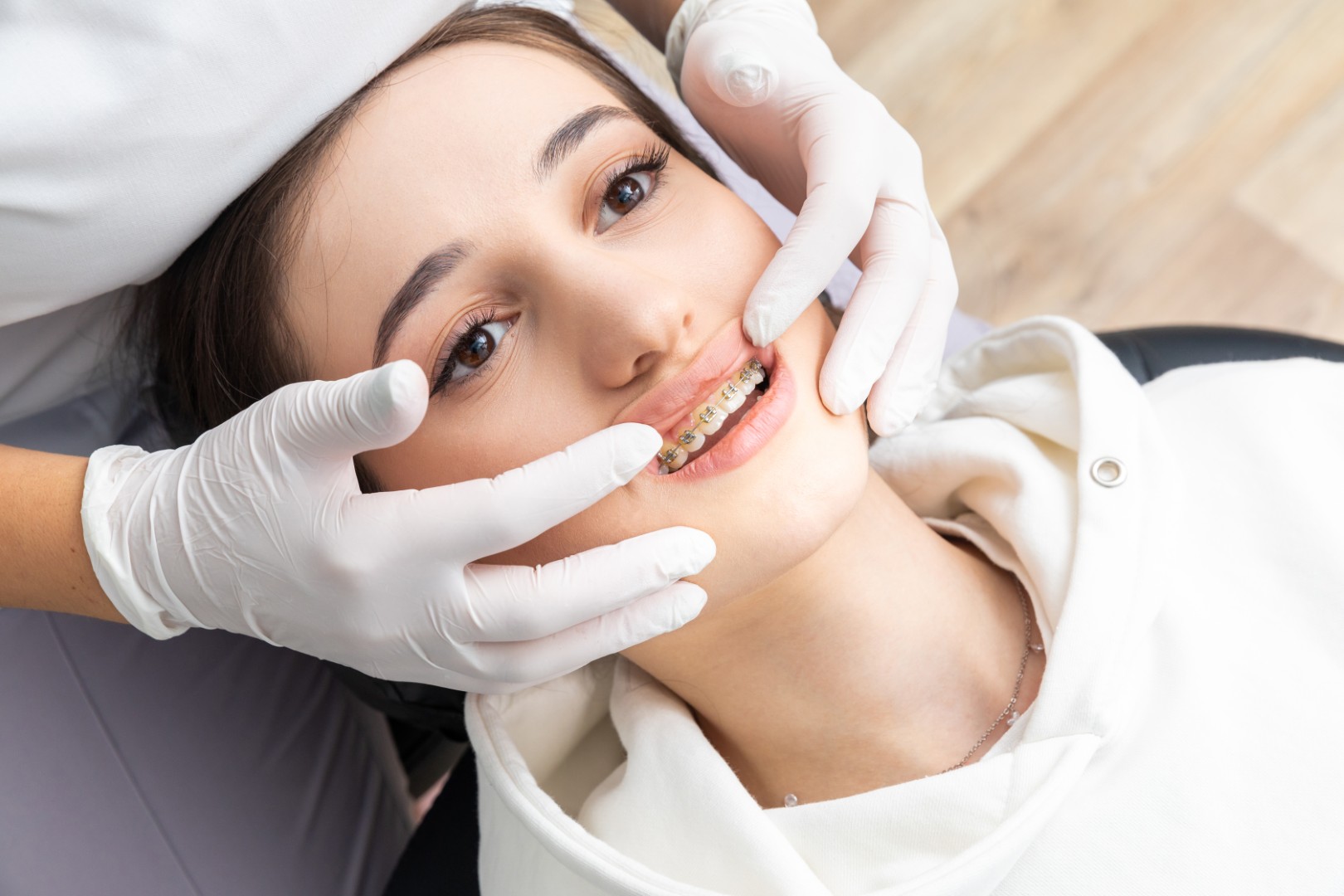
A first orthodontic visit is simple and comfortable. The orthodontist examines the teeth, bite, jaw alignment, and facial growth. Digital scans or X-rays may be used to see how adult teeth are developing beneath the surface.
Parents receive clear answers about:
-
Whether treatment is needed now or later
-
What type of growth changes to expect
-
How often follow-up visits should occur
-
What signs to watch for at home
Many children enter a monitoring phase, with checkups every 6–12 months. This approach keeps families informed without rushing treatment.
For bite-related growth concerns, visit our Jaw Repositioning page.
Early Treatment vs. Waiting Until the Teen Years
Some children benefit from Phase 1 orthodontic treatment, which focuses on guiding jaw growth rather than straightening all teeth. This phase typically occurs between ages 7 and 10.
Phase 1 treatment may involve:
-
Expanders to widen the upper jaw
-
Appliances that guide jaw position
-
Limited braces for spacing or bite correction
After Phase 1, children usually take a break until more adult teeth erupt. Final braces often take less time because growth issues were addressed early.
Details on later treatment stages are available on our Braces page.
What Happens If Parents Wait Too Long?
Waiting until all adult teeth come in can limit treatment options. By the teen or adult years, jaw growth is mostly complete, which may require longer treatment or more complex solutions.
In some cases, untreated jaw problems can lead to:
-
Severe crowding
-
Uneven facial growth
-
Bite discomfort or wear
-
Need for jaw surgery in adulthood
Advanced correction may involve orthognathic surgery, which can often be avoided with early care. Learn more on our Orthognathic Surgery page.
What Fort Worth Parents Care About Most
Parents want reassurance that they are doing the right thing at the right time. At Ahava Orthodontics, families receive honest recommendations based on growth, not pressure to start treatment early.
Comfort and communication matter. Children are guided gently through exams, and parents are given practical guidance they can use at home.
One Fort Worth parent shared:
"We weren’t sure if our son needed orthodontic care yet. The orthodontist explained everything clearly and helped us understand what to watch for. That early visit made his later treatment much easier."
Get the Help You Need
When you’re wondering when your child should see an orthodontist, call 817-926-9777 to schedule an evaluation. Ahava Orthodontics will assess growth, answer questions, and guide your family with a clear, personalized plan.