Invisalign vs Braces Which Orthodontic Treatment Is Right for You
Ahava Orthodontics helps Fort Worth patients compare Invisalign vs braces so they can choose the orthodontic treatment that fits their goals, lifestyle, and alignment needs. Both treatments are designed to straighten teeth and improve bite balance, but they work in different ways.
Many teens and adults wonder which option will give them the best results. The answer depends on several factors, including the complexity of the alignment problem, daily habits, and personal preferences. Understanding the differences between Invisalign and braces makes it easier to choose the right path to a healthier smile.
How Invisalign and Braces Work
Both treatments gradually move teeth using controlled pressure over time. Orthodontists plan these movements carefully so teeth shift safely into better alignment.
Braces use brackets attached to the teeth with wires that are adjusted periodically to guide tooth movement.

Invisalign uses a series of clear, removable aligners that are changed every one to two weeks. Each aligner makes small adjustments until the final alignment is reached.
Patients interested in removable aligners can learn more on our
Invisalign treatment page.
Traditional braces remain one of the most reliable ways to correct complex orthodontic issues. More details are available on our
Braces treatment page.
Key Differences Between Invisalign and Braces
While both treatments aim for the same goal—straight, healthy teeth—the experience during treatment can feel quite different.
Clear aligners are removable, allowing patients to eat normally and brush easily. Braces remain fixed to the teeth, which means they work continuously without relying on patient discipline.
Appearance is another major difference. Invisalign trays are nearly invisible, while braces use visible brackets and wires.
The American Association of Orthodontists explains that treatment success depends on choosing the option best suited for the patient’s specific alignment needs.
Invisalign vs Braces Comparison
| Feature | Invisalign | Traditional Braces |
|---|---|---|
| Appearance | Nearly invisible clear trays | Visible brackets and wires |
| Removability | Removable for eating and brushing | Fixed to teeth during treatment |
| Best For | Mild to moderate alignment issues | Mild to complex orthodontic cases |
| Maintenance | Requires daily discipline to wear aligners | Works continuously without removal |
| Comfort | Smooth trays with minimal irritation | Brackets may cause temporary irritation |
Both methods are effective when used correctly and monitored by an orthodontist.
When Invisalign May Be the Better Choice
Invisalign is often chosen by teens and adults who prefer a more discreet orthodontic solution. The clear aligners fit closely over teeth and are difficult to notice during conversations or photos.
Patients who succeed with Invisalign usually follow a consistent routine and wear their aligners as directed each day.
Situations where Invisalign often works well include:
-
Mild to moderate crowding
-
Small gaps between teeth
Because aligners are removable, they allow patients to brush and floss normally and avoid dietary restrictions.
When Braces May Be the Better Option
Braces remain the most versatile orthodontic tool. They allow orthodontists to control tooth movement with exceptional precision, especially when correcting complex bite problems.
Braces may be recommended when patients have severe crowding, major bite alignment concerns, or teeth that require significant rotation.
Braces also work continuously, which can help younger patients who may struggle to wear removable aligners consistently.
Orthodontists evaluate each patient’s bite, jaw alignment, and long-term goals before recommending a treatment plan.
What Fort Worth Patients Care About Most
Patients usually want treatment that fits comfortably into their daily routine. Appearance, comfort, and treatment length are common concerns when choosing between Invisalign and braces.
At Ahava Orthodontics, patients receive clear explanations about both options so they can make confident decisions. Each treatment plan is customized based on alignment goals and lifestyle preferences.
One Fort Worth patient shared:
“I wasn’t sure whether to choose braces or Invisalign. The orthodontist explained the pros and cons of both, and Invisalign ended up fitting my schedule perfectly.”
That guidance helps patients feel comfortable throughout the process.
Life After Orthodontic Treatment
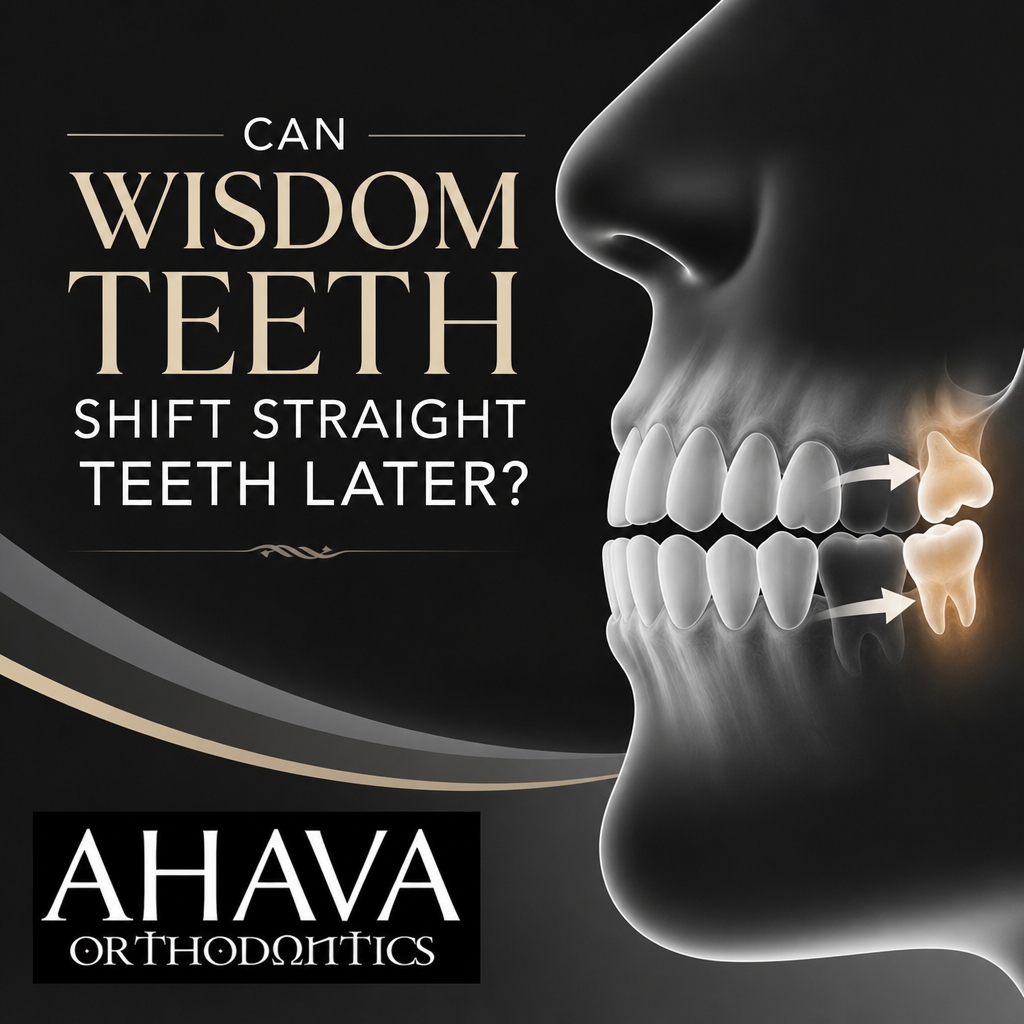
Whether patients choose braces or Invisalign, retainers play an essential role after treatment ends. Teeth naturally shift over time, especially during growth or lifestyle changes.
Retainers hold teeth in their new positions and help protect the results achieved during orthodontic treatment.
Patients can learn more about this important step on our
Retainers page.
Consistent retainer wear ensures that the new smile remains stable for years to come.
Choosing the Right Treatment for Your Smile
The best way to decide between Invisalign vs braces is through a professional orthodontic evaluation. Each smile is unique, and treatment recommendations should reflect individual needs rather than general assumptions.
A consultation allows orthodontists to review alignment concerns, discuss treatment goals, and recommend the option most likely to deliver long-lasting results.
Get the help you need
If you’re looking for orthodontic treatment in Fort Worth, call 817-123-4567 to schedule a consultation. Ahava Orthodontics will evaluate your smile, explain Invisalign and braces options clearly, and help you choose the best treatment for long-term success.