What Age Should My Child See an Orthodontist for Braces
When is the right time for your child to see an orthodontist for braces? It’s a question many parents ask, especially when they start noticing changes in their child’s smile. The truth is, timing plays a major role in how effective and efficient orthodontic treatment can be. Knowing when to schedule that first visit can make all the difference in your child’s long-term oral health.
Best Age for First Orthodontic Visit
According to orthodontic experts, children should have their first orthodontic evaluation by age 7. This might seem early—especially if your child still has baby teeth—but this stage is critical for identifying how the jaw and permanent teeth are developing.
At this age, orthodontists can detect early signs of:
-
Crowding or spacing issues
-
Bite problems like overbite or underbite
-
Jaw growth concerns
-
Harmful oral habits like thumb sucking or mouth breathing
Early evaluation doesn’t always mean your child will need braces right away. In many cases, it simply allows for monitoring growth and planning the right time for treatment.
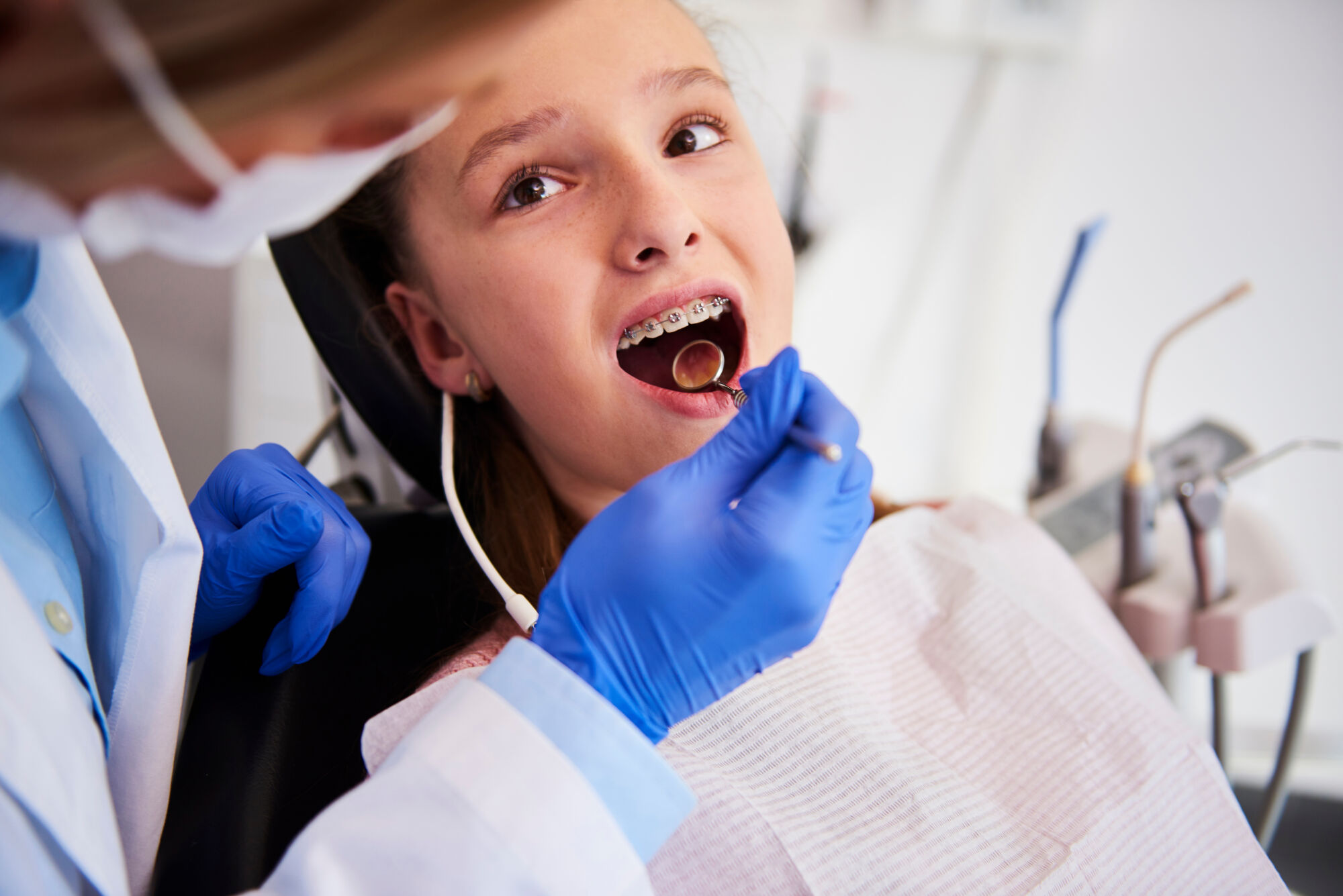
Early Orthodontic Evaluation Matters
An early orthodontic check can help prevent more serious issues later. This type of care is often called early orthodontic treatment or Phase 1 treatment.
The benefits of early evaluation include:
-
Guiding proper jaw development
-
Creating space for incoming adult teeth
-
Reducing the risk of impacted or crowded teeth
-
Minimizing the need for tooth extractions
-
Shortening future treatment time
By identifying problems early, orthodontists can take a proactive approach instead of waiting for issues to become more complex.
Signs Your Child May Need to See an Orthodontist
Even before age 7, there are signs that may indicate your child should see an orthodontist sooner.
Look for:
-
Early or late loss of baby teeth
-
Difficulty chewing or biting
-
Mouth breathing
-
Thumb sucking beyond age 4–5
-
Teeth that appear crowded, crooked, or spaced
-
Jaws that shift or make sounds
-
Biting the cheek or roof of the mouth
If you notice any of these signs, it’s a good idea to schedule an evaluation—even if your child is younger than 7.
When Do Kids Actually Get Braces?
While evaluations often happen around age 7, most children don’t get braces until ages 10 to 14. This is when most or all permanent teeth have erupted, making it the ideal time for full orthodontic treatment.
However, every child is different. Some may benefit from early intervention, while others may only need monitoring until the timing is right.
Treatment timing depends on:
-
Dental development
-
Jaw growth patterns
-
Severity of alignment or bite issues
-
Presence of harmful oral habits
An orthodontist will recommend the best timeline based on your child’s unique needs.
What Is Two-Phase Orthodontic Treatment?
Some children benefit from two-phase orthodontic treatment, which combines early intervention with later braces.
Phase 1 (early treatment) focuses on guiding jaw growth and creating space for permanent teeth. This may involve appliances like expanders or MyoBrace.
Phase 2 (later treatment) typically involves braces to fine-tune alignment once all adult teeth are in place.
This approach can:
-
Reduce the need for extractions
-
Improve facial balance
-
Make final treatment faster and more efficient
Not every child needs two-phase treatment, but for those who do, it can significantly improve long-term results.
Role of MyoBrace and Early Habit Correction
For younger children, addressing the root causes of dental issues can be just as important as straightening teeth. That’s where systems like MyoBrace come in.
MyoBrace focuses on correcting habits such as:
-
Mouth breathing
-
Incorrect tongue posture
-
Poor swallowing patterns
By fixing these habits early, MyoBrace helps guide natural jaw development and create space for adult teeth. This can reduce the need for braces or simplify treatment later.
What Parents Care About Most
Parents often worry about starting treatment too early—or too late. The key is understanding that an early visit doesn’t always mean immediate treatment.
What matters most is:
-
Timing: Catching issues at the right stage of growth
-
Prevention: Addressing small problems before they become bigger
-
Comfort: Ensuring your child has a positive, stress-free experience
-
Long-term results: Creating a healthy smile that lasts
Many parents feel relieved after an early evaluation because they gain clarity and a plan moving forward.
How to Prepare for Your Child’s First Orthodontic Visit
The first visit is simple and informative. It usually includes an exam, possible imaging, and a discussion about your child’s development.
You can prepare by:
-
Talking to your child about what to expect
-
Bringing any dental history or concerns
-
Writing down questions you may have
The goal is to gather information and create a plan—not to rush into treatment.
When You Need Guidance on Your Child’s Smile, We’re Here to Help
When you need answers about the right age for your child to see an orthodontist for braces, Ahava Orthodontics in Fort Worth is here to guide you every step of the way. We focus on early detection, personalized care, and creating treatment plans that support healthy growth and confident smiles.
Whether your child is ready for braces or just needs monitoring, we’ll help you make the best decision at the right time. Schedule your free consultation today and take the first step toward a lifetime of healthy smiles.