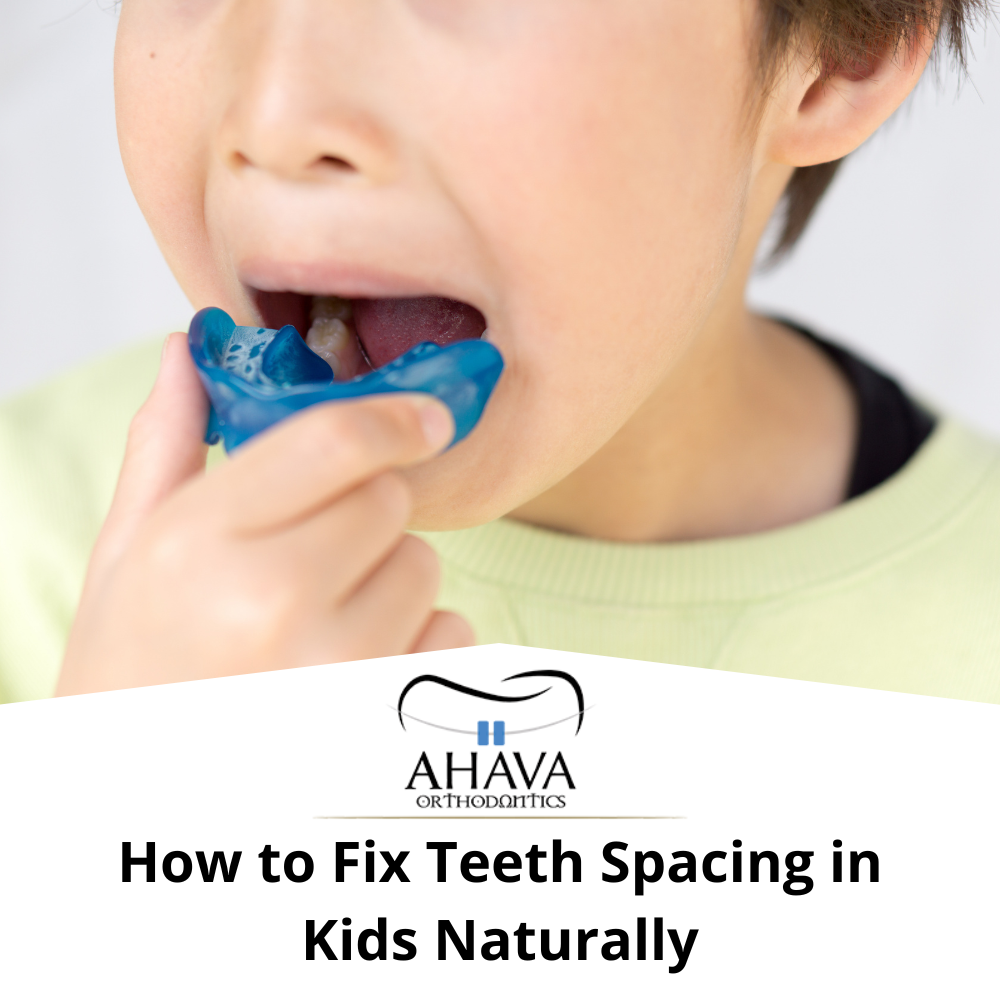
How to Fix Teeth Spacing in Kids Naturally
Ahava Orthodontics helps Fort Worth families understand how to improve teeth spacing in kids naturally by guiding healthy jaw development and correcting habits early. In many cases, spacing and alignment issues are influenced by growth patterns and daily behaviors, not just genetics.
Parents often notice gaps or uneven spacing in their child’s teeth and wonder if braces are the only solution. While orthodontic treatment is sometimes needed, early habits and growth support can make a meaningful difference.
Is Teeth Spacing in Kids Normal?
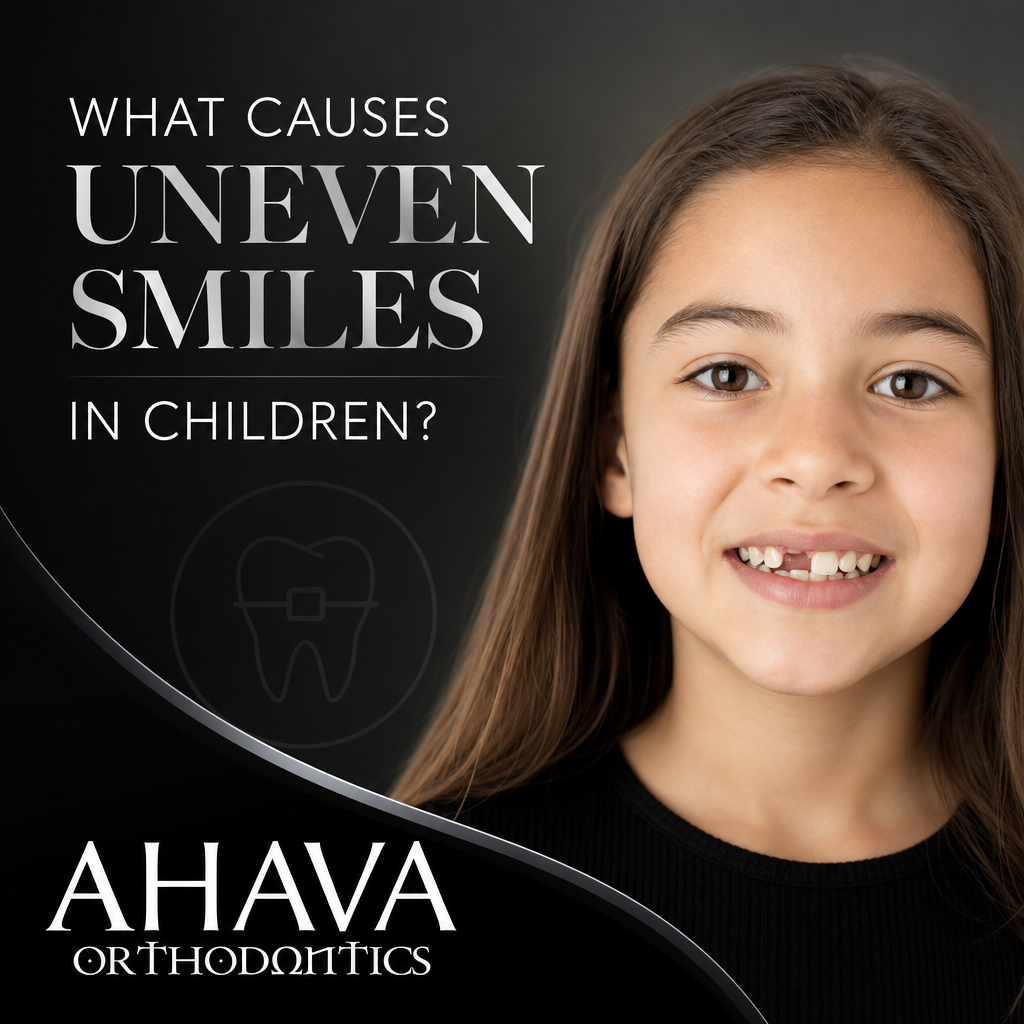
Spacing in baby teeth is often a good sign. Baby teeth are smaller than adult teeth, so gaps can mean the jaw is growing properly and creating room for permanent teeth.
However, not all spacing is the same. Large gaps, uneven spacing, or spacing combined with bite issues may signal underlying concerns.
Healthy teeth spacing in kids depends on balanced jaw growth, proper tongue posture, and normal tooth eruption patterns.
Families can learn more about growth and spacing on our Early Treatment page.
How Jaw Development Affects Spacing
The size and shape of a child’s jaw play a major role in how teeth are spaced. A well-developed jaw provides enough room for permanent teeth to come in evenly.
If the jaw is too narrow or underdeveloped, teeth may crowd instead of spacing properly. In other cases, uneven growth can lead to irregular gaps.
Encouraging healthy jaw development early can help support more natural alignment as permanent teeth erupt.
For jaw-focused guidance, visit our Jaw Repositioning page.
The Role of Breathing and Tongue Posture
Many parents are surprised to learn that breathing habits affect tooth alignment. Children who breathe through their mouths often develop narrower upper jaws because the tongue rests low instead of supporting the roof of the mouth.
Proper tongue posture—resting gently against the palate—helps guide the jaw to grow wider and more balanced.
Encouraging nasal breathing and correct tongue position can support more natural spacing over time. Airway-related development is explained further on our Sleep Apnea page.
Habits That Can Affect Teeth Spacing
Certain habits can either support or disrupt natural alignment. Identifying these early can help prevent spacing problems from getting worse.
Common habits that affect spacing include:
- Thumb-sucking beyond early childhood
- Extended pacifier use
- Tongue thrusting
- Mouth breathing
Reducing or correcting these habits allows the teeth and jaws to develop more naturally.
Can Teeth Spacing Improve on Its Own?
In some cases, spacing improves as children grow and permanent teeth begin to erupt. Small gaps between baby teeth often close naturally when larger adult teeth come in.
However, spacing caused by jaw imbalance or habits usually does not correct itself completely. Monitoring growth helps determine whether improvement is happening naturally or if guidance is needed.
The American Association of Orthodontists recommends early evaluations to track these changes and identify concerns at the right time (https://aaoinfo.org/).
Natural Approaches That Support Better Alignment
While not all spacing can be corrected without orthodontic treatment, there are natural approaches that support healthy development.
These include:
- Encouraging proper nasal breathing
- Supporting good tongue posture
- Addressing oral habits early
- Promoting a balanced diet that encourages chewing
These steps do not replace orthodontics when needed, but they can improve the overall foundation for alignment.
When Orthodontic Guidance Becomes Important
If spacing is severe, uneven, or linked to bite problems, orthodontic guidance may be recommended. Early intervention can help guide growth rather than waiting for issues to become more complex.
Some children benefit from early appliances that help expand the jaw or improve alignment before braces are needed. Others may only need monitoring until the right time for treatment.
Families can explore treatment options on our Braces page.
What Fort Worth Parents Care About Most
Parents want to know whether they can fix spacing naturally or if treatment will be required. At Ahava Orthodontics, the focus is on clear, honest guidance based on each child’s development.
Many families feel reassured knowing that not all spacing problems require immediate treatment. In some cases, simple habit changes and monitoring are enough.
One Fort Worth parent shared:
“We noticed gaps in our child’s teeth and weren’t sure if it was normal. The orthodontist explained what to watch for and when to act. That gave us peace of mind.”
This kind of clarity helps families make confident decisions.
The Long-Term Impact of Early Habits
Early habits shape how teeth and jaws develop over time. Supporting proper breathing, posture, and oral function creates a stronger foundation for future alignment.
Even if orthodontic treatment is needed later, these healthy habits can make treatment easier and more efficient.
Natural support and professional guidance often work best together.
When you need answers about teeth spacing in kids
When you need answers about teeth spacing in kids, call 817-926-9777 to schedule an evaluation. Ahava Orthodontics will assess your child’s development, explain what’s normal, and guide you toward the best next step.