Ahava Orthodontics helps Fort Worth families understand Phase 2 orthodontic treatment and how this stage creates a straight, healthy, and balanced smile. After early growth guidance in Phase 1 (if needed), Phase 2 focuses on aligning permanent teeth and refining the bite for long-term stability.
Many parents wonder whether Phase 2 is simply “braces time.” While braces or aligners are often part of this stage, Phase 2 orthodontic treatment is more detailed than that. It fine-tunes tooth position, improves bite function, and ensures results last into adulthood.
What Is Phase 2 Orthodontic Treatment?
Phase 2 orthodontic treatment typically begins when most or all permanent teeth have erupted. This usually happens between ages 11 and 14, though timing varies based on growth patterns.
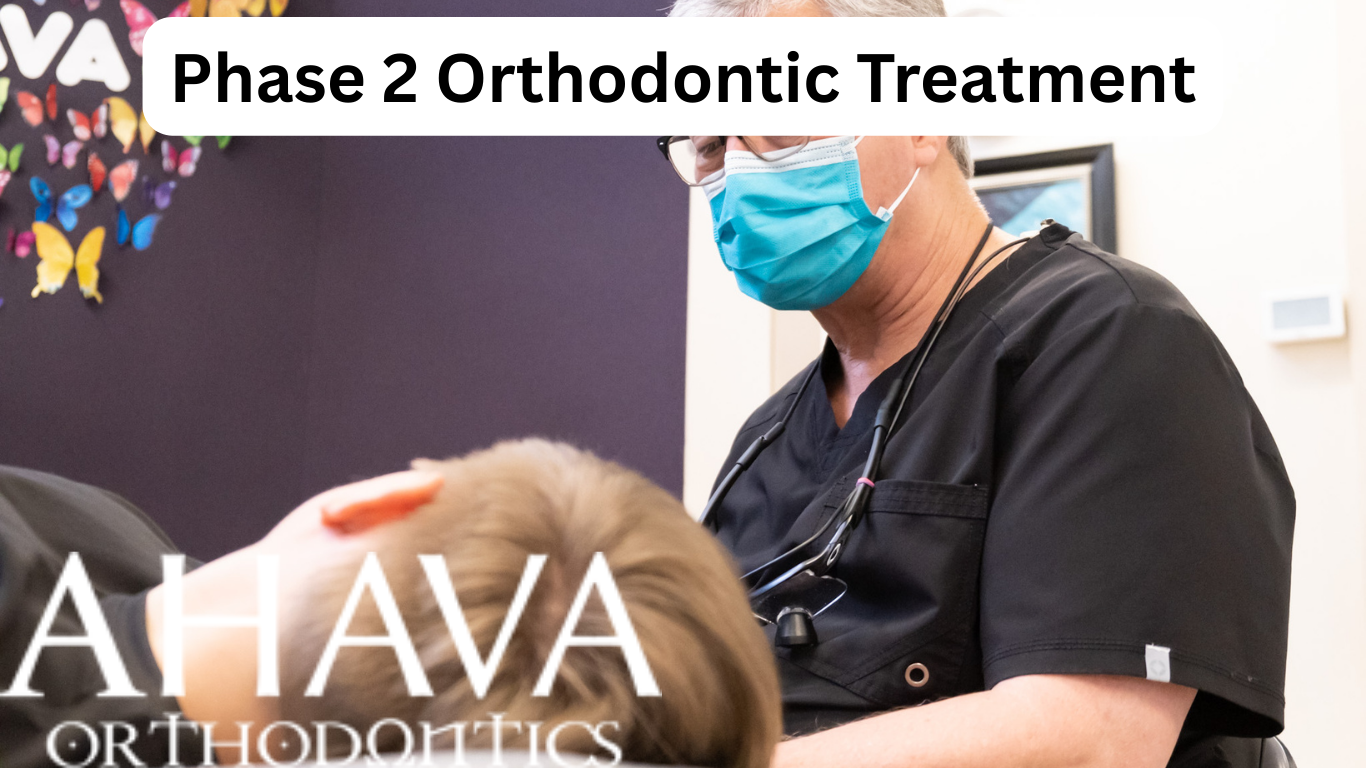
The goal of Phase 2 is complete alignment. Unlike Phase 1, which focuses on jaw growth and space creation, Phase 2 concentrates on:
-
Straightening permanent teeth
-
Correcting bite alignment (overbite, underbite, crossbite)
By this stage, jaw development has progressed enough to allow precise tooth positioning. Treatment is carefully planned so teeth fit together evenly and function comfortably.
Families can review alignment options on our Braces page.
Why Timing Matters for Phase 2
Starting Phase 2 too early can extend treatment time. Waiting until most adult teeth are present allows orthodontists to align everything efficiently in one coordinated phase.
During this stage, the orthodontist considers:
-
Remaining jaw growth
-
Tooth eruption patterns
-
Bite balance
-
Long-term stability
Because Phase 1 addressed early growth concerns (if needed), Phase 2 can focus fully on detailed alignment.
Parents who skipped Phase 1 should not worry. Many children only require Phase 2 treatment. An evaluation helps determine the right approach. Learn more about early care on our Early Treatment page.
What Appliances Are Used in Phase 2?
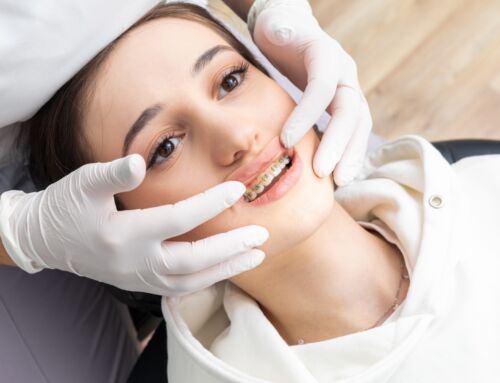
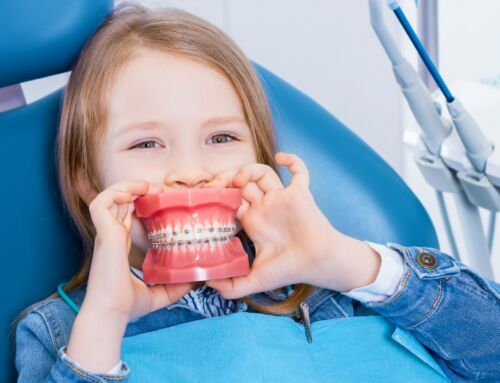
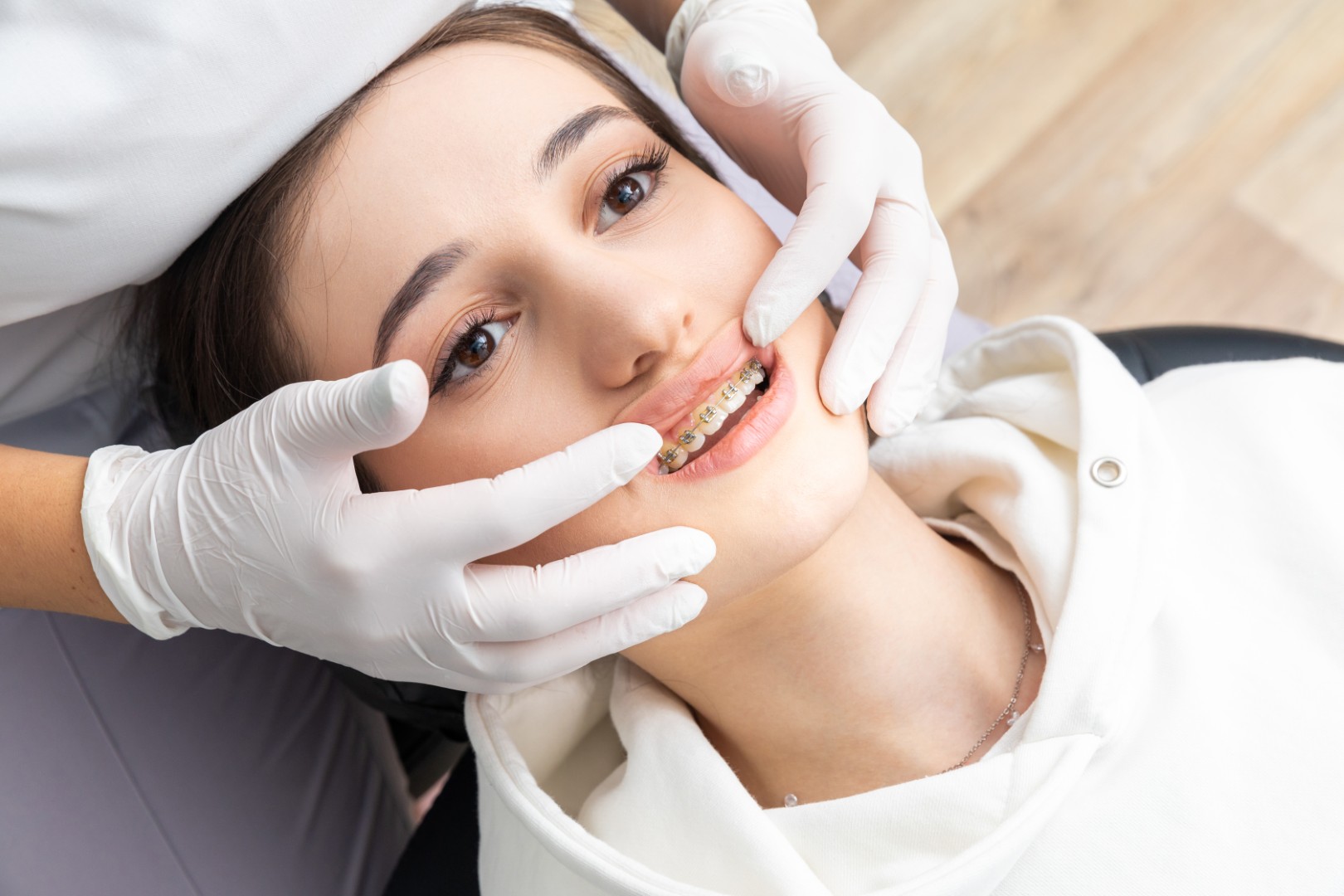
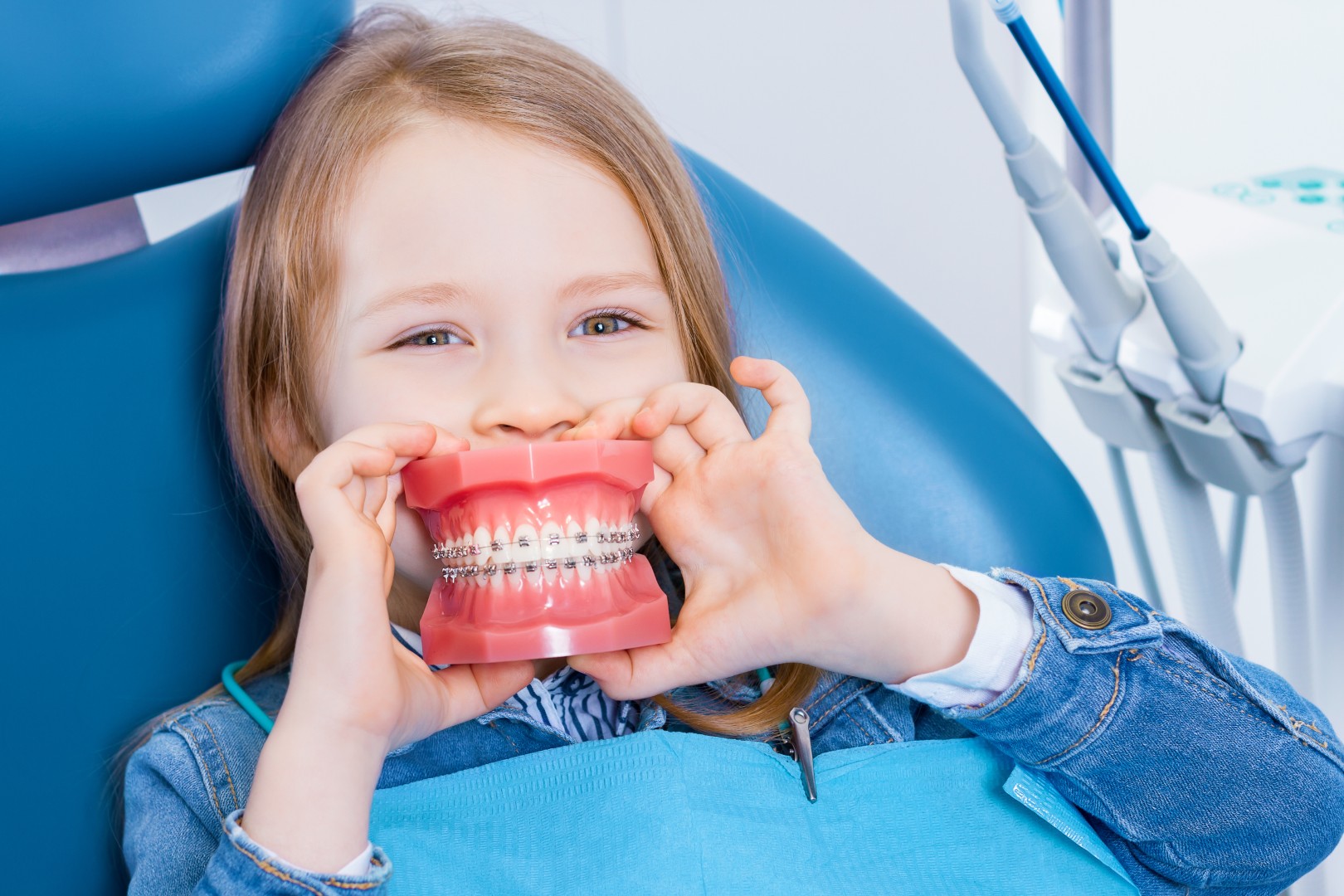
Phase 2 orthodontic treatment may involve traditional braces, ceramic braces, or clear aligners like Invisalign, depending on the patient’s needs and preferences.
Braces allow orthodontists to make precise adjustments over time. Clear aligners provide a more discreet option for teens who prefer removable trays. Both methods are effective when used correctly and monitored consistently.
Treatment length typically ranges from 18 to 24 months, though some cases finish sooner.
What Phase 2 Corrects
Phase 2 orthodontic treatment addresses both appearance and function. Proper alignment improves more than just the smile.
Corrected issues may include:
-
Crowding or spacing
-
Deep overbites or underbites
-
Crossbites
-
Rotated teeth
-
Jaw shifting when chewing
When teeth fit together properly, chewing improves, speech clarity may improve, and uneven tooth wear is reduced.
The American Association of Orthodontists explains that proper bite alignment also supports long-term dental health.
What Fort Worth Parents Care About Most
Parents want to know how long treatment will last and whether it will be comfortable. At Ahava Orthodontics, each Phase 2 plan is personalized based on growth and alignment goals.
Comfort is a priority. Modern braces use lighter wires and smoother brackets than in the past. Adjustments are gentle and predictable.
Teens also care about confidence. Clear aligners or ceramic braces provide options that blend more naturally with their lifestyle.
One Fort Worth parent shared:
“After Phase 1, we were unsure what Phase 2 would involve. The orthodontist explained everything clearly, and the braces process was much smoother than we expected.”
Clear communication makes a big difference during the teen years.
Life During Phase 2
Phase 2 orthodontic treatment requires regular visits, usually every 6 to 8 weeks. During these appointments, the orthodontist adjusts appliances and monitors progress.
Teens are encouraged to maintain strong brushing habits and avoid foods that could damage brackets. Wearing elastics as directed also helps keep treatment on schedule.
Because permanent teeth are fully present, Phase 2 focuses on final precision rather than growth correction.
What Happens After Phase 2 Ends
Once braces or aligners are complete, retainers protect the new alignment. Teeth naturally want to shift, especially during late teen growth. Wearing retainers consistently ensures the smile stays straight.
Families can learn more about retention on our Retainers page.
Long-term retainer wear supports stability and protects the results achieved during both phases of treatment.
How Phase 2 Supports Long-Term Confidence
Straight teeth improve more than appearance. Balanced bites support better oral hygiene, easier chewing, and even jaw comfort.
For teens, finishing Phase 2 orthodontic treatment often boosts confidence at a time when self-image matters most. A healthy smile supports social comfort, school activities, and future opportunities.
Orthodontic care during this stage is an investment in lifelong oral health.
Get the Support You Need
If you’re looking for guidance about Phase 2 orthodontic treatment, call 817-926-9777 to schedule an evaluation. Ahava Orthodontics will review growth, explain alignment options, and create a personalized plan for long-term success.