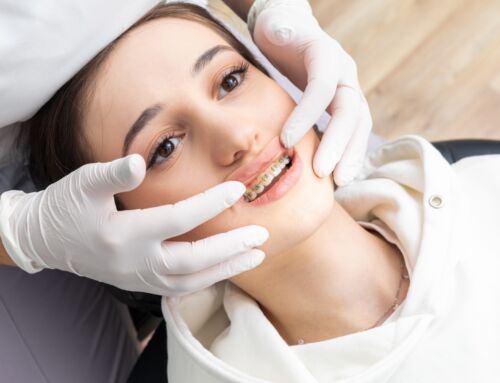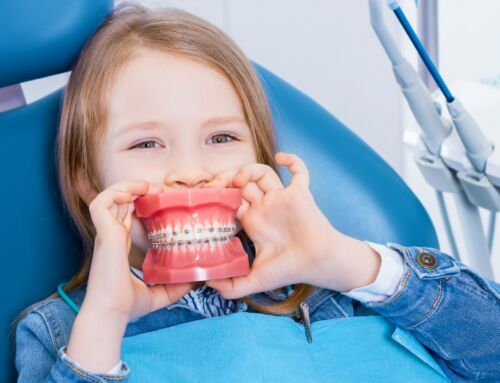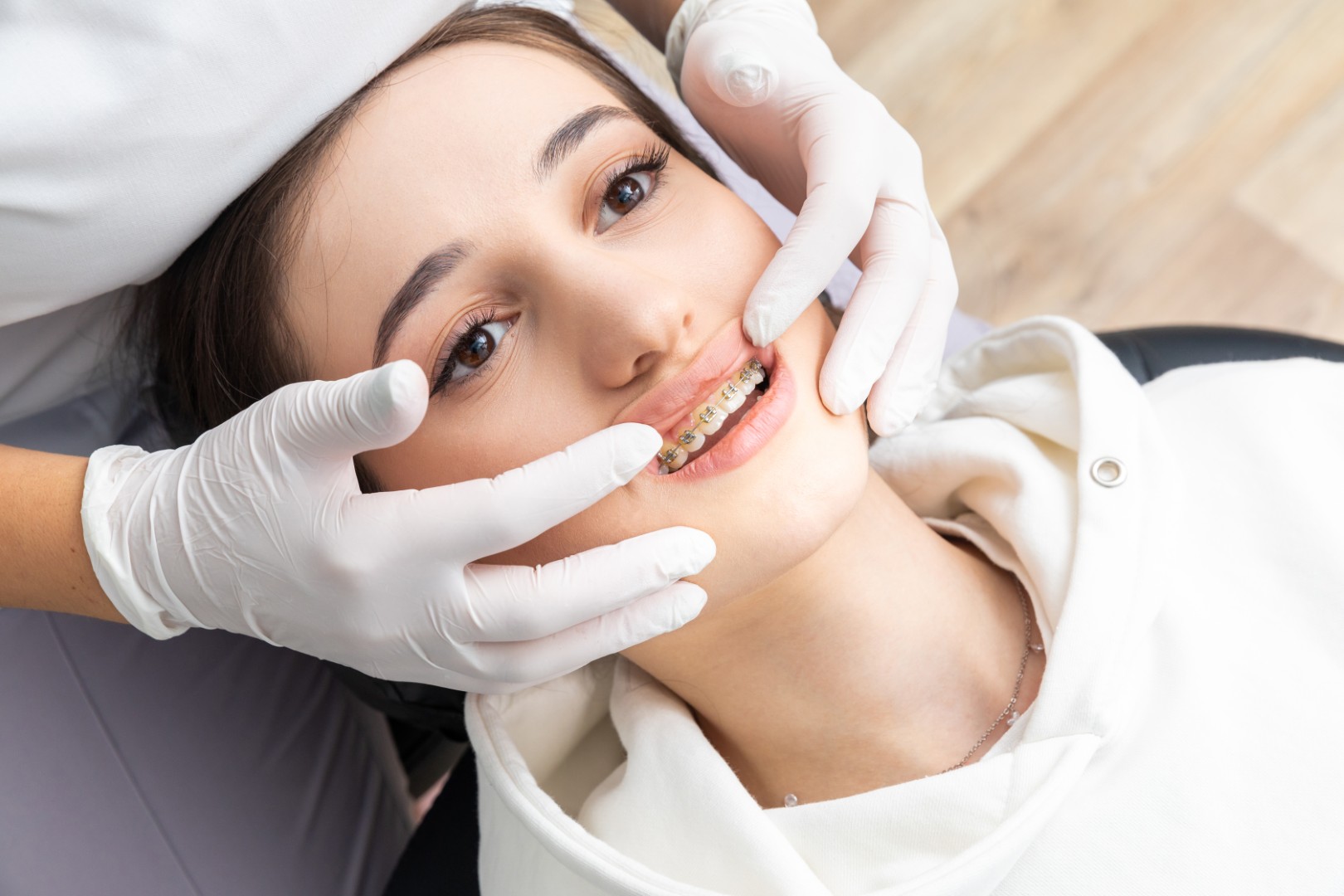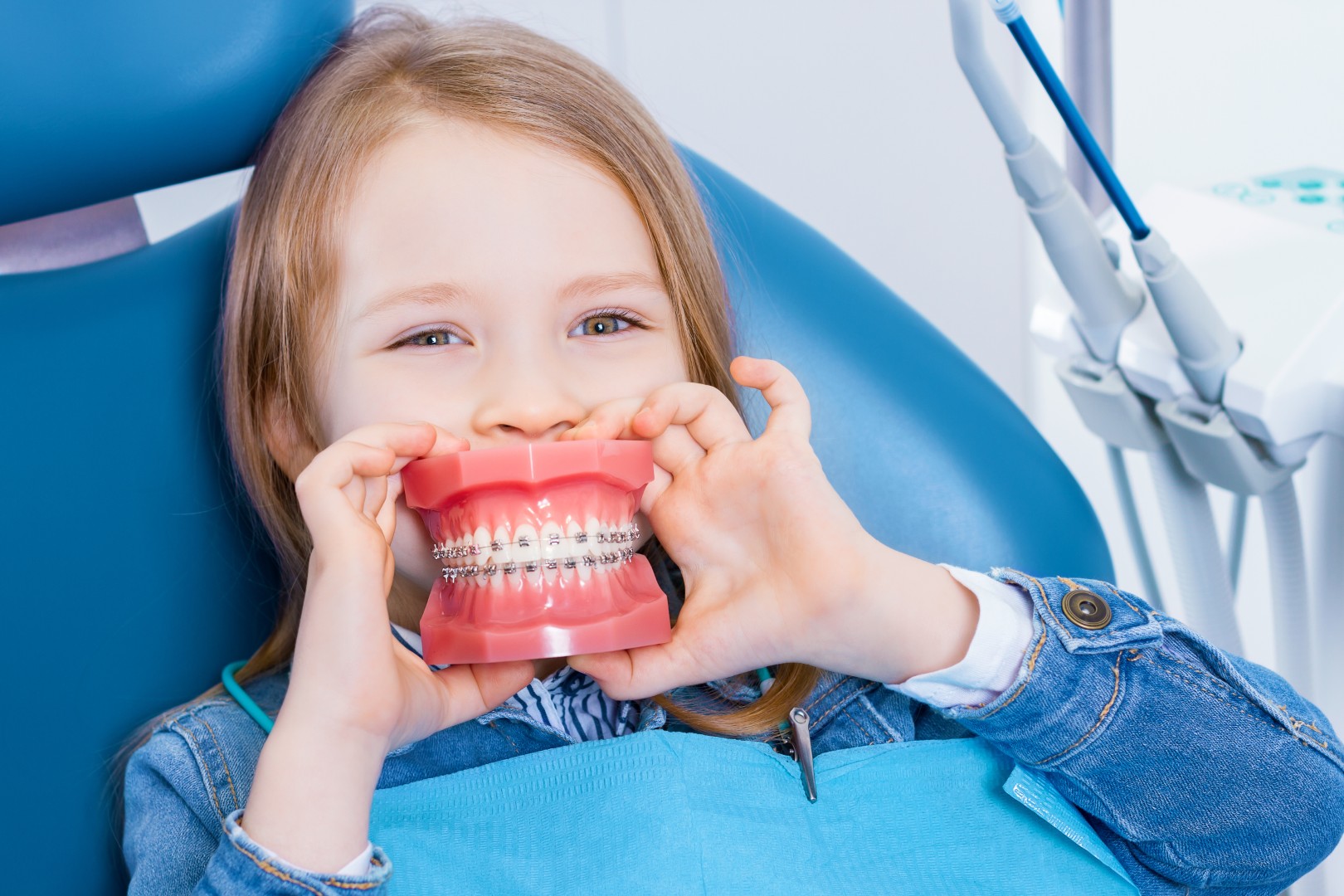
Ahava Orthodontics helps Fort Worth families explore ways to correct crooked teeth without traditional metal braces. Modern orthodontics offers several treatment options that straighten teeth while fitting comfortably into school, work, and social life.
Many teens and adults want straighter teeth but hesitate because they picture bulky metal brackets. Today’s orthodontic technology offers solutions that are more discreet, comfortable, and flexible. These options allow patients to improve alignment while maintaining confidence throughout treatment.
Why Crooked Teeth Should Be Corrected
Crooked teeth are more than a cosmetic concern. When teeth are crowded or misaligned, they can affect daily oral health. Tight spaces make brushing and flossing harder, which can increase the risk of cavities and gum irritation.
Misalignment can also create uneven bite pressure. Over time, this may lead to tooth wear, jaw discomfort, or difficulty chewing certain foods.
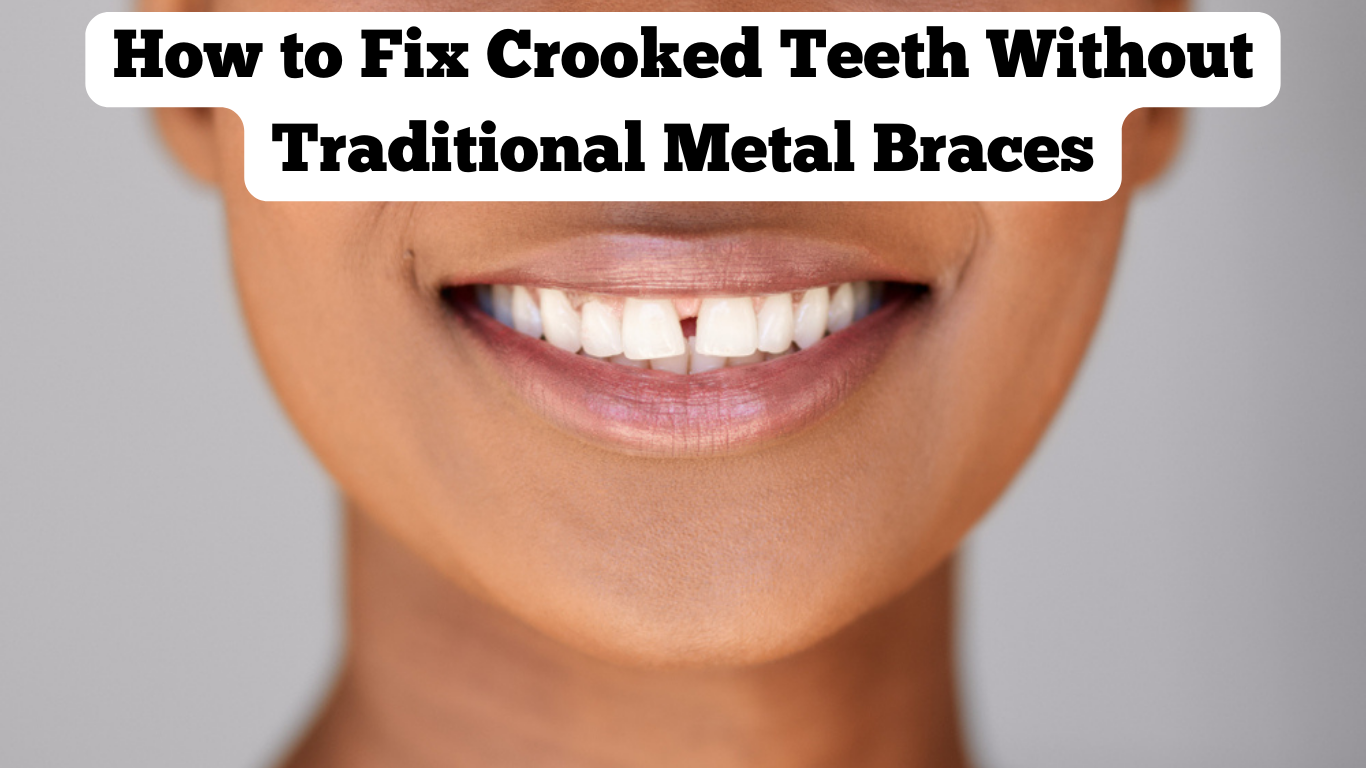
Correcting crooked teeth improves both appearance and function. Proper alignment helps teeth work together efficiently and supports long-term oral health.
Clear Aligners: A Popular Alternative
One of the most common ways to fix crooked teeth without metal braces is with clear aligners. These custom-made trays gradually move teeth into better positions using gentle pressure.
Clear aligners are nearly invisible when worn and can be removed for eating, brushing, and flossing. This flexibility makes them especially appealing for teens and adults who want orthodontic treatment that fits into their daily routines.
Patients typically switch to a new set of aligners every one to two weeks as teeth gradually shift. Consistent wear—usually about 20 to 22 hours per day—is important for staying on schedule.
Families can learn more about this option on our Invisalign page.
Ceramic Braces for a Subtle Look
For patients who need more precise tooth movement, ceramic braces offer another alternative. These braces work the same way as traditional braces but use clear or tooth-colored brackets that blend with natural teeth.
Ceramic braces are often chosen by teens and adults who want effective orthodontic treatment with a less noticeable appearance. Because they remain fixed to the teeth, they do not require the same daily discipline as removable aligners.
Ceramic braces are especially helpful when treating more complex crowding or bite issues. You can review treatment details on our Braces page.
When Clear Aligners Work Best
Clear aligners can correct many types of alignment concerns. Mild to moderate crowding, spacing, and some bite issues often respond well to this approach.
However, severe bite misalignment or complex tooth movement may require braces or other orthodontic appliances. During an evaluation, the orthodontist reviews digital scans and bite patterns to determine the most effective solution.
The American Association of Orthodontists explains that treatment choice depends on the specific alignment problem rather than patient age alone.
What the Treatment Process Looks Like
Fixing crooked teeth without metal braces begins with a comprehensive orthodontic evaluation. The orthodontist examines the teeth, bite alignment, and jaw structure to create a personalized plan.
Digital scans are often used to map tooth movement step by step. Patients can even preview how their smile may look after treatment.
Regular checkups allow the orthodontist to monitor progress and make adjustments if needed. These visits are typically scheduled every 6 to 8 weeks.
What Fort Worth Patients Care About Most
Patients considering orthodontic treatment often ask about comfort, visibility, and treatment time. Modern orthodontic options are designed to address all three.
Clear aligners and ceramic braces both provide effective alignment while maintaining a more subtle appearance than traditional metal braces. Many patients appreciate the flexibility of aligners or the low-profile design of ceramic brackets.
One Fort Worth patient shared:
“I wanted straighter teeth but didn’t want noticeable braces. Clear aligners fit my routine perfectly, and the results were better than I expected.”
These experiences help reassure others that orthodontic treatment can fit comfortably into everyday life.
How Long Treatment Typically Takes
The time needed to correct crooked teeth depends on how much movement is required. Mild alignment changes may take less than a year, while more complex cases may take 18 to 24 months.
Consistency plays an important role in treatment success. Wearing aligners as directed or attending scheduled adjustment visits helps keep progress on track.
Once alignment is complete, retainers help maintain results. Retainers prevent teeth from shifting back toward their previous positions. Families can learn more about retention on our Retainers page.
Choosing the Right Option for Your Smile
The best way to determine how to fix crooked teeth without traditional metal braces is through a professional orthodontic evaluation. Every smile is unique, and treatment plans should reflect each patient’s goals and alignment needs.
With modern orthodontic solutions available, many patients achieve straighter smiles with options that feel more comfortable and discreet than ever before.
Get the Help You Need
If you’re looking for ways to fix crooked teeth without traditional metal braces, call 817-926-9777 to schedule a consultation. Ahava Orthodontics will review your options, explain treatment clearly, and help you choose the best path to a confident smile.