Are Braces Painful for Children or Teens
Ahava Orthodontics helps Fort Worth families understand whether braces are painful for kids and teens and what to expect during orthodontic treatment. While some discomfort is normal, modern braces are designed to be more comfortable than ever.
Many parents worry that braces will cause ongoing pain. Kids often feel nervous about what braces might feel like. The reality is much more manageable, especially with today’s technology and supportive care.
Do Braces Actually Hurt?
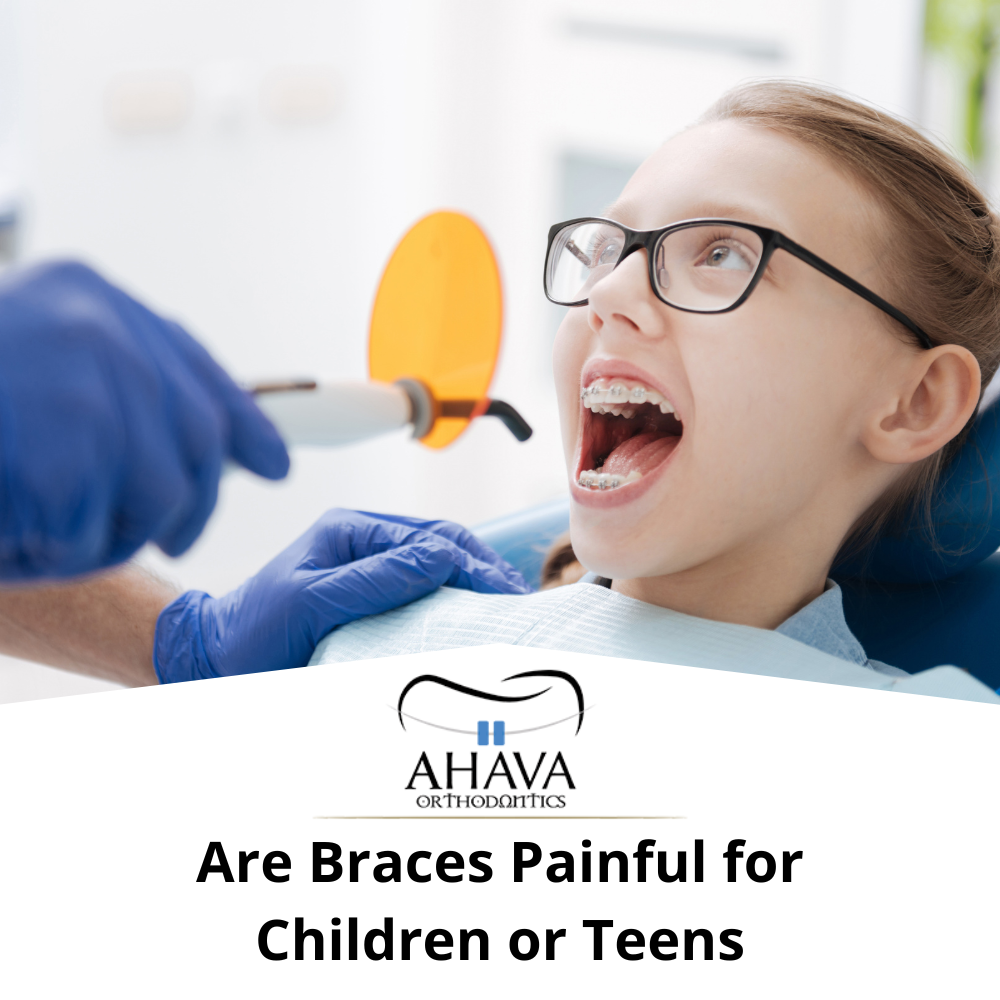
Braces do not cause constant pain, but they can create mild discomfort at certain times. This usually happens when braces are first placed or after adjustments.
The feeling is often described as pressure rather than sharp pain. This pressure means the braces are working to gently move teeth into better alignment.
Most children and teens adjust quickly. The initial soreness typically fades within a few days as the mouth adapts.
When Discomfort Is Most Common
There are specific moments during treatment when kids may feel some soreness. These moments are temporary and expected.
The most common times include:
- The first few days after braces are placed
- After routine adjustment appointments
During these periods, teeth may feel sensitive when chewing. Soft foods and gentle care usually make this stage easier to manage.
Why Braces Cause Pressure
Braces work by applying steady, controlled pressure to teeth over time. This pressure allows the bone around the teeth to adjust, making space for movement.
This process is safe and gradual, but it can create temporary soreness as teeth begin to shift. The sensation is similar to muscle soreness after exercise—it signals progress, not harm.
The American Association of Orthodontists explains that this type of discomfort is a normal part of orthodontic treatment (https://aaoinfo.org/).
How Modern Braces Improve Comfort
Orthodontic technology has improved significantly over the years. Today’s braces are smaller, smoother, and more efficient than older versions.
Advancements include lighter wires, rounded bracket edges, and materials designed to reduce irritation. These improvements make treatment more comfortable for children and teens.
Parents can explore modern treatment options on our Braces page.
Tips to Help Kids Stay Comfortable
There are simple ways to reduce discomfort during the first few days after adjustments. Most kids find that these strategies help them adjust quickly.
Helpful tips include:
- Eating soft foods like yogurt, pasta, or soup
- Using orthodontic wax to cover any areas causing irritation
Over-the-counter pain relief may also be recommended in some cases, based on the orthodontist’s guidance.
Encouraging kids to stay consistent with brushing and care also helps prevent irritation from food buildup.
What About Irritation from Braces?
In addition to pressure, some kids may notice mild irritation where brackets rub against the inside of the cheeks or lips. This is most common early in treatment.
Orthodontic wax provides a simple solution by creating a smooth barrier between braces and soft tissue. Over time, the mouth naturally adapts, and irritation usually decreases.
Good oral hygiene also helps reduce irritation and keeps the mouth comfortable throughout treatment.
Are Clear Aligners Less Painful?
Some teens choose clear aligners as an alternative to braces. Aligners also apply pressure to move teeth, so mild soreness can still occur when switching to a new set.
The difference is that aligners do not have brackets or wires, which may reduce irritation inside the mouth. However, they must be worn consistently to be effective.
Families can learn more about this option on our Invisalign page.
What Fort Worth Parents Care About Most
Parents want reassurance that braces will not disrupt their child’s daily life. At Ahava Orthodontics, comfort is a priority at every stage of treatment.
Orthodontists carefully adjust appliances to minimize discomfort and monitor how each child responds. Most kids return to normal routines within a few days after adjustments.
One Fort Worth parent shared:
“My child was nervous about getting braces, but the discomfort was much less than expected. After a few days, everything felt normal again.”
That experience is common and helps ease concerns for other families.
How Long Does Discomfort Last?
The most noticeable discomfort usually occurs during the first week of treatment. After that, the mouth adapts, and most kids only feel mild soreness after occasional adjustments.
These short periods of pressure are part of the process that leads to a straighter, healthier smile.
As treatment progresses, many children report that braces feel like a normal part of their routine.
The Big Picture: Temporary Discomfort, Long-Term Benefits
While braces can cause short-term discomfort, the long-term benefits are significant. Proper alignment improves bite function, oral hygiene, and overall dental health.
Straight teeth are easier to clean, which helps reduce the risk of cavities and gum problems. Balanced bites also reduce uneven wear on teeth.
After braces are removed, retainers help maintain results. Families can learn more on our Retainers page.
Get the Braces You Need
If you’re looking for answers about whether braces are painful for kids or teens, call 817-926-9777 to schedule a consultation. Ahava Orthodontics will explain what to expect, provide comfort tips, and guide your child through every step of treatment.