
Friendly Orthodontics Tips and Guidance
First Things First: Orthodontics Care
While we continuously focus on the latest updates in orthodontics care, how we’re improving, and how you can have the smile you want without all the pain that is generally associated with orthodontics, we also have tips for at home dental and orthodontic care you might have missed. Here’s some key points not to miss!
Latest Articles from Ahava Orthodontics

Can Allergies Affect Jaw and Teeth Development
Does your child constantly deal with allergies, mouth breathing, or congestion—and could it actually be affecting how their teeth and jaw are developing? Many parents are surprised to learn that chronic allergies can influence much more than breathing and sleep. Ongoing airway issues can impact jaw growth, teeth alignment, facial development, and even the future need for braces. The earlier these problems are recognized, the more opportunities there are to guide healthy development naturally. How Allergies Affect Breathing and Oral Development Children with chronic allergies often struggle to breathe comfortably through their noses. When nasal passages are blocked from congestion, many kids begin relying on mouth breathing instead. While this may seem harmless, long-term mouth breathing changes [...]
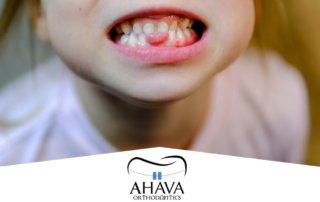
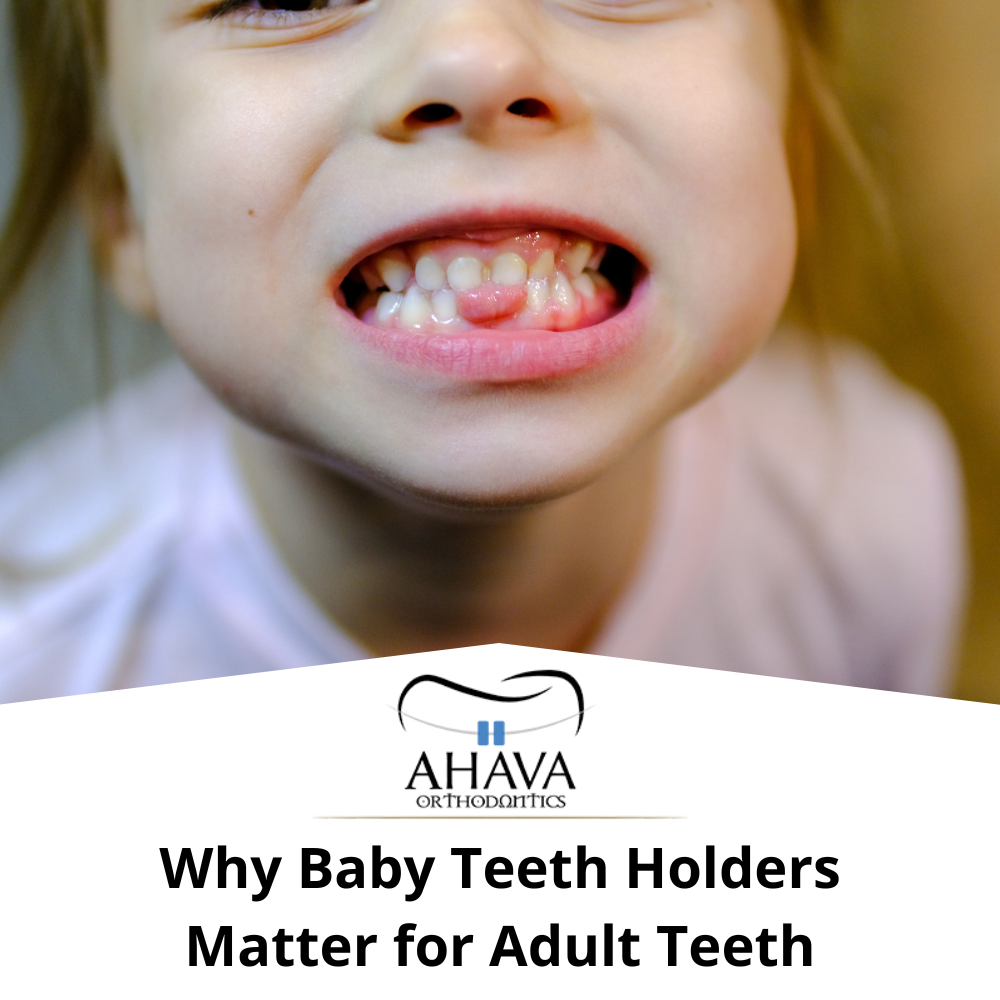
Why Baby Teeth Holders Matter for Adult Teeth
Did your child lose a baby tooth too early—and now you’re wondering if it could affect how their adult teeth come in? Many parents assume baby teeth are temporary and not very important, but they actually play a major role in guiding permanent teeth into the right position. When baby teeth are lost too soon, it can create long-term spacing and alignment problems that may eventually require braces or more complex orthodontic treatment. Why Baby Teeth Are Important for Adult Teeth Development Baby teeth do much more than help children chew and speak. They act as natural placeholders for permanent teeth and help guide proper jaw development as children grow. Healthy baby teeth help: Maintain space for [...]

Can Crooked Teeth Affect My Child’s Confidence
Have you noticed your child hiding their smile in photos, covering their mouth when they laugh, or becoming quieter around others because of their teeth? Many parents in Fort Worth wonder if crooked teeth are only a cosmetic concern, but the truth is they can affect much more than appearance. A child’s smile often plays a major role in confidence, social comfort, and emotional development. The good news is that early orthodontic care can help improve both dental health and self-esteem at the same time. How Crooked Teeth Affect Self Confidence in Children Children become aware of their appearance earlier than many parents realize. When teeth appear crowded, uneven, protruding, or misaligned, kids may begin comparing their [...]
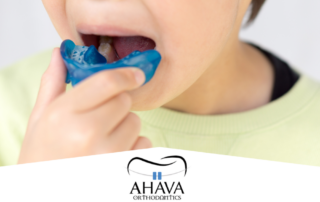
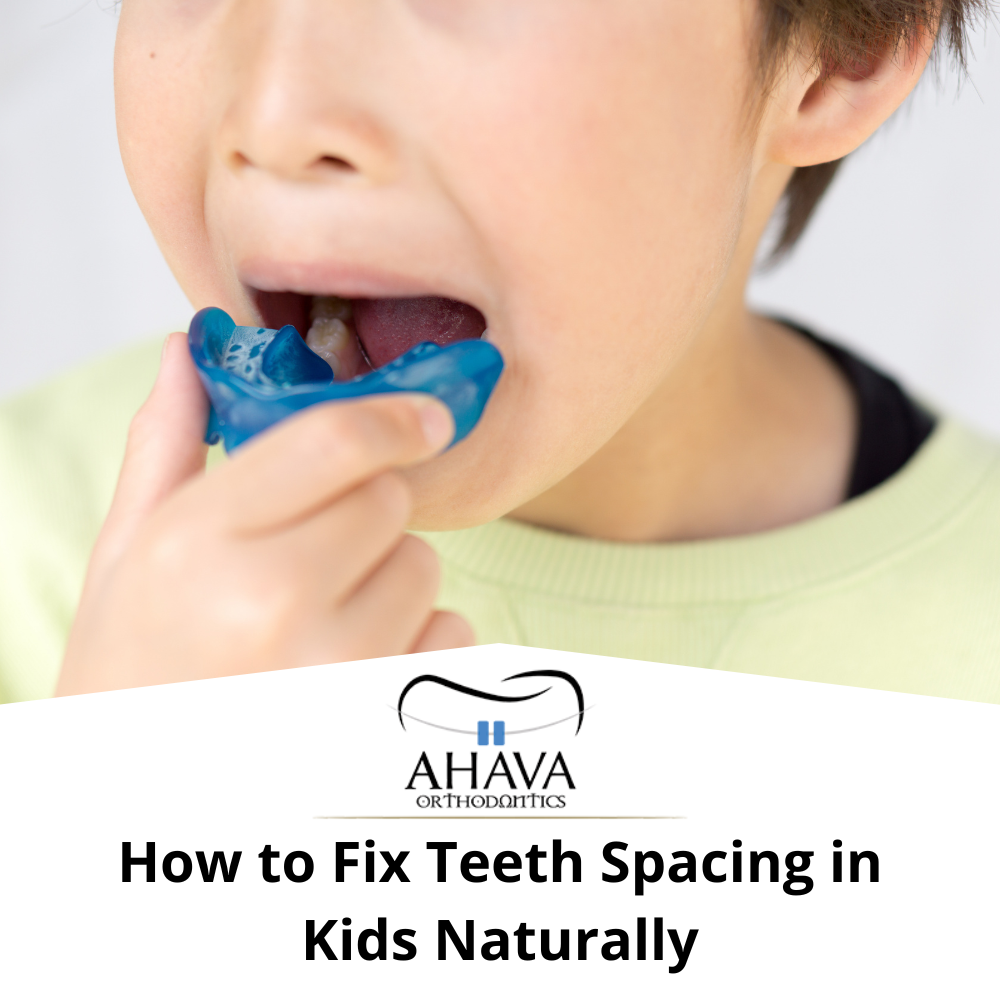
How to Fix Teeth Spacing in Kids Naturally
Ahava Orthodontics helps Fort Worth families understand how to improve teeth spacing in kids naturally by guiding healthy jaw development and correcting habits early. In many cases, spacing and alignment issues are influenced by growth patterns and daily behaviors, not just genetics. Parents often notice gaps or uneven spacing in their child’s teeth and wonder if braces are the only solution. While orthodontic treatment is sometimes needed, early habits and growth support can make a meaningful difference. Is Teeth Spacing in Kids Normal? Spacing in baby teeth is often a good sign. Baby teeth are smaller than adult teeth, so gaps can mean the jaw is growing properly and creating room for permanent teeth. However, not all [...]

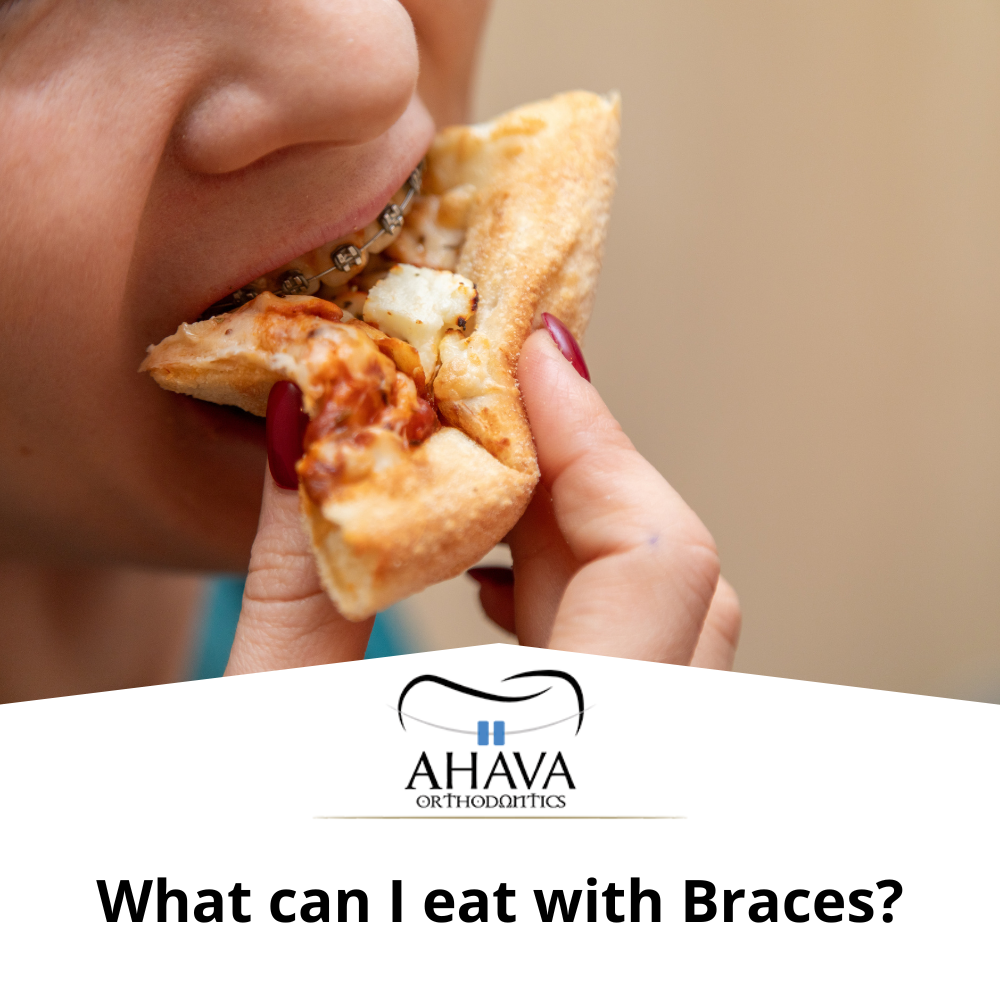
What can I eat with Braces?
Ahava Orthodontics helps Fort Worth families understand what you can eat with braces so kids and teens stay comfortable while protecting their orthodontic treatment. The right food choices help prevent broken brackets, reduce soreness, and keep treatment on schedule. Many patients worry that braces will limit everything they eat. The truth is simpler. With a few adjustments, most kids can still enjoy a wide range of meals while keeping their braces safe. Why Food Choices Matter During Braces Treatment Braces use brackets and wires to gently move teeth over time. These components are strong, but certain foods can still damage them. When brackets break or wires bend, treatment can slow down and require extra visits. Food also [...]
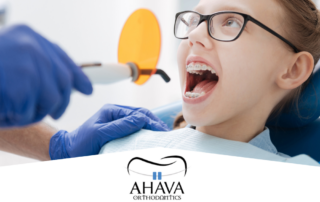
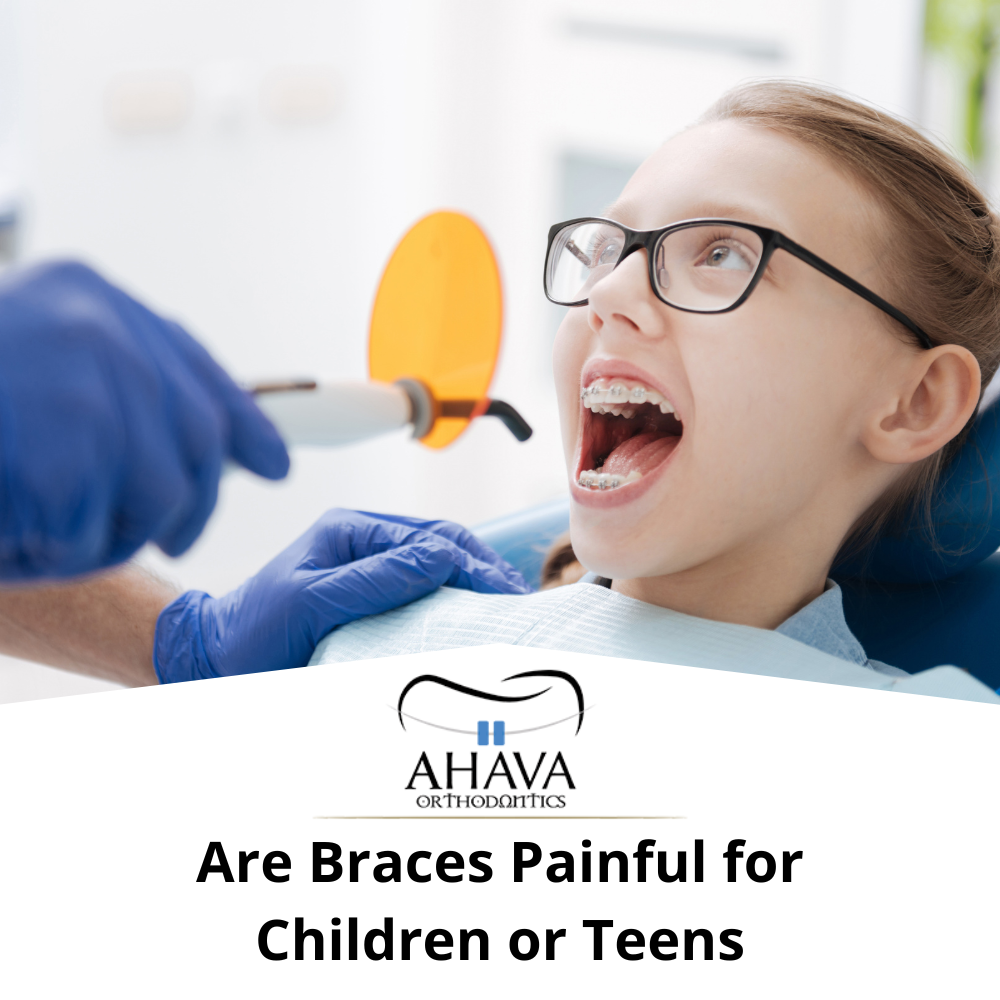
Are Braces Painful for Children or Teens
Ahava Orthodontics helps Fort Worth families understand whether braces are painful for kids and teens and what to expect during orthodontic treatment. While some discomfort is normal, modern braces are designed to be more comfortable than ever. Many parents worry that braces will cause ongoing pain. Kids often feel nervous about what braces might feel like. The reality is much more manageable, especially with today’s technology and supportive care. Do Braces Actually Hurt? Braces do not cause constant pain, but they can create mild discomfort at certain times. This usually happens when braces are first placed or after adjustments. The feeling is often described as pressure rather than sharp pain. This pressure means the braces are working [...]
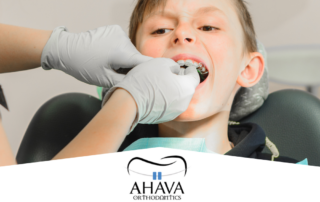
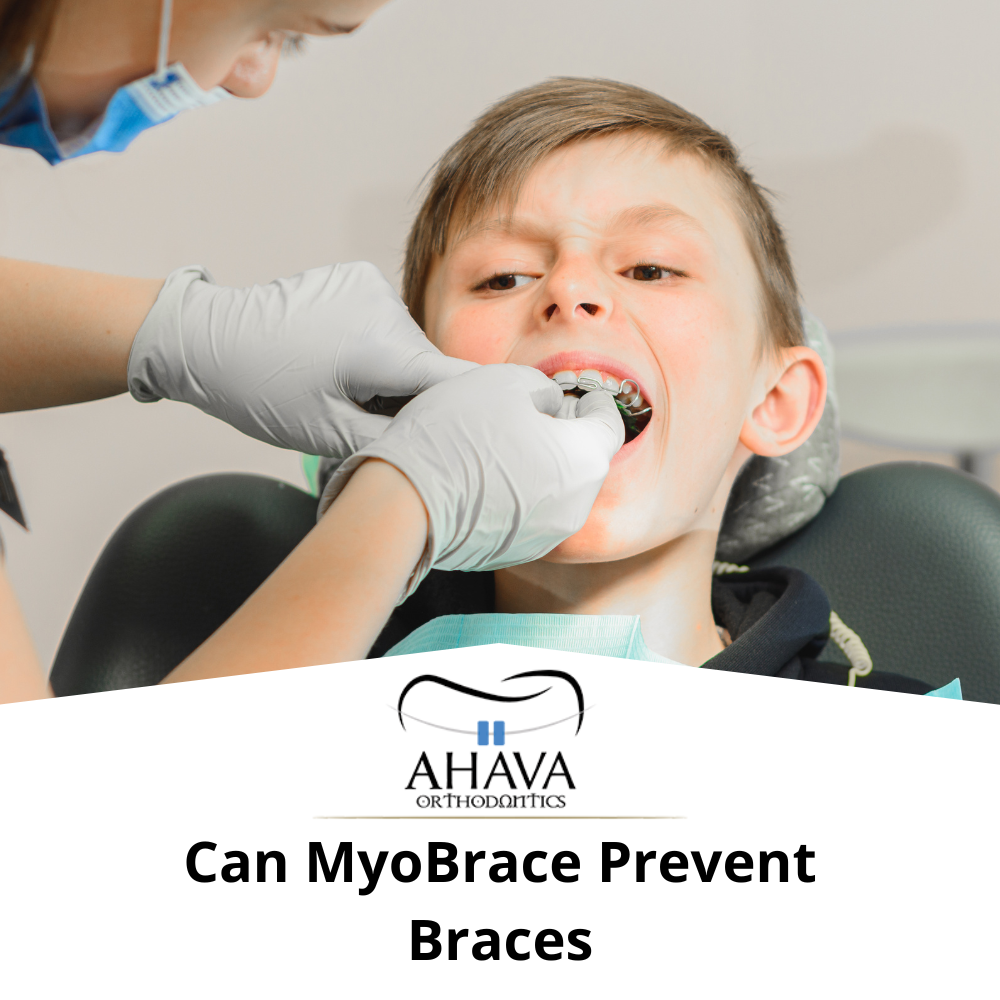
Can MyoBrace Prevent Braces
Ahava Orthodontics helps Fort Worth families understand whether MyoBrace can prevent braces and how early orthodontic care may reduce the need for more complex treatment later. MyoBrace focuses on correcting habits that affect jaw growth and tooth alignment, often before braces are needed. Many parents ask if MyoBrace can completely replace braces. The answer depends on the child’s development, consistency with treatment, and how early intervention begins. In many cases, MyoBrace can improve alignment and reduce the severity of future orthodontic needs. What MyoBrace Is Designed to Do MyoBrace is an early orthodontic system that targets the root causes of crooked teeth instead of just the symptoms. It works by correcting habits like mouth breathing, poor tongue [...]
What Is the Best Type of Braces for My Child
Ahava Orthodontics helps Fort Worth families choose the best type of braces for kids by explaining each option clearly and matching treatment to a child’s needs, lifestyle, and growth stage. Modern orthodontics offers several choices, each designed to correct alignment while keeping kids comfortable and confident. Many parents feel unsure about which braces are right for their child. The best choice depends on how the teeth and jaws are developing, as well as how the child will handle daily care during treatment. Understanding the Different Types of Braces for Kids There is no single “best” option for every child. Orthodontists recommend braces based on alignment needs, bite concerns, and long-term goals. The most common types of braces [...]

What to Do If You Lose Your Retainer
Ahava Orthodontics helps Fort Worth families understand what to do if you lose your retainer and how to protect your smile after orthodontic treatment. Retainers play a critical role in keeping teeth straight, and quick action after losing one can prevent unwanted shifting. Losing a retainer is common, especially for kids and teens with busy schedules. While it may feel stressful at first, knowing the right steps can make the situation easy to manage and help maintain long-term results. Why Retainers Matter So Much After braces or aligners come off, teeth are not fully settled in their new positions. The surrounding bone and gums need time to stabilize. During this period, teeth naturally want to move back. [...]


How to Tell If Your Child Needs MyoBrace
Ahava Orthodontics helps Fort Worth families understand when a child may need MyoBrace and how early signs of poor oral habits can affect long-term tooth and jaw development. MyoBrace focuses on correcting the root causes of crooked teeth—often before braces are needed. Many parents don’t realize that alignment problems often begin with breathing patterns, tongue posture, and daily habits. Recognizing the early signs can help guide treatment at the right time and support healthier growth. What MyoBrace Is Designed to Address MyoBrace is an early orthodontic system that focuses on correcting habits that influence how the mouth develops. Instead of moving teeth directly like braces, it helps guide natural growth by improving how the tongue, lips, and [...]