How to Help Kids Brush Better With Braces
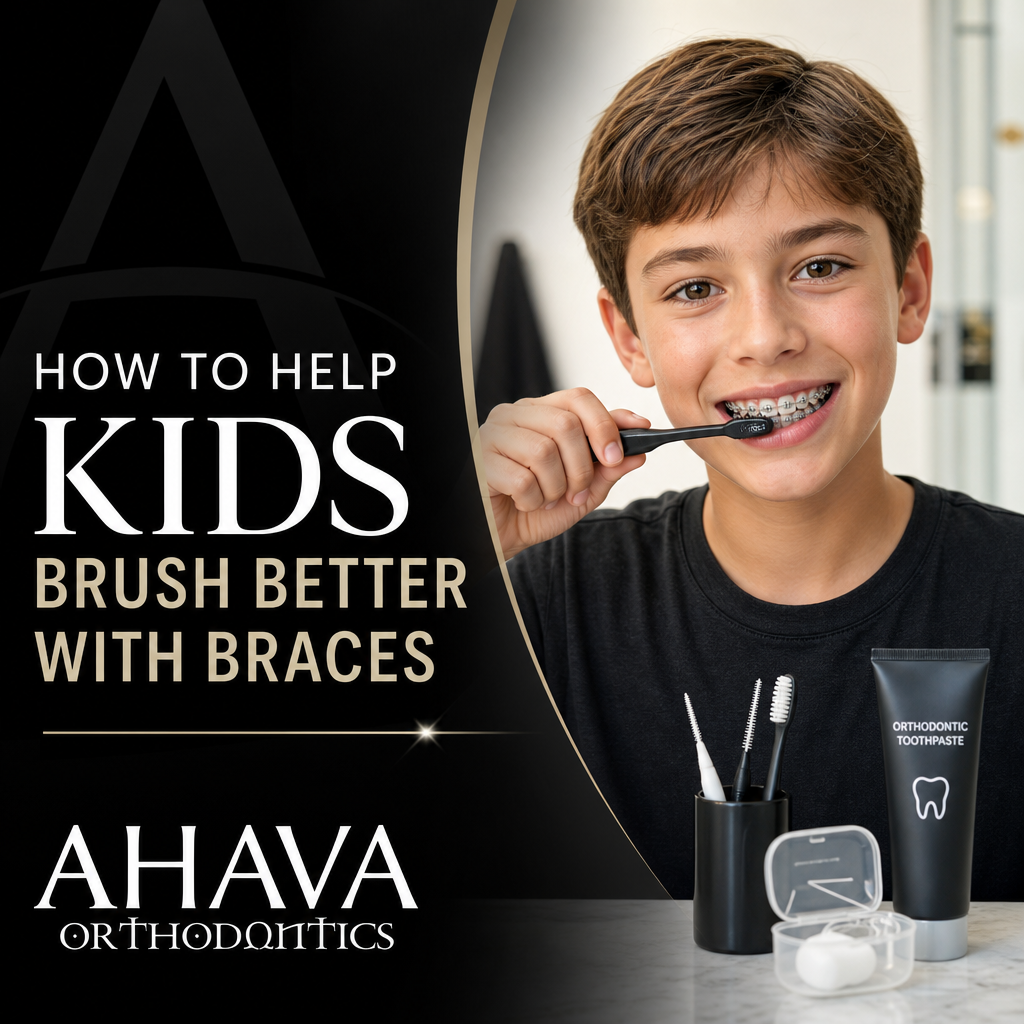
Wondering how to help kids brush better with braces so their orthodontic treatment stays on track and their smile stays healthy?
Helping your child build better brushing habits with braces starts with the right tools, a clear routine, and support from an orthodontic team that understands how kids learn. Braces can trap food around brackets and wires, making daily cleaning more important than ever. At Ahava Orthodontics, we guide families through every stage of braces treatment, helping children and teens protect their teeth while working toward a healthier, more confident smile.
How to Clean Around Brackets and Wires With Braces
Brushing with braces takes more time than brushing without them. Food particles and plaque can collect around brackets, under wires, and along the gumline. If kids rush, they may miss areas that are harder to see, which can lead to white spots, swollen gums, or cavities during orthodontic treatment.
A helpful approach is to teach your child to brush in sections. Have them angle the toothbrush above the brackets, directly on the brackets, and below the brackets. Each area should get gentle, focused attention. A soft-bristled toothbrush or orthodontic toothbrush can make this easier, especially for younger patients who are still developing strong brushing skills.
Parents can also encourage kids to look closely in the mirror after brushing. If they still see food near a bracket or along the wire, they need to go back and clean that spot again. This simple habit builds awareness and helps children become more responsible for their oral hygiene with braces.
Best Toothbrushes and Tools for Kids With Braces
The right supplies can make a big difference. A soft manual toothbrush can work well when used properly, but many kids benefit from an electric toothbrush because the motion helps clean around brackets more thoroughly. The key is not force. Kids should brush gently and slowly, allowing the bristles to reach around the braces.
Interdental brushes are also useful because they fit between brackets and under wires. These small brushes can remove food that a regular toothbrush may miss. Floss threaders or orthodontic flossers help clean between teeth, which remains important even when braces make flossing feel more complicated.
Helpful tools for kids with braces may include:
- A soft-bristled toothbrush or electric toothbrush
- Fluoride toothpaste
- Interdental brushes
- Orthodontic flossers or floss threaders
- A travel toothbrush for school or activities
- Fluoride rinse if recommended by the orthodontist
At Ahava Orthodontics, we help patients and parents understand which tools fit their child’s needs. Personalized guidance matters because every smile, bite, and appliance is different.
A Simple Brushing Routine for Children and Teens in Orthodontic Treatment
A consistent routine helps kids brush better with braces. Ideally, children should brush after breakfast, after school or snacks, and before bed. If brushing after lunch at school is difficult, rinsing with water can help remove loose food until they can brush properly at home.
The bedtime routine is the most important because plaque sitting overnight around braces can cause problems over time. Encourage your child to spend at least two full minutes brushing, though many kids with braces need a little longer. A timer, music, or a brushing app can make the process easier to follow.
Parents should check brushing results regularly, especially during the first few months of orthodontic treatment. This does not have to feel like criticism. A calm reminder such as, “Let’s check around the front brackets together,” can help your child feel supported rather than judged.
Foods That Make Brushing With Braces More Difficult
Certain foods stick to braces and make cleaning harder. Sticky, chewy, crunchy, or hard foods can also damage brackets and wires, which may slow treatment progress. Helping your child make smart food choices is part of protecting both their braces and their long-term results.
Foods like caramel, taffy, gummy candy, popcorn, hard chips, and ice can be risky with braces. Even healthy foods such as apples, carrots, or crusty bread should be cut into smaller pieces to reduce pressure on brackets. This does not mean your child cannot enjoy meals and snacks; it simply means they need to be more careful.
When kids understand that broken brackets may require extra visits and could affect their treatment timeline, they are often more willing to follow instructions. Ahava Orthodontics provides practical guidance so families know what to avoid and what adjustments can make eating with braces easier.
Signs Your Child Needs Help Improving Brushing With Braces
It is common for kids to need extra support, especially early in treatment. Parents should watch for signs that brushing is not reaching all areas. Red or puffy gums, bad breath, visible plaque around brackets, or food remaining after brushing can all point to missed spots.
White marks near brackets may also be a warning sign that plaque is sitting too long on the enamel. These marks can be difficult to correct, which makes prevention very important during kids braces treatment. Regular orthodontic visits give the team a chance to check oral hygiene and offer age-appropriate coaching.
At Ahava Orthodontics, we talk with patients in a friendly, respectful way. Our goal is to help kids feel confident, not embarrassed. When children understand what they need to do and feel encouraged, they are more likely to improve their habits.
What Parents Care About During Braces Treatment for Kids
Parents often want to know how brushing affects comfort, appearance, treatment timelines, and long-term results. Clean teeth and healthy gums help orthodontic appointments go more smoothly because the mouth is better prepared for adjustments. Poor brushing can lead to gum irritation, plaque buildup, and treatment delays if oral health concerns need attention.
Appearance also matters to many kids and teens. Braces are more noticeable when food is stuck around brackets or plaque collects near the gumline. Better brushing helps children feel more comfortable smiling, speaking, and participating in school or social activities during treatment.
Cost considerations are also important for families. Protecting braces, avoiding broken brackets, and keeping teeth healthy can help reduce preventable complications. Choosing the right orthodontist gives parents added peace of mind. Ahava Orthodontics combines modern orthodontic technology, personalized care, and a welcoming office environment to help children and teens stay on track from consultation through retainers.
If you’re looking for Help With Kids Brushing Better With Braces
If you’re looking for practical support to help your child brush better with braces, Ahava Orthodontics is here to guide your family. Our team helps kids and teens understand how to care for their braces, protect their teeth, and build habits that support long-term oral health.
From the first consultation to routine adjustments and retainers, we focus on a comfortable patient experience and personalized orthodontic treatment. Whether your child needs braces, your teen is comparing treatment options, or your family is planning ahead for bite alignment and smile correction, we provide clear guidance every step of the way.
Schedule a consultation with Ahava Orthodontics to learn more about braces for kids, orthodontic care for teens, and flexible treatment options designed to support healthier, more confident smiles.