How to Tell If Your Child Needs MyoBrace
Ahava Orthodontics helps Fort Worth families understand when a child may need MyoBrace and how early signs of poor oral habits can affect long-term tooth and jaw development. MyoBrace focuses on correcting the root causes of crooked teeth—often before braces are needed.
Many parents don’t realize that alignment problems often begin with breathing patterns, tongue posture, and daily habits. Recognizing the early signs can help guide treatment at the right time and support healthier growth.
What MyoBrace Is Designed to Address
MyoBrace is an early orthodontic system that focuses on correcting habits that influence how the mouth develops. Instead of moving teeth directly like braces, it helps guide natural growth by improving how the tongue, lips, and jaw function.
Children who benefit from MyoBrace often show patterns that affect how their jaws grow or how their teeth come in. These patterns can start early and gradually lead to crowding or bite problems if not addressed.
Families can learn more about early orthodontic care on our Early Treatment page.
Common Signs Your Child May Need MyoBrace
Parents are often the first to notice small habits that can affect development. These signs may seem minor at first but can have a long-term impact on alignment and jaw growth.
Some of the most common indicators include:
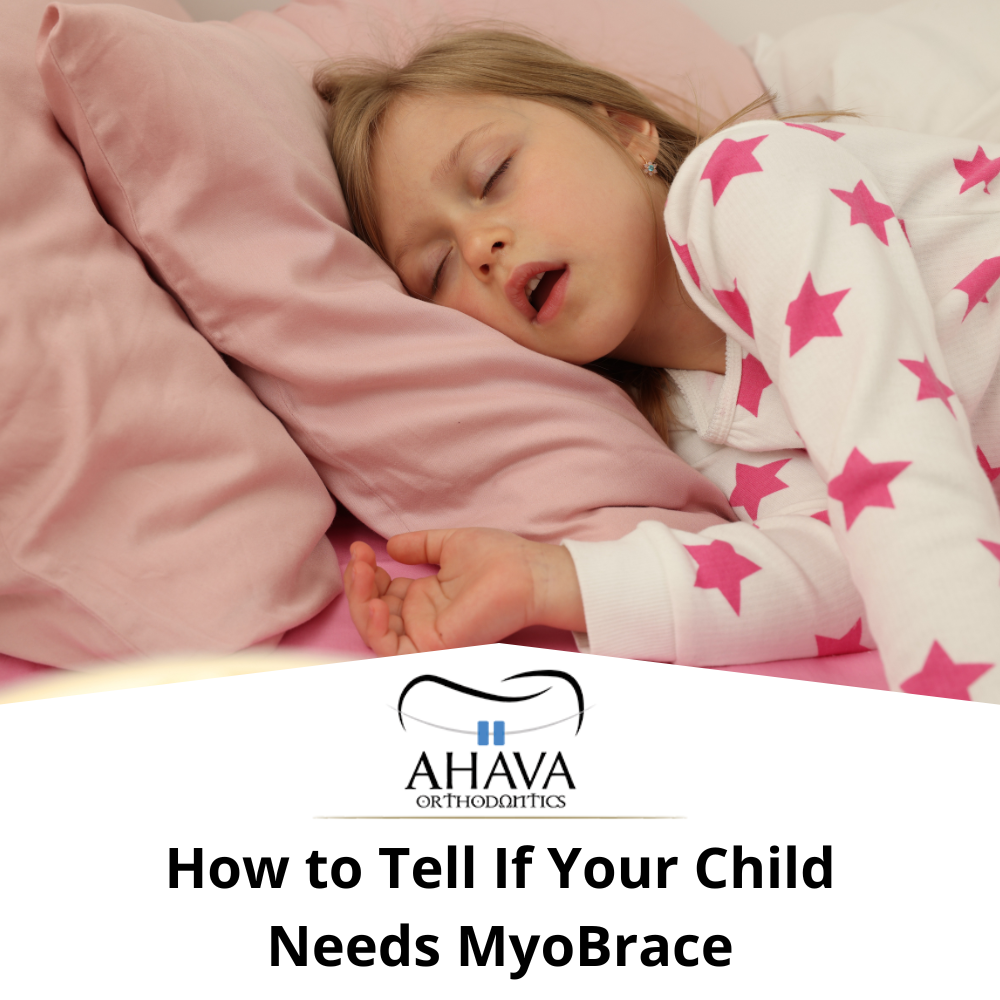
- Frequent mouth breathing, especially during sleep
- Lips that stay open at rest instead of closed
- Tongue resting low in the mouth instead of on the roof
- Thumb-sucking or extended pacifier use
- Snoring or restless sleep
These habits can prevent the upper jaw from developing properly and may lead to crowding or narrow arches over time.
How Mouth Breathing Affects Development
One of the strongest indicators that a child may benefit from MyoBrace is mouth breathing. When a child breathes through their mouth instead of their nose, the tongue drops down instead of resting against the roof of the mouth.
This can limit upper jaw development and lead to:
- Narrow dental arches
- Crowded teeth
- Changes in facial growth
Addressing breathing patterns early helps support healthier jaw development. You can explore related airway concerns on our Sleep Apnea page.
Early Alignment and Spacing Concerns
Crowding does not always start when permanent teeth come in. In many cases, the signs appear earlier during the baby-tooth stage.
Parents may notice:
- Little to no spacing between baby teeth
- Teeth erupting in unusual positions
- Early signs of crowding in the front teeth
These patterns often suggest that the jaw may not have enough room for permanent teeth later. MyoBrace can help guide development before crowding becomes more severe.
For more advanced alignment concerns, parents can review options on our Braces page.
Speech and Swallowing Patterns
Speech and swallowing habits are closely connected to oral development. Children who struggle with certain sounds or push their tongue forward when swallowing may have improper tongue posture.
This pattern, often called tongue thrusting, can affect how teeth align over time. MyoBrace helps train the tongue to rest and function correctly, which supports both speech and alignment.
When to Schedule an Evaluation
The American Association of Orthodontists recommends that children receive an orthodontic evaluation by age 7 (https://aaoinfo.org/). This allows orthodontists to identify early growth concerns and determine whether MyoBrace or another treatment may be helpful.
An evaluation includes a review of:
- Breathing patterns
- Tongue posture
- Jaw development
- Tooth eruption
Most children do not need immediate treatment, but early awareness helps parents make informed decisions.
What Fort Worth Parents Care About Most
Parents often want to know whether MyoBrace is necessary or if their child will outgrow certain habits. At Ahava Orthodontics, recommendations are based on long-term development, not quick fixes.
Families appreciate understanding how small habits can lead to larger orthodontic concerns over time. Early treatment is only suggested when it provides clear benefits.
One Fort Worth parent shared:
“We didn’t think mouth breathing was a big deal until the orthodontist explained how it affected our child’s jaw. Starting MyoBrace early made a noticeable difference.”
That kind of clarity helps parents feel confident in their decisions.
How MyoBrace Treatment Works Over Time
MyoBrace treatment includes wearing a removable appliance for a short time each day and overnight. Children also complete simple exercises that train proper breathing and tongue posture.
Consistency is key. As habits improve, the jaws can develop more naturally, creating space for permanent teeth and improving alignment.
This early approach often reduces the need for more complex orthodontic treatment later.
The Long-Term Benefits of Early Intervention
When MyoBrace is used at the right time, it supports natural growth instead of correcting problems after they develop. This can lead to better spacing, improved breathing, and healthier oral function.
Children who address these habits early often experience smoother orthodontic treatment later, if needed.
Get the Help You Need
If you’re looking for answers about whether your child may need MyoBrace, call 817-926-9777 to schedule an evaluation. Ahava Orthodontics will assess development, explain your options, and create a plan for healthy growth.