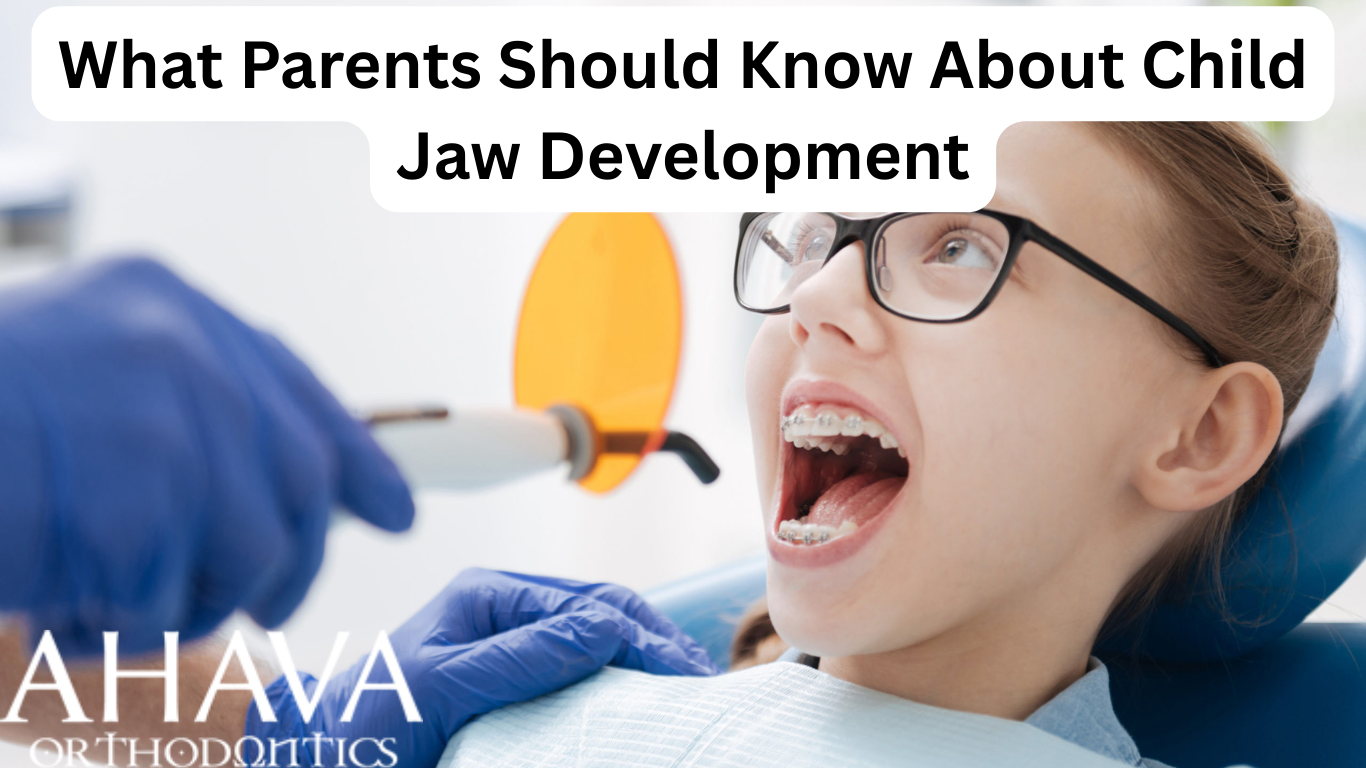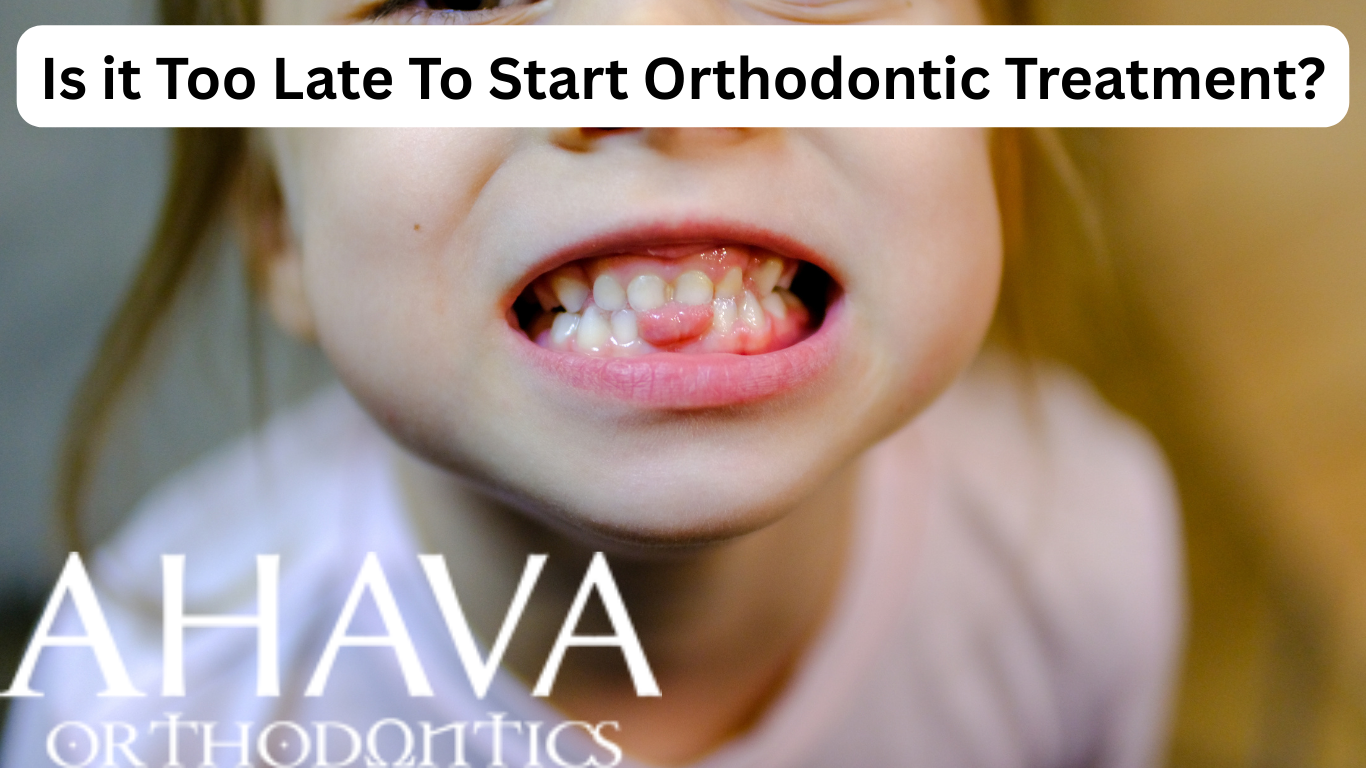
Ahava Orthodontics helps Fort Worth parents understand why a child’s jaw may grow unevenly and what early orthodontic care can do to correct it. The team explains the causes, signs, and treatment options so families can act before the issue becomes more complex.
Uneven jaw growth can appear gradually. You might notice your child’s bite looks “off,” their smile seems crooked, or one side of the face appears fuller than the other. While this can sound alarming, early orthodontic evaluation often prevents bigger problems later.
What Causes Uneven Jaw Growth in Children
A child’s jaw growing unevenly can have several causes. Some are genetic, while others develop from habits or growth patterns.
Common causes include:
-
Genetics — inherited bone structure differences between the upper and lower jaw.
-
Prolonged thumb-sucking or pacifier use — can push the upper jaw forward or narrow the palate.
-
Mouth breathing — often linked to allergies or airway obstruction, which can affect jaw width and posture.
-
Early tooth loss or crowding — may shift bite alignment and cause uneven pressure during growth.
-
Injury or trauma — can influence bone development if one side heals differently.
An orthodontic evaluation around age 7 helps catch these issues early. Learn more about first visits on our Early Treatment page.
Signs Your Child’s Jaw May Be Growing Unevenly
Parents are often the first to notice small differences. Here are signs worth mentioning to your orthodontist:
-
Jaw looks asymmetrical when smiling or at rest
-
Lower jaw shifts to one side when closing the mouth
-
Teeth don’t meet evenly when biting down
-
Difficulty chewing or speech issues
-
Frequent mouth breathing or snoring
Even mild differences can affect how teeth come together, which can lead to crowding or bite imbalance over time. A quick orthodontic checkup can determine whether your child’s jaw growth is within normal range.
Why Early Intervention Matters
Jaw growth is most adaptable between ages 7 and 12, when the bones are still developing. If caught early, orthodontic treatment can guide growth rather than correct it later through surgery.
Early treatments might include:
-
Palatal expanders to widen a narrow upper jaw
-
Functional appliances (like a Herbst or MARA) to reposition the lower jaw
-
Braces or limited appliances to align teeth and balance the bite
Guided growth helps ensure the jaws fit together properly as permanent teeth arrive. Addressing uneven development early can also improve speech, chewing, and even facial balance. Explore growth-focused solutions on our Jaw Repositioning page.
What Happens If Uneven Jaw Growth Goes Untreated
Without correction, an uneven jaw can lead to long-term dental and facial issues, such as:
-
Misaligned bites (crossbite, overbite, or underbite)
-
Asymmetrical facial appearance
-
Jaw joint strain or TMJ discomfort
-
Worn or cracked teeth from uneven pressure
-
Difficulty with chewing and speech
In severe cases, orthognathic surgery may be required in adulthood to realign the jaws. Preventive care during childhood is far less invasive and typically more comfortable. Read more about surgical correction on our Orthognathic Surgery page.
How Orthodontists Diagnose Jaw Growth Issues
An orthodontic evaluation includes more than just a visual check. At Ahava Orthodontics, the team uses:
-
Digital x-rays and 3D imaging to assess bone development
-
Bite analysis to see how upper and lower teeth meet
-
Growth tracking to monitor changes over time
These tools allow for accurate, customized treatment planning. Parents receive clear explanations about what’s happening and what steps may be needed next.
For additional background, the American Association of Orthodontists offers resources on early orthodontic assessments.
What Fort Worth Parents Care About Most
Parents want to know three things: how serious the problem is, whether it can be fixed, and what treatment will feel like for their child. At Ahava Orthodontics, families get honest answers, realistic timelines, and caring support at every stage.
Comfort is a top priority. Children are guided through treatment with gentle adjustments and clear communication. Parents receive progress updates, and any questions are answered right away.
One Fort Worth parent shared:
“We noticed our son’s lower jaw shifting when he chewed. The orthodontist explained the cause, fitted a growth appliance, and within months, his bite started improving. I’m so glad we caught it early.”
Get the Help You Need
When you notice your child’s jaw growing unevenly, call 817-926-9777 to schedule an evaluation. The team at Ahava Orthodontics will examine growth patterns, explain next steps, and design a plan that helps your child’s smile — and jaw — grow in harmony.