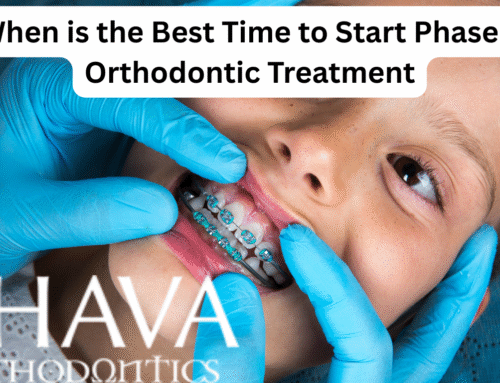
Ahava Orthodontics helps Fort Worth families understand when to start Phase 2 orthodontic treatment and why timing plays a critical role in creating a straight, stable smile. This stage focuses on aligning permanent teeth and refining the bite after most adult teeth have erupted.
Parents often ask whether their child is ready for braces or if they should wait. The answer depends on growth, tooth eruption, and bite development. Here’s how orthodontists determine the ideal timing for Phase 2 treatment.
What Phase 2 Orthodontic Treatment Is
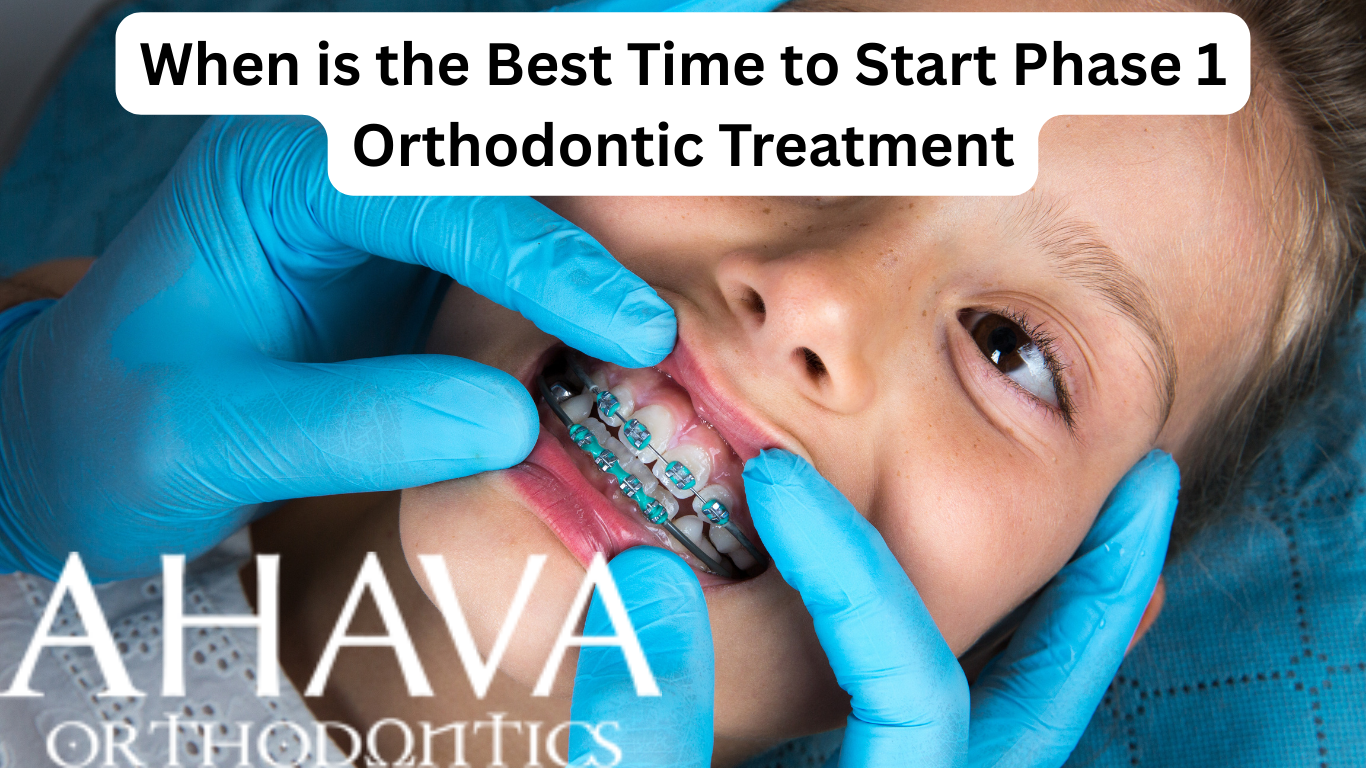
Phase 2 orthodontic treatment is the comprehensive stage of orthodontics that straightens permanent teeth and perfects bite alignment. It typically follows Phase 1 treatment, though many children begin orthodontic care directly with Phase 2.
This stage focuses on:
-
Aligning all permanent teeth
-
Correcting bite issues such as overbite, underbite, and crossbite
Because permanent teeth are in place, orthodontists can make precise adjustments that support long-term stability.
You can learn more about alignment options on our Braces page.
The Ideal Age Range for Phase 2
For most children, the best time to begin Phase 2 orthodontic treatment is between ages 11 and 14. By this point, most or all permanent teeth have erupted, and jaw growth is nearing completion.
Orthodontists look for specific signs before recommending treatment, including full eruption of key adult teeth and enough maturity to maintain oral hygiene with braces or aligners.
The American Association of Orthodontists recommends early evaluations so timing decisions can be made with growth in mind.
Why Starting Too Early Can Extend Treatment
Beginning Phase 2 before most permanent teeth are present may lead to longer overall treatment time. Teeth that have not yet erupted can shift during growth, requiring additional adjustments later.
Orthodontists prefer to start when:
-
Adult teeth are fully or nearly fully erupted
-
Jaw growth has progressed enough for stable alignment
Waiting for this window allows for efficient correction in one coordinated phase.
Families who completed early intervention can learn more about that stage on our Early Treatment page.
Why Waiting Too Long May Create Challenges
Delaying Phase 2 orthodontic treatment too long can also create complications. As teens grow, bite problems may become more noticeable. Crowding can worsen, and jaw alignment concerns may become harder to correct.
When treatment begins during the early teen years, orthodontists can still take advantage of remaining growth to fine-tune bite alignment.
In rare cases where jaw growth issues remain untreated into adulthood, more advanced correction such as jaw surgery may be necessary. Information about those cases is available on our Orthognathic Surgery page.
Signs Your Child May Be Ready for Phase 2
Parents often wonder how to tell if it’s time. While an orthodontic evaluation provides the clearest answer, certain signs may indicate readiness:
-
Most baby teeth have fallen out
-
Permanent teeth appear crowded or misaligned
-
Bite does not close evenly
-
Jaw shifts when chewing
-
Previous Phase 1 treatment has been completed
Even if everything looks normal, a professional evaluation ensures the timing is right.
How Long Phase 2 Treatment Usually Lasts
Phase 2 orthodontic treatment typically lasts 18 to 24 months. Treatment length depends on alignment goals, bite complexity, and patient cooperation.
Regular visits every 6 to 8 weeks allow the orthodontist to adjust braces or monitor aligner progress. Wearing elastics as directed and maintaining strong oral hygiene helps keep treatment on schedule.
Because permanent teeth are fully present, this stage focuses on final precision rather than major growth changes.
What Fort Worth Parents Care About Most
Parents want reassurance that they are not starting too early or too late. At Ahava Orthodontics, treatment timing is based on growth markers and individual development—not age alone.
Families appreciate knowing:
-
Whether their child truly needs braces now
-
How long treatment is expected to last
-
What results to expect
One Fort Worth parent shared:
“We weren’t sure if our son was ready for braces, but the orthodontist explained why this was the perfect time. Treatment went smoothly, and his smile looks amazing.”
Clear explanations reduce uncertainty and build confidence.
What Happens After Phase 2 Ends
After braces or aligners are removed, retainers help maintain alignment while final growth settles. Retainers are essential to prevent shifting and protect long-term results.
Families can learn more about retention on our Retainers page.
Consistent retainer wear supports the hard work completed during Phase 2 orthodontic treatment.
The Key Takeaway About Timing
The best time to start Phase 2 orthodontic treatment is when most permanent teeth have erupted and jaw growth is nearing completion—typically between ages 11 and 14.
Early evaluations ensure that this window is not missed. Starting at the right moment supports efficient treatment, balanced bites, and long-term stability.
Get the Help You Need
When you’re wondering if it’s the right time to start Phase 2 orthodontic treatment, call 817-926-9777 to schedule an evaluation. Ahava Orthodontics will assess growth, explain timing clearly, and create a personalized plan for long-term success.