Ahava Orthodontics helps Fort Worth families understand what causes crowding in kids’ teeth and how early evaluation can prevent bigger problems later. The team explains the most common reasons for crowding, what signs to watch for, and how early orthodontic care can guide healthy growth.
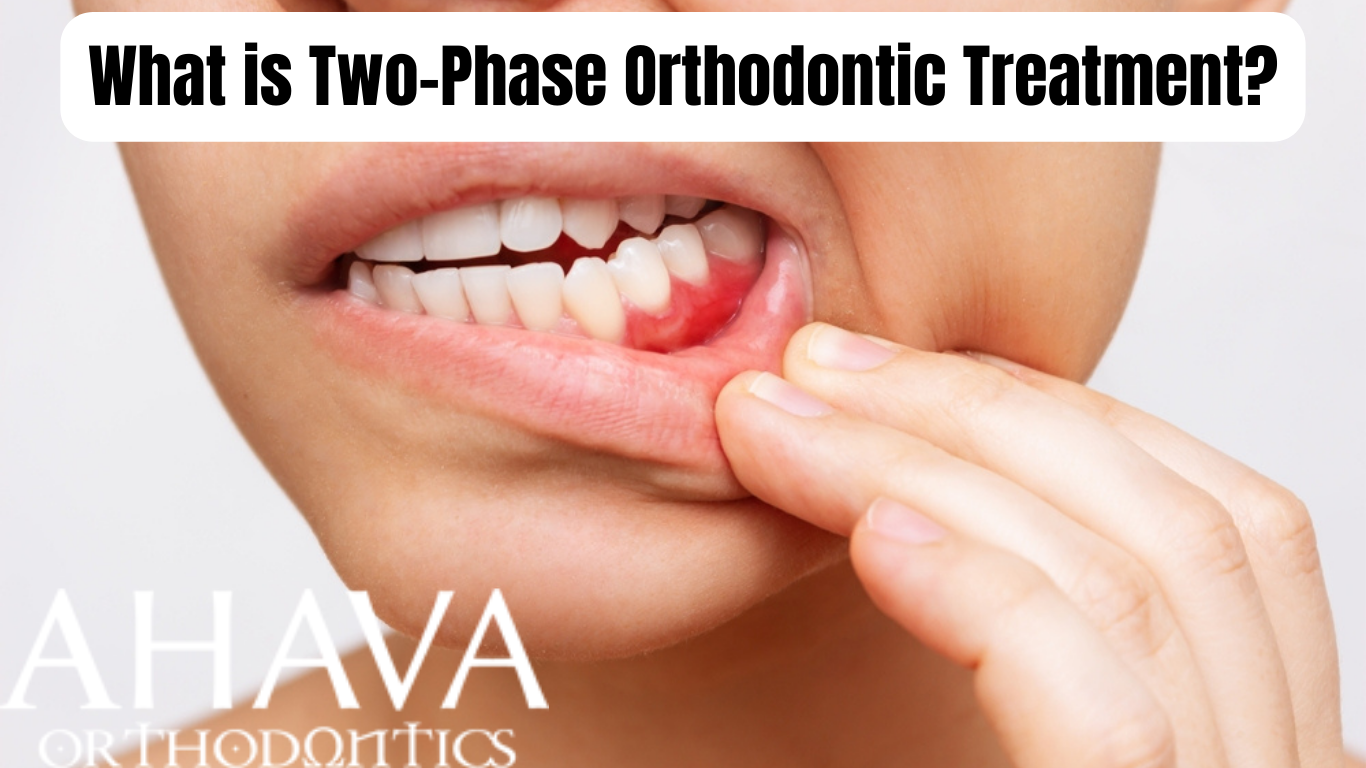
Crowding often shows up as baby teeth fall out and adult teeth begin to erupt. Parents may notice teeth overlapping, twisting, or erupting in unusual positions. While crowding is very common, the underlying causes can vary. Here’s a clear look at why it happens and what families can do about it.
Genetics: The Most Common Cause of Crowding
A child may inherit a small jaw from one parent and larger teeth from the other. When there isn’t enough space for adult teeth to line up properly, crowding in kids’ teeth is likely to occur.
Jaw size and tooth size play important roles in how teeth naturally fit together. Even if baby teeth look straight, adult teeth are bigger and may struggle to fit without guidance.
Genetics can also influence the width of the upper jaw, the angle of erupting teeth, and the timing of tooth development. Because of this, orthodontists recommend early screenings around age 7. Learn more on our Early Treatment page.
Losing Baby Teeth Too Early or Too Late
Baby teeth act as natural “placeholders” for adult teeth. When kids lose them:
-
Too early: The surrounding teeth drift into the empty space, leaving less room for adult teeth.
-
Too late: Adult teeth may erupt in unusual positions, causing overlap or rotation.
Tooth loss from decay, injury, or natural variation can all affect spacing. In some cases, a simple space maintainer can help keep things on track. An orthodontic checkup helps determine whether intervention is needed.
Mouth Breathing and Airway Problems
Many parents are surprised to learn that mouth breathing can contribute to crowded teeth. When a child breathes through their mouth instead of their nose, the tongue rests low in the mouth instead of supporting the upper jaw. Over time, this can lead to:
-
A narrow upper jaw
-
A high palate
-
Insufficient space for adult teeth
Airway-related crowding may be linked to allergies, enlarged tonsils, or other breathing concerns. Addressing the cause early helps teeth and jaws develop normally. Learn more about airway-focused orthodontics on our Sleep Apnea page.
Thumb-Sucking and Prolonged Pacifier Use
Thumb-sucking and pacifier use are normal in infants, but continuing these habits after age 3–4 can affect jaw growth. The pressure from sucking can push the upper teeth forward or narrow the upper jaw, creating crowding as permanent teeth erupt.
In these cases, orthodontists may recommend gentle habit-breaking strategies or early appliances to guide proper jaw development.
Not Enough Space in the Jaw
Some children naturally have smaller jaws that don’t leave enough room for adult teeth. This is called dental arch constriction, and it often leads to overlapping or tipped teeth.
A narrow upper jaw may also cause bite issues, such as crossbite or shifting of the lower jaw. Early expanders can widen the jaw, create space, and reduce crowding as adult teeth come in. See how expanders work on our Jaw Repositioning page.
Crowding Caused by Tooth Size Differences
Not all teeth are the same size. If a child has naturally large or mismatched tooth sizes, crowding can occur even when the jaw is well-developed. Genetics, developmental variations, and timing of eruption can all play a role.
Orthodontists analyze tooth shape, size, and positioning during an evaluation to determine the right plan.
Signs Parents Should Watch For
Crowding may be obvious, but early signs often appear before adult teeth fully erupt. Parents should watch for:
-
Overlapping or twisting baby teeth
-
Teeth erupting behind or in front of others
-
A narrow or V-shaped smile
-
Difficulty flossing between tight spaces
-
Jaw shifting when biting down
If you notice any of these signs, an orthodontic exam can provide clarity.
The American Association of Orthodontists recommends all children have an orthodontic checkup by age 7 — even if teeth look straight.
What Happens If Crowding Goes Untreated?
Without treatment, crowding can lead to long-term issues like:
-
Gum inflammation due to difficulty cleaning
-
Tooth wear or chipping
-
Increased cavity risk
-
Bite imbalance
-
Lower confidence in smiling
In some severe cases, late correction may require tooth removal or jaw treatment in the teen years. Early guidance helps avoid these outcomes.
To manage long-term alignment, your orthodontist may recommend retainers after treatment. Learn more on our Retainers page.
What Fort Worth Parents Care About Most
Parents want to know whether crowding will correct itself. Unfortunately, most cases do not improve without orthodontic guidance.
What helps is early evaluation. At Ahava Orthodontics, children receive a gentle exam, digital imaging, and a clear explanation of what to expect as they grow. Treatment may range from simple monitoring to early intervention like expanders or limited braces.
One Fort Worth parent shared:
“We noticed our daughter’s teeth overlapping as her adult teeth came in. Ahava explained the cause and gave us a plan. Now her smile looks amazing, and everything stayed on track.”
Get the Support You Need
For more support with crowding in kids’ teeth, call 817-926-9777 to schedule an evaluation. Ahava Orthodontics will explain what’s causing the crowding and create a personalized plan that supports healthy growth.