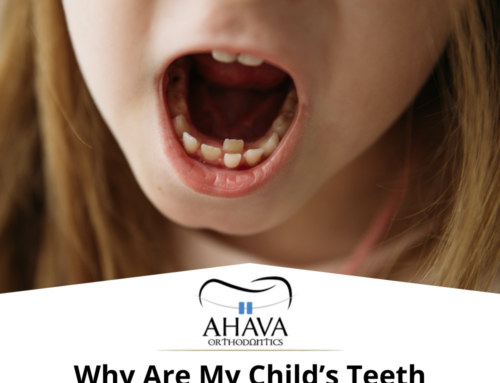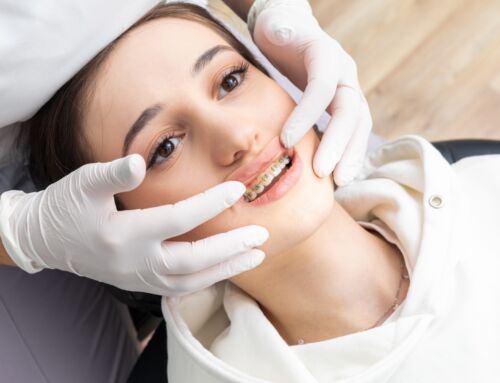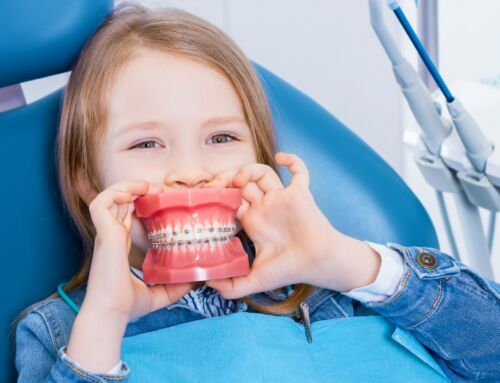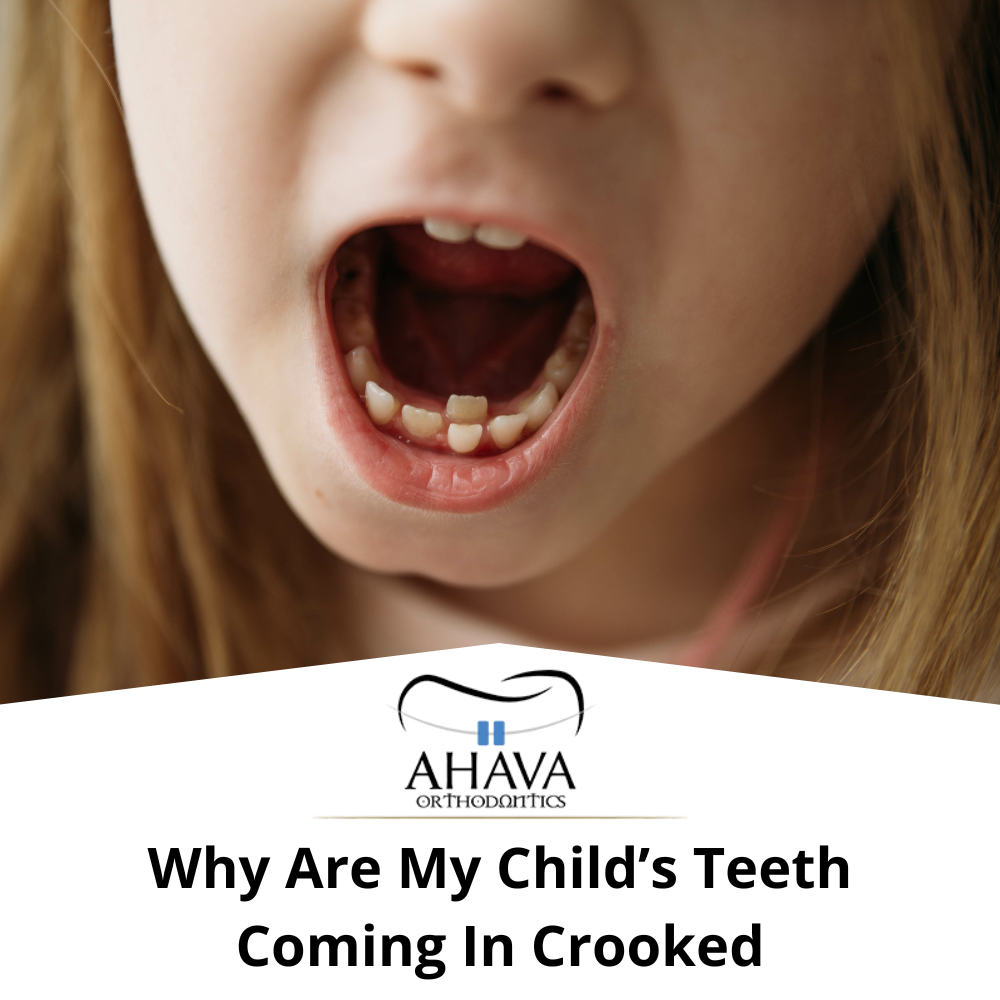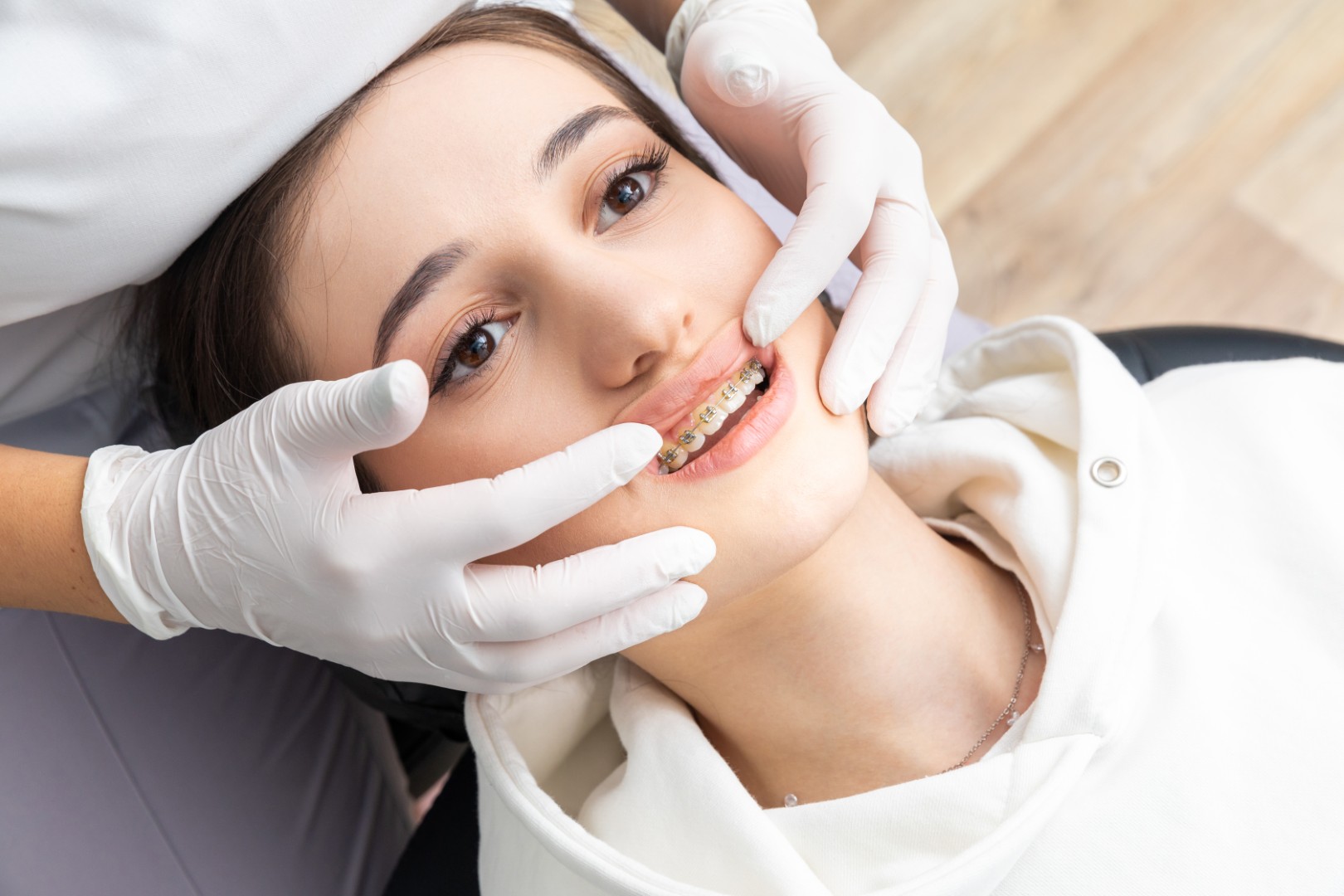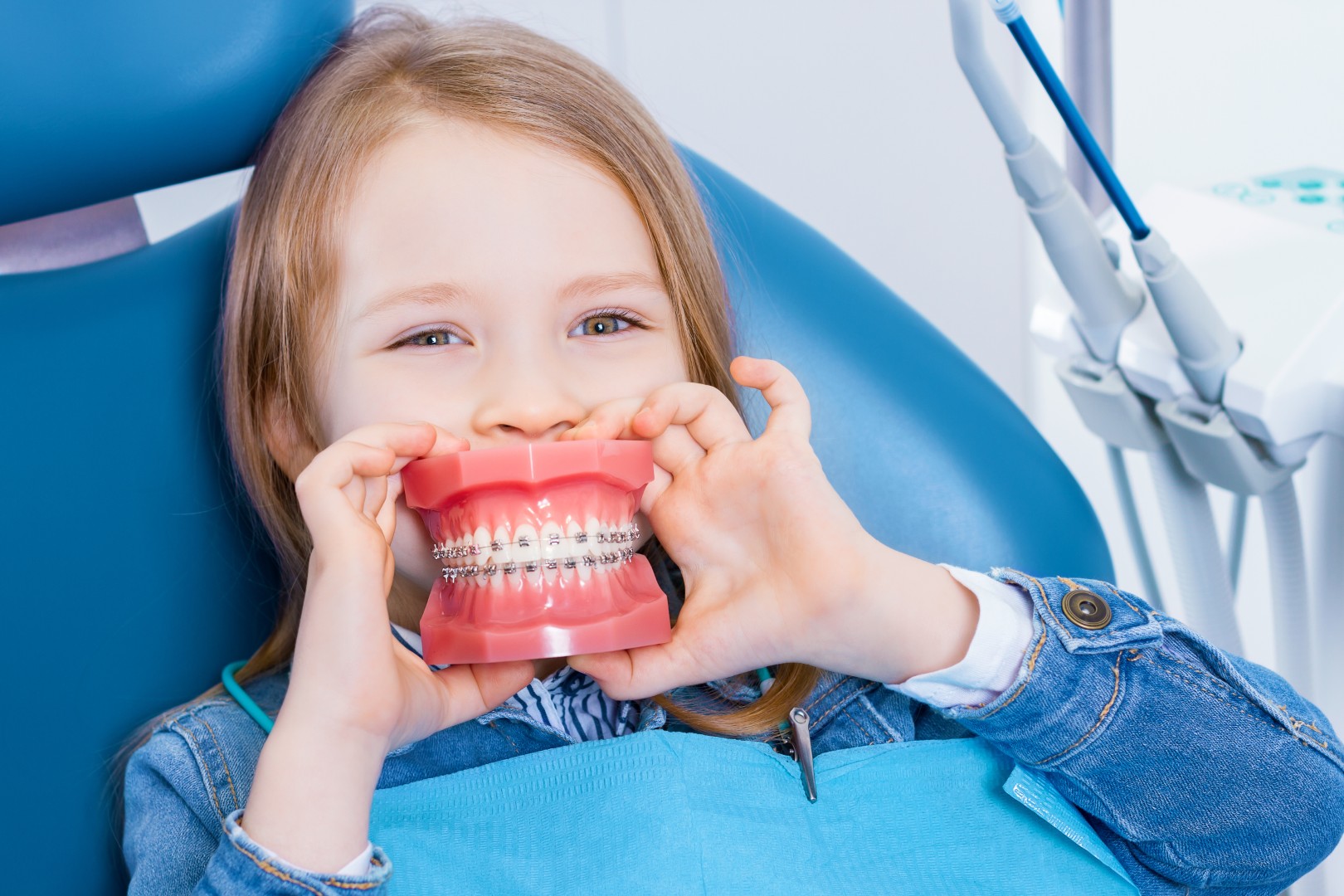
What age should your child first see an orthodontist—and are you already behind if you haven’t gone yet? This is one of the most common questions parents ask, especially when they start noticing crowding, gaps, or bite issues. The timing of that first visit can play a major role in how simple—or complex—your child’s orthodontic journey becomes.
Best Age for First Orthodontic Visit
The recommended age for a child’s first orthodontic evaluation is around age 7. This might seem early, especially if baby teeth are still present, but this stage is critical for identifying how the teeth and jaw are developing together.
By age 7, most children have a mix of baby teeth and permanent teeth. This allows an orthodontist to detect early signs of:
- Crowding or spacing issues
- Bite problems like overbite or underbite
- Jaw growth concerns
- Harmful oral habits
An early visit doesn’t always mean immediate treatment—it means getting ahead of potential problems.
Early Orthodontic Evaluation Is Important
An early orthodontic evaluation gives you a clear picture of your child’s dental development before issues become more severe. It allows for monitoring and, when needed, early intervention.
Benefits of early evaluation include:
- Guiding proper jaw growth
- Creating space for incoming adult teeth
- Reducing risk of impacted or crooked teeth
- Preventing more complex treatment later
- Improving overall facial development
Instead of reacting to problems later, early care focuses on prevention and guidance.
Signs Your Child May Need to See an Orthodontist Early
While age 7 is a general guideline, some children may benefit from seeing an orthodontist even earlier. Parents should watch for common warning signs.
Look for:
- Early or late loss of baby teeth
- Difficulty chewing or biting
- Mouth breathing
- Thumb sucking past age 4–5
- Crowded, crooked, or protruding teeth
- Jaws that shift or make sounds
- Biting the cheek or roof of the mouth
If you notice any of these, it’s a good idea to schedule an evaluation sooner rather than later.
When Do Kids Actually Get Braces?
A common misconception is that visiting an orthodontist at age 7 means getting braces right away. In reality, most children begin braces treatment between ages 10 and 14, when most permanent teeth have come in.
Early visits are about:
- Monitoring growth
- Planning the right timing
- Preventing worsening issues
In many cases, no immediate treatment is needed—just periodic check-ins to track development.
What Is Early Orthodontic Treatment (Phase 1)?
Some children benefit from early orthodontic treatment, also known as Phase 1. This type of care focuses on guiding jaw development and addressing issues before all permanent teeth erupt.
Phase 1 treatment may include:
- Palatal expanders to widen the upper jaw
- Habit correction appliances
- MyoBrace to improve oral habits and development
This stage typically happens between ages 7 and 10 and can reduce the need for more extensive treatment later.
How MyoBrace Supports Early Development
For many younger patients, the issue isn’t just tooth alignment—it’s how the mouth is functioning. Habits like mouth breathing, incorrect tongue posture, and poor swallowing patterns can all affect jaw growth.
MyoBrace is a preventive system designed to address these habits early. It works by:
- Training the tongue to rest properly
- Encouraging nasal breathing
- Supporting natural jaw expansion
- Creating space for adult teeth
By correcting the root cause, MyoBrace can often reduce the need for braces or shorten treatment time later.
Pediatric Orthodontics and Long-Term Benefits
Seeing a pediatric orthodontist early offers long-term advantages that go beyond straight teeth. Proper alignment and jaw development contribute to overall oral health and function.
Early care can:
- Improve speech development
- Make brushing and flossing easier
- Reduce risk of cavities and gum issues
- Prevent jaw pain and bite problems
- Support balanced facial growth
The earlier you understand your child’s needs, the more options you have for treatment.
What Parents Really Want to Know
Most parents aren’t just asking about age—they’re asking if they’re making the right decision for their child. The biggest concerns usually revolve around timing, cost, and whether treatment is truly necessary.
Here’s what matters most:
First, early visits are about information, not commitment. You’re not signing up for braces—you’re getting expert guidance.
Second, waiting too long can limit options. Some treatments are only effective while a child is still growing.
Third, early care can actually save time and money by preventing more complex issues later.
Finally, orthodontic care today is more comfortable and flexible than ever, with options designed specifically for children.
If You’re Wondering When to Start, Now Is the Right Time
If you’re asking “What age should my child first see an orthodontist?”, the safest answer is: sooner than you think. An early evaluation around age 7 gives you the clarity and confidence to make the best decisions for your child’s smile.
When you need guidance, early insight, and a team that understands growing smiles, Ahava Orthodontics in Fort Worth is here to help. We focus on prevention, personalized care, and making the process easy for both parents and kids.
Schedule your free consultation today and take the first step toward a healthier, more confident smile for your child.