Ahava Orthodontics helps Fort Worth families understand whether a child’s bite is developing normally and what early signs may point to future orthodontic concerns. The team explains how bites form, which patterns are common, and what parents should watch for as their child grows.
Many parents wonder if their child’s bite is “normal,” especially when baby teeth fall out and adult teeth begin to appear. A developing bite can look uneven or crowded for a short time, but some changes signal a need for early orthodontic evaluation. Here’s how to understand what’s typical and what deserves attention.
What a Healthy Bite Looks Like
A healthy bite allows the upper teeth to sit slightly in front of the lower teeth when the mouth is closed. The back teeth should meet evenly on both sides, and the jaws should open and close without shifting.
A balanced bite supports clear speech, comfortable chewing, and even wear on the teeth. It also helps guide jaw growth in the right direction.
During early childhood, it’s normal for spacing to appear as baby teeth make room for permanent teeth. But once adult teeth erupt, they should settle into a stable, balanced pattern. Learn more about early bite development on our Early Treatment page.
Common Bite Problems in Kids
Some bite issues correct themselves as kids grow, but others need orthodontic attention. The most common include:
Overbite
The upper front teeth stick out farther than the lower teeth. A mild overbite is normal, but a deep one can affect chewing and lead to wear on the teeth.
Underbite
The lower teeth sit in front of the upper teeth. This often signals a jaw growth imbalance and usually needs early correction.
Crossbite
Some upper teeth sit inside the lower teeth instead of outside. Crossbites may cause jaw shifting and uneven wear.
Open bite
The front teeth do not touch when biting down. This is often caused by thumb-sucking, mouth breathing, or tongue posture habits.
Crowding
Teeth overlap or twist because there isn’t enough space. Crowding tends to worsen as more adult teeth come in.
These issues don’t always fix themselves, so early evaluation helps determine what’s normal and what isn’t.
More details on bite-related jaw concerns are available on our Jaw Repositioning page.
Habits That Affect a Child’s Bite
Certain habits can gradually change the shape of the jaws and teeth. Parents should watch for:
-
Thumb or finger sucking
-
Extended pacifier use
-
Mouth breathing
-
Tongue thrusting
-
Teeth grinding
Long-term habits can push teeth forward or prevent the jaws from growing properly. Addressing these early makes future treatment easier. Learn how these habits affect breathing and alignment on our Sleep Apnea page.
Signs Your Child’s Bite Might Not Be Normal
Parents often spot bite problems before kids mention discomfort. Common signs include:
-
Jaw shifting when closing the mouth
-
Difficulty chewing certain foods
-
Speech issues, especially with “s” or “th”
-
Teeth not touching in the front or back
-
Frequent mouth breathing
-
Misaligned or uneven smiles
-
Early or late loss of baby teeth
Even mild or barely noticeable symptoms can develop into bigger concerns later. The American Association of Orthodontists recommends orthodontic evaluations by age 7 for this reason.
What Happens During a Bite Evaluation
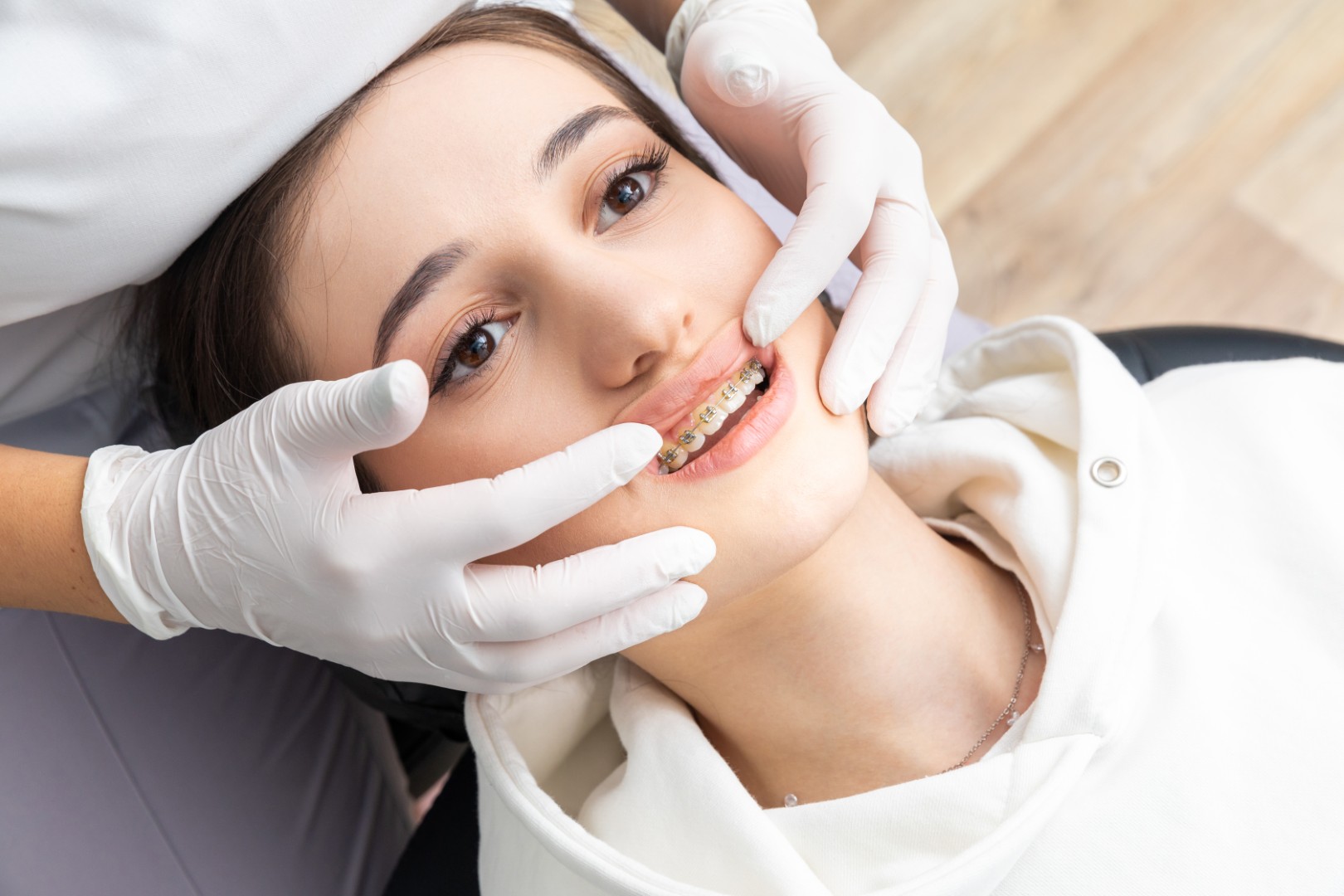
A bite checkup is simple and comfortable. At Ahava Orthodontics, the team examines:
-
How the upper and lower teeth meet
-
Jaw growth patterns
-
Spacing and crowding
-
Airway and tongue posture
-
Eruption of adult teeth
Digital scans or X-rays may be taken to see underlying growth. Most children do not need immediate treatment. Instead, many enter a monitoring phase so the orthodontist can guide development as adult teeth appear.
If braces or early appliances are needed later, families receive a clear explanation of the timing and steps. Details about long-term alignment are available on our Braces page.
Fort Worth Parents Care Most About
Parents want reassurance that their child’s bite is healthy and developing as expected. At Ahava Orthodontics, families get clear answers and age-appropriate recommendations — not rushed treatment.
Comfort is also a major priority. Children are guided gently during exams, and parents receive practical insight they can use at home.
One Fort Worth parent shared:
“I wasn’t sure if my daughter’s bite was normal, but the orthodontist explained everything in simple steps. We now have a plan to monitor her growth, and it gives us so much peace of mind.”
This supportive approach helps families feel informed and prepared.
Get the Professional Support You Need
If you’re wondering whether your child’s bite is normal, call 817-926-9777 to schedule an evaluation. Ahava Orthodontics will check alignment, review jaw growth, and guide your family through every stage of development.