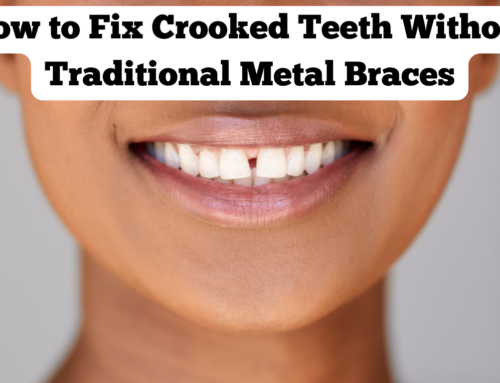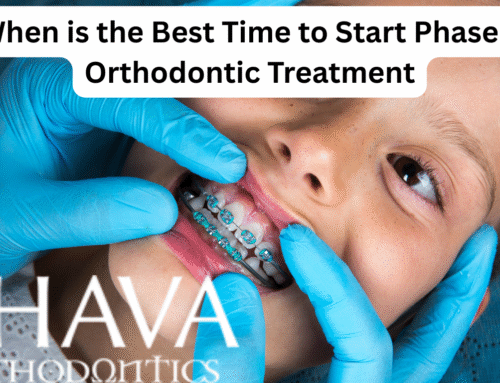
Ahava Orthodontics helps Fort Worth teens and adults understand whether it’s ever too late to begin orthodontic treatment. The short answer is simple: in most cases, it is not too late. Teeth can be moved at almost any age when the gums and bone are healthy.
Many people assume braces are only for middle school students. Others regret not starting treatment earlier and believe they missed their chance. Modern orthodontics makes it possible to improve alignment, bite balance, and oral health well beyond the teen years.
Can Adults Really Get Braces?
Yes. Adults of all ages successfully complete orthodontic treatment every year. Teeth move because of steady, controlled pressure applied over time. That biological process works in adults just as it does in teens.
The main difference is growth. Children still have developing jaws, which can make certain corrections easier. Adults have fully developed jaws, so treatment focuses on tooth movement rather than growth guidance.
Still, age alone does not prevent someone from straightening their teeth.
Why People Delay Orthodontic Treatment
There are many reasons people wait:
-
They were told as kids they didn’t “need” braces
-
Financial concerns delayed care
-
They felt self-conscious about braces
-
They assumed treatment would take too long
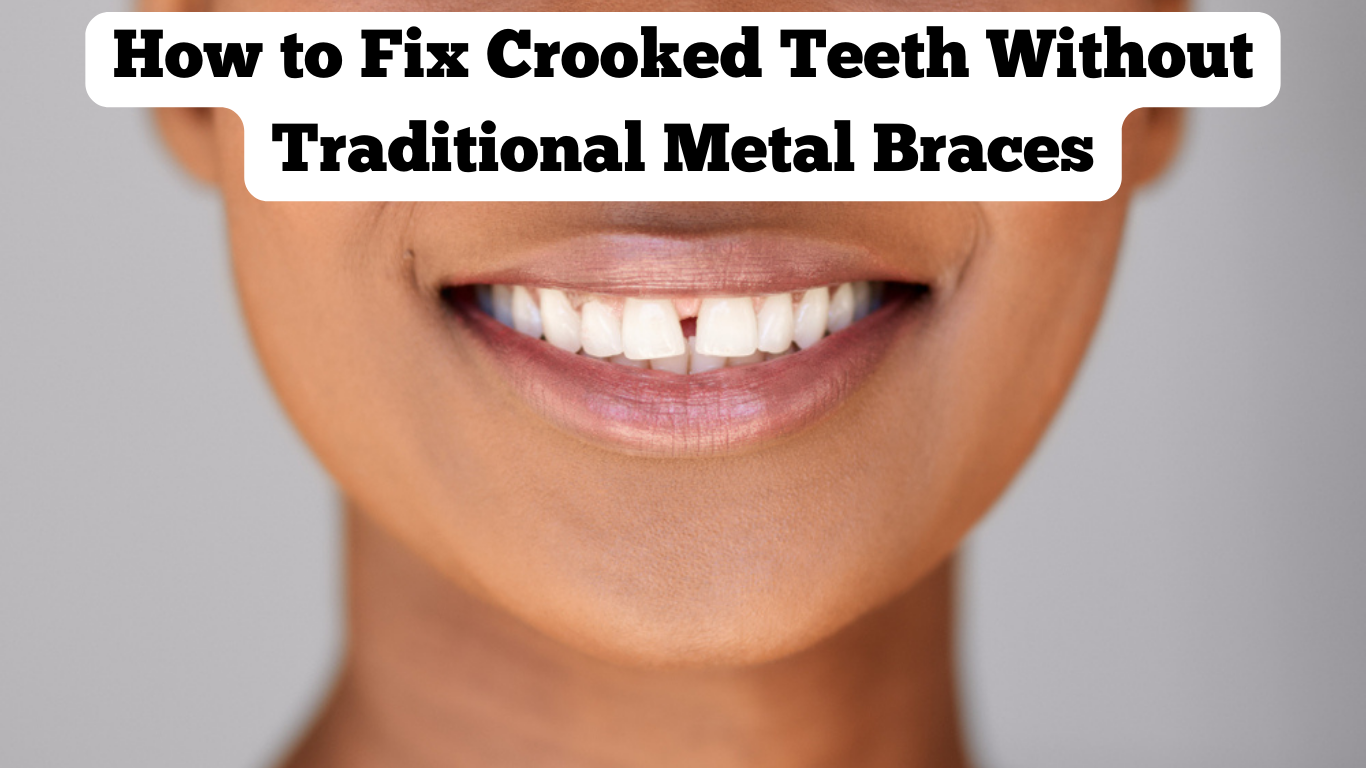
Today’s options make treatment more flexible and discreet. Clear aligners and ceramic braces offer alternatives that fit adult lifestyles.
You can explore modern options on our Braces page.
What Orthodontic Treatment Can Improve at Any Age
Orthodontics is not just about appearance. Straight teeth support better function and long-term health.
Treatment may help:
-
Improve bite alignment
-
Reduce uneven tooth wear
-
Make brushing and flossing easier
-
Support jaw comfort
-
Improve smile confidence
When teeth fit together properly, daily activities like chewing and speaking often feel more comfortable.
The American Association of Orthodontists notes that healthy teeth can be moved at almost any age.
When Timing Does Matter
While it is rarely too late, some cases become more complex with age. Long-standing bite issues may require coordinated treatment between orthodontists and other dental specialists.
For example, severe jaw misalignment in adults sometimes requires combined orthodontic treatment and jaw surgery. Information about these advanced cases is available on our Orthognathic Surgery page.
Even in these situations, treatment is still possible. It simply requires careful planning.
Are There Health Requirements?
Before starting orthodontic treatment, the gums and bone must be healthy. Adults with gum disease may need periodontal care first. Once the foundation is stable, treatment can begin safely.
An orthodontic evaluation includes:
-
Bite assessment
-
Gum health review
-
Digital imaging
-
Discussion of goals and concerns
Clear communication ensures realistic expectations and a safe plan.
What About Teens Who “Missed the Window”?
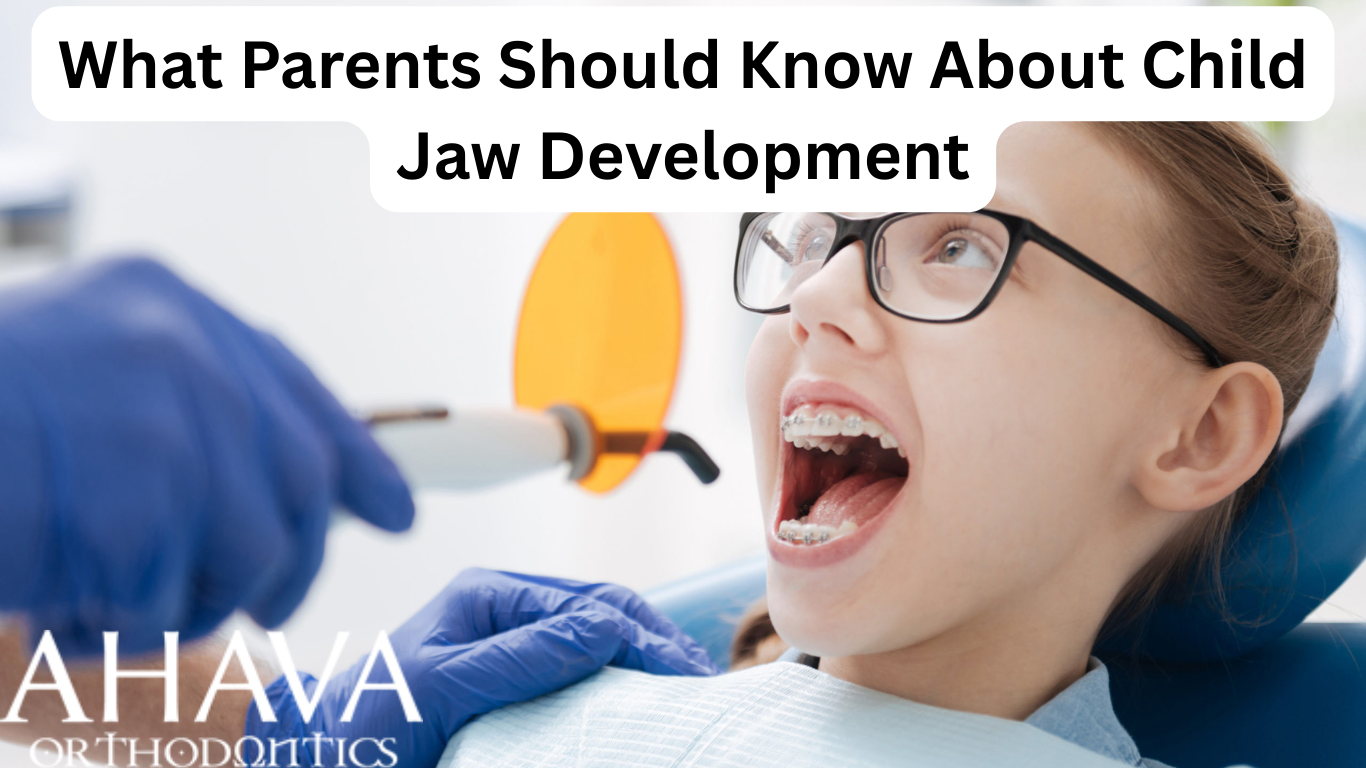
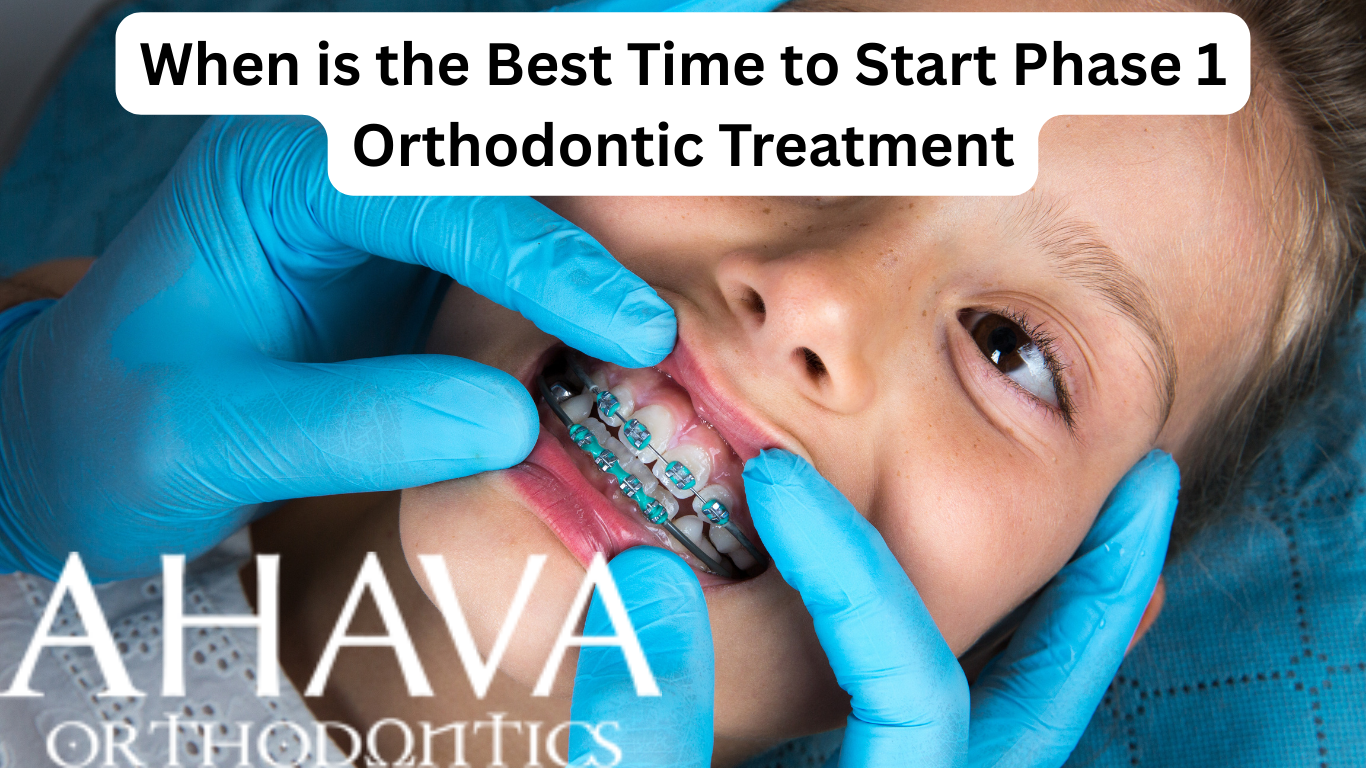
Some teens never had Phase 1 treatment and worry they are behind. The good news is that many children skip early treatment entirely and start directly with Phase 2 in their teen years.
If permanent teeth are in place and growth is nearly complete, comprehensive orthodontic care can still create excellent results. Early intervention is helpful in some cases, but it is not required for everyone.
Families can learn more about early care on our Early Treatment page.
What Fort Worth Adults and Parents Care About Most
Adults often ask if treatment will look noticeable. Modern orthodontics offers options that are far less visible than traditional metal braces.
Parents of older teens often worry about whether treatment will interfere with school or activities. With proper planning, appointments are efficient and manageable.
One Fort Worth patient shared:
“I thought I had missed my chance for braces. Starting treatment as an adult felt intimidating, but the process was smoother than I expected—and worth it.”
That reassurance helps others take the first step.
How Long Does Treatment Take?
Treatment time varies depending on alignment needs and bite complexity. Many adult and teen cases take between 18 and 24 months. Some mild cases finish sooner.
Consistent appointments and following instructions—such as wearing aligners as directed—help keep treatment on schedule.
After treatment ends, retainers maintain alignment and prevent shifting. You can learn more on our Retainers page.
The Real Answer: It’s Rarely Too Late
The best time to start orthodontic treatment may have been years ago—but the second-best time is now. As long as teeth and gums are healthy, improvement is possible.
Age changes treatment strategy, not opportunity. Whether someone is 13 or 53, orthodontic care can create meaningful improvements in both function and confidence.
Get the Support You Need
If you’re looking for answers about starting orthodontic treatment at any age, call 817-926-9777 to schedule an evaluation. Ahava Orthodontics will assess alignment, discuss options, and create a personalized plan that fits your stage of life.