Is it normal for kids to have gaps in their teeth—or is it something parents in Fort Worth should be concerned about? This is a question we hear often, especially as children transition from baby teeth to permanent teeth. The good news is that in many cases, spacing is completely normal. The key is knowing when gaps are part of healthy development and when they may need attention.
Are Gaps in Baby Teeth Normal for Kids?
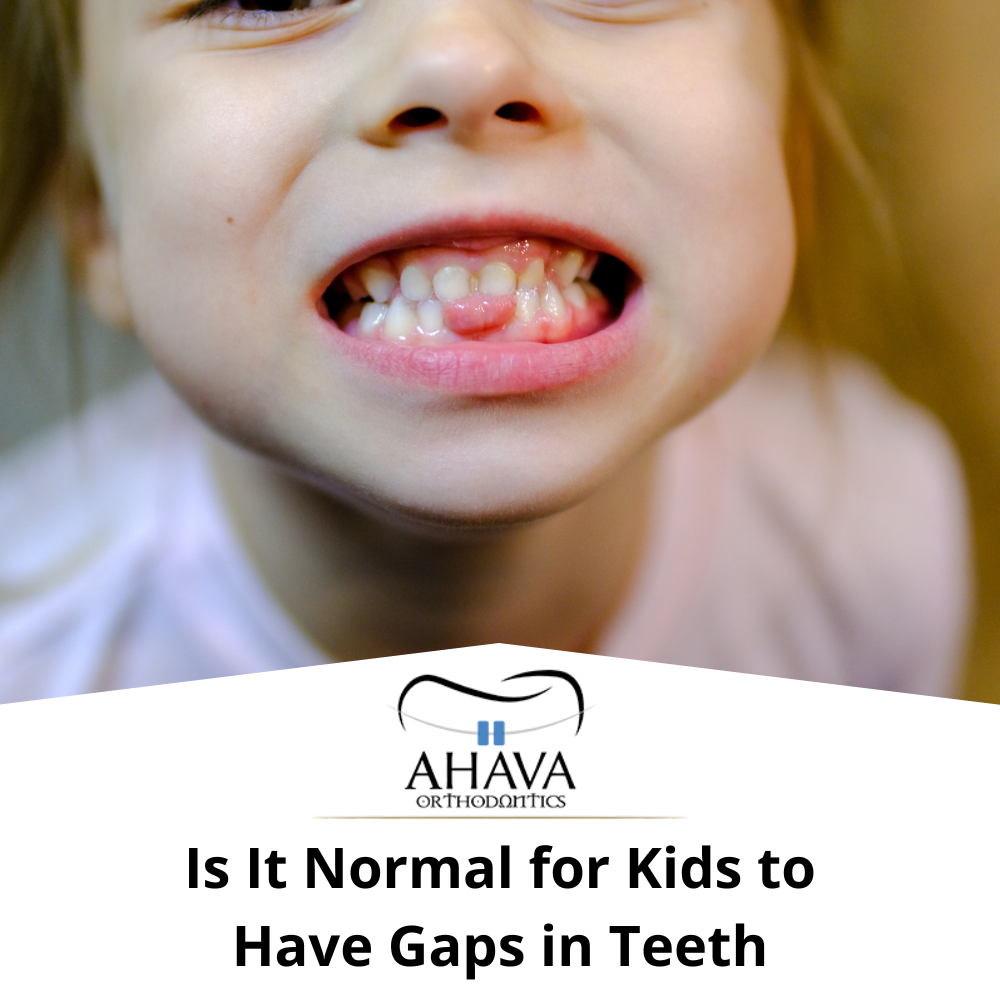
Yes—gaps in baby teeth are actually a good sign. In early childhood, spacing between teeth often means the jaw is developing properly and making room for larger adult teeth.
These gaps, sometimes called “primate spaces,” are important because:
- Adult teeth are bigger than baby teeth
- Extra space helps prevent crowding later
- It allows teeth to erupt in better positions
Parents searching for answers about kids dental spacing in Fort Worth are often relieved to learn that these gaps are not only normal—they’re beneficial.
Why Permanent Teeth May Come in With Gaps
As children grow, their permanent teeth begin to replace baby teeth. During this stage, it’s still common to see gaps, especially in the front teeth.
This happens because:
- The jaw continues to grow and expand
- Teeth erupt at different times
- Larger teeth are adjusting into place
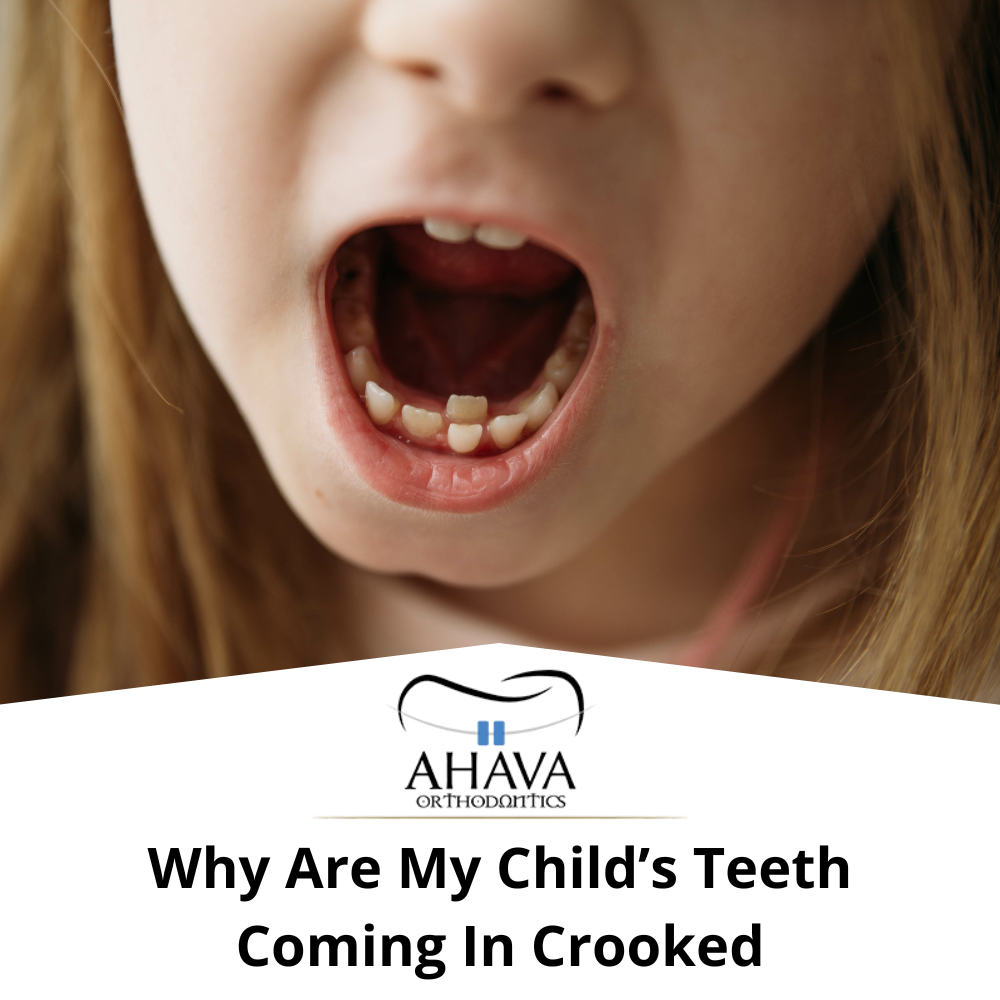
One common example is the “ugly duckling stage,” where front teeth may look spaced or uneven before settling into alignment. This phase usually corrects itself as more teeth come in.
When Teeth Spacing in Children Becomes a Concern
While some spacing is normal, there are times when gaps may signal an underlying issue. Knowing the difference helps parents decide when to seek guidance from a Fort Worth orthodontist for kids.
Gaps may need evaluation if:
- Spaces are very large or uneven
- Teeth are not erupting in expected positions
- There are missing or extra teeth
- Gaps remain after most adult teeth have come in
- Bite issues are also present
In these cases, early orthodontic evaluation can help determine the cause and the best next steps.
Jaw Growth and Spacing Issues in Kids
Proper jaw development plays a major role in whether spacing is helpful or problematic. A well-developed jaw creates balanced spacing, while a narrow or underdeveloped jaw can lead to uneven gaps or crowding.
When jaw growth is limited, it may cause:
- Teeth to shift into unusual positions
- Gaps that don’t close naturally
- Bite misalignment
This is why early orthodontic care in Fort Worth often focuses on guiding jaw development rather than waiting for problems to become more complex.
The Role of Oral Habits in Teeth Spacing
Habits can have a surprising impact on how teeth align. Even normal spacing can be affected by how a child breathes or positions their tongue.
Common habits that influence spacing include:
- Mouth breathing
- Thumb sucking
- Tongue thrusting
- Low tongue posture
These habits can push teeth outward or prevent proper jaw expansion. Treatments like MyoBrace in Fort Worth are designed to correct these patterns early and support natural alignment.
Pediatric Orthodontics Fort Worth: When to Schedule an Evaluation
The ideal time for a child’s first orthodontic evaluation is around age 7. Even if gaps seem normal, this visit provides valuable insight into how your child’s teeth and jaw are developing.
An early evaluation helps:
- Confirm whether spacing is normal
- Identify potential alignment or bite issues
- Monitor growth over time
- Plan treatment only if needed
Many parents are surprised to learn that most children don’t need immediate treatment—just guidance and monitoring.
Do Gaps Close on Their Own?
In many cases, yes—children’s teeth spacing often improves naturally as more permanent teeth erupt. The pressure from neighboring teeth and continued jaw growth can help close smaller gaps.
However, some gaps may remain due to:
- Genetics
- Jaw size differences
- Missing teeth
- Habit-related changes
If gaps persist into the teen years, orthodontic treatment like braces or aligners may be recommended to achieve proper alignment.
What Parents in Fort Worth Should Watch For
Parents want to know if they should wait or act—and the answer depends on what you’re seeing.
It’s usually normal if:
- Gaps are small and evenly spaced
- Your child is still losing baby teeth
- No bite issues are present
It’s worth checking if:
- Gaps are large or increasing
- Teeth appear misaligned or blocked
- Your child has difficulty chewing or speaking
Getting a professional opinion removes uncertainty and helps you make confident decisions.
If You’re Wondering About Your Child’s Teeth Spacing, We’re Here to Help
If you’re asking “Is it normal for kids to have gaps in their teeth?”, you’re already doing the right thing by paying attention. In many cases, spacing is a natural part of growth—but knowing when to evaluate can make all the difference.
When you need trusted guidance from a Fort Worth orthodontist, Ahava Orthodontics is here to help. We provide early evaluations, personalized care, and solutions that support healthy development from the start.
Schedule your free consultation today and get peace of mind about your child’s smile—because every stage of growth matters.