Ahava Orthodontics helps Fort Worth families understand how pediatric orthodontics supports speech development in children. The team explains how tooth alignment, jaw growth, and tongue posture all affect speech clarity—and how early orthodontic care can make a meaningful difference.
Speech issues are often linked to how a child’s mouth develops. While speech therapy is sometimes needed, orthodontic care can play an important role by correcting the physical structures that support clear speech. Here’s how pediatric orthodontics helps.
How Teeth and Jaws Affect Speech
Clear speech depends on proper placement of the tongue, lips, and teeth. When teeth are crowded, spaced too far apart, or the jaws don’t align correctly, certain sounds become harder to form.
Common speech sounds affected by alignment issues include:
-
“S” and “Z” (often sound like a lisp)
-
“T,” “D,” and “N”
-
“Sh,” “Ch,” and “Th”
A balanced bite allows the tongue to rest and move correctly. When the bite is off, the tongue may push forward or sideways, leading to unclear pronunciation. Learn how early evaluations help identify these issues on our Early Treatment page.
Common Orthodontic Issues Linked to Speech Problems
Several orthodontic conditions are commonly associated with speech challenges in children:
Open Bite
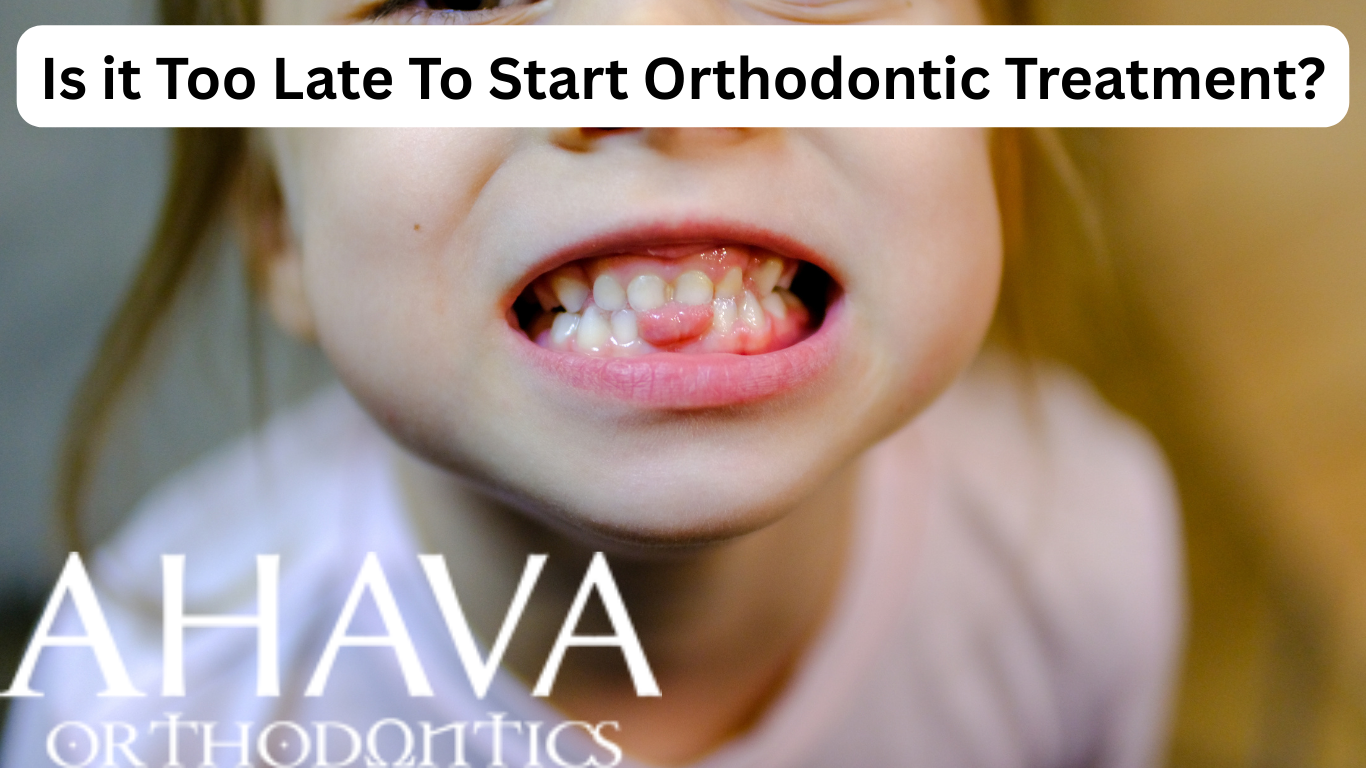
When the front teeth don’t touch, air escapes during speech. This often causes lisps and unclear consonants.
Crowding
Overlapping teeth reduce space for the tongue, affecting articulation.
Underbite or Overbite
Jaw imbalances can change how the tongue contacts the teeth during speech.
Narrow Upper Jaw
Limited tongue space may lead to distorted sounds and mouth breathing.
Correcting these issues early helps the tongue function more naturally. For jaw-related correction options, visit our Jaw Repositioning page.
The Role of Tongue Posture in Speech
Tongue posture plays a major role in both speech and orthodontic development. Ideally, the tongue should rest gently against the roof of the mouth. Poor tongue posture—such as resting low or pushing forward—can affect both alignment and pronunciation.
Orthodontic appliances like expanders can create proper space for the tongue. In some cases, orthodontists work alongside speech therapists to address tongue habits and strengthen correct positioning.
When the tongue has room to move correctly, speech clarity often improves naturally over time.
How Early Orthodontic Treatment Helps
Pediatric orthodontics focuses on guiding growth rather than just straightening teeth. When treatment starts during key growth years, it can improve both structure and function.
Early treatment may include:
-
Palatal expanders to widen the upper jaw
-
Growth-guiding appliances to balance jaw development
-
Limited braces to correct spacing or bite problems
By correcting the physical barriers to clear speech, orthodontic treatment supports speech development in a way that complements therapy when needed.
For children who later need full braces, early care often shortens overall treatment time. Learn more about later stages on our Braces page.
When Orthodontics and Speech Therapy Work Together
Orthodontics does not replace speech therapy, but it often removes the obstacles that make therapy more effective. When teeth and jaws are aligned properly, children can practice sounds without fighting against structural limitations.
Speech therapists frequently recommend orthodontic evaluations when they notice bite-related issues affecting progress. This team approach leads to better, longer-lasting results.
The American Speech-Language-Hearing Association also recognizes the connection between oral structure and speech development.
Signs Your Child May Benefit from an Orthodontic Evaluation
Parents should consider an orthodontic visit if their child:
-
Has a persistent lisp
-
Struggles with certain sounds despite speech therapy
-
Mouth breathes regularly
-
Has visible bite or alignment issues
-
Shows jaw shifting when speaking or chewing
An orthodontic evaluation helps determine whether structural factors are contributing to speech concerns.
What Fort Worth Parents Care About Most
Parents want to know whether orthodontic treatment will truly help their child’s speech. At Ahava Orthodontics, families receive clear explanations about what orthodontics can—and cannot—address.
Comfort and confidence matter. Children are guided gently through treatment, and parents are kept informed at every stage.
One Fort Worth parent shared:
"Our daughter was in speech therapy, but progress was slow. Once her orthodontist corrected her bite, her speech improved noticeably within months."
This type of outcome reassures families that orthodontic care supports more than just straight teeth.
Find Expert Orthodontic Support
When you’re wondering how pediatric orthodontics can support speech development, call 817-926-9777 to schedule an evaluation. Ahava Orthodontics will assess alignment, jaw growth, and oral function to help your child speak and smile with confidence.