Ahava Orthodontics helps Fort Worth families understand whether braces can fix jaw alignment problems and how orthodontic treatment supports healthy growth in children and teens. The team explains which jaw issues braces can help, when other appliances are needed, and what parents should expect during evaluation.
Jaw alignment problems are common. Some kids have bites that shift to one side, while others struggle with overbites, underbites, or crossbites. Many parents wonder if braces alone can correct these issues. The answer depends on the child’s age, growth stage, and the severity of the bite problem.
What Braces Can Fix on Their Own
Braces are excellent for straightening teeth, and in some cases, they can also improve mild jaw alignment issues. When the problem is caused mostly by the teeth, braces can guide them into better positions so the bite fits more comfortably.
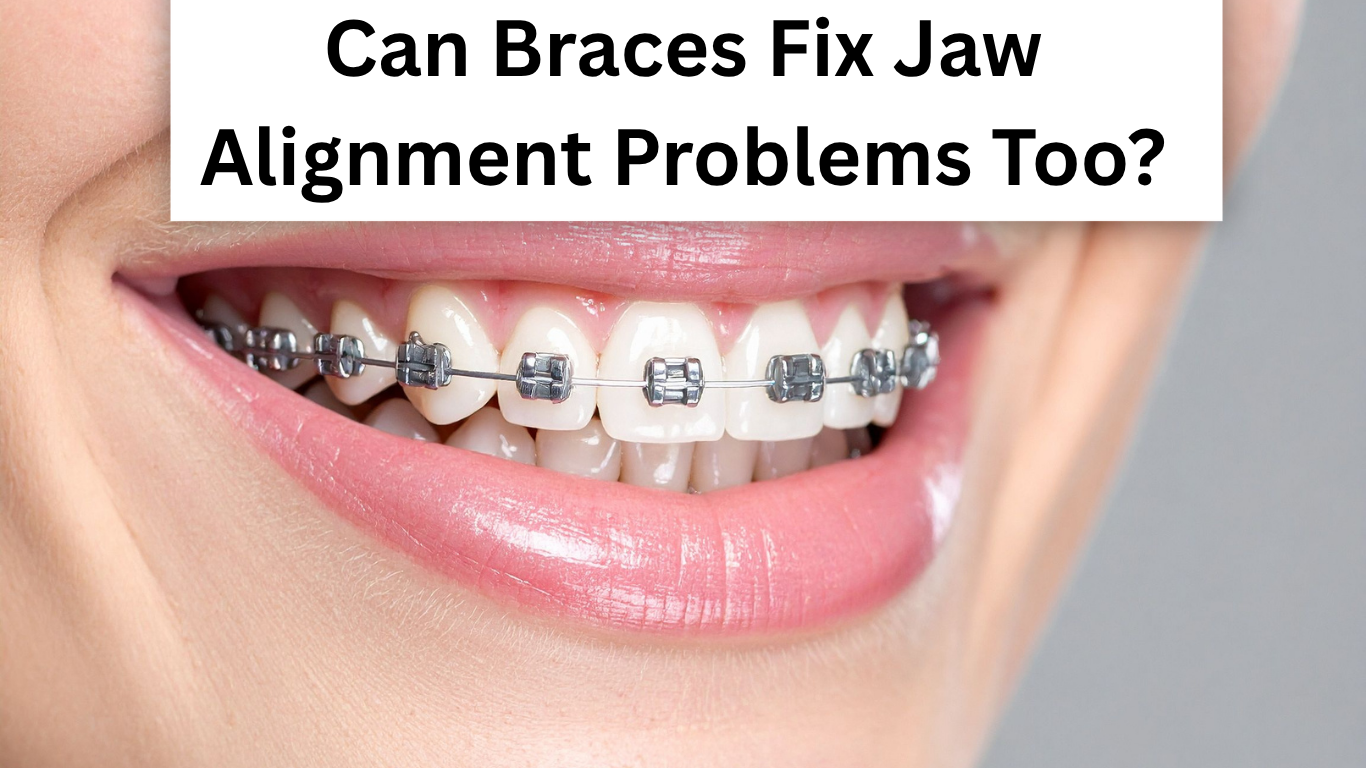
For example, mild overbites, minor underbites, and small side shifts can sometimes improve with braces alone. These cases usually involve adjustments to the teeth rather than the bones themselves.
Families curious about whether braces can help can explore options on our Braces page.
When Jaw Problems Need More Than Braces
More significant jaw alignment problems often require additional tools. This is because braces only move teeth — not the bones that support them.
Common jaw issues that typically need extra support include:
-
Underbites caused by a forward-growing lower jaw
-
Severe overbites linked to a small lower jaw
-
Crossbites caused by a narrow upper jaw
-
Open bites from thumb-sucking or tongue posture
-
Facial asymmetry caused by uneven growth
To correct these problems early, orthodontists often use expanders or growth-guiding appliances. Learn more about these options on our Jaw Repositioning page.
How Age and Growth Affect Treatment
Jaw alignment is easier to correct during childhood because the bones are still developing. Between ages 7 and 12, the upper and lower jaws are flexible and respond well to orthodontic guidance.
During this stage, the orthodontist can use:
-
Palatal expanders to widen the upper jaw
-
Functional appliances like the Herbst or MARA to guide lower jaw growth
-
Limited braces to support bite correction
Braces may follow after growth appliances to refine tooth alignment. Because early care works with natural growth, these cases often finish with better balance and stability. More details for this age group are on our Early Treatment page.
Can Braces Fix Jaw Problems in Teens and Adults?
Once jaw growth is complete, braces alone cannot correct skeletal alignment problems. Teens may still have some growth left, but adults do not.
For these patients, braces or Invisalign straighten the teeth, but orthognathic surgery is often needed to reposition the jaws. This combination approach creates a balanced bite, improves chewing, and enhances facial symmetry.
Surgery is recommended only when it provides a clear functional or health benefit. You can learn more about this option on our Orthognathic Surgery page.
The American Association of Orthodontists also explains how jaw problems often require combined orthodontic and surgical care in adults.
Signs Your Child May Have a Jaw Alignment Issue
Parents are often the first to notice early signs. These may include:
-
Jaw shifting to one side when chewing
-
Teeth that don’t meet evenly
-
Clicking or discomfort when opening the mouth
-
Snoring or mouth breathing
-
Difficulty biting into certain foods
Even if symptoms are mild, an orthodontic evaluation can determine whether braces, appliances, or growth-guiding treatment is the best fit.
What Fort Worth Parents Care About Most
Parents want to know two things:
1. Can the problem be fixed?
2. How early should we start?
At Ahava Orthodontics, families receive clear, honest explanations about their child’s jaw alignment, along with realistic timelines for correction. Early evaluation helps avoid more complex treatments later.
Comfort is also an important factor. Children are guided gently through appliances, adjustments, and braces. Parents receive updates at every checkup so they feel confident in the plan.
One Fort Worth parent shared:
“Our son’s bite was shifting to one side, and we didn’t understand why. The orthodontist explained everything clearly and created a plan. After a few months with an appliance, his bite looked better than ever.”
This kind of support makes a big difference when families are facing jaw concerns.
Get the Help You Need
If you’re looking for answers about braces and jaw alignment problems, call 817-926-9777 to schedule an evaluation. Ahava Orthodontics will examine your child’s bite, explain what braces can fix, and recommend the best plan for long-term balance and comfort.