Ahava Orthodontics helps Fort Worth families understand when to start Phase 1 orthodontic treatment and why timing plays such an important role in healthy jaw and tooth development. Early orthodontic care focuses on guiding growth while a child’s mouth is still developing, making treatment more effective and predictable.
Many parents wonder if their child is too young for orthodontics. Others worry they may have waited too long. The truth is that timing matters more than age alone. Here’s how to know when Phase 1 treatment is appropriate.
What Phase 1 Orthodontic Treatment Is Designed to Do
Phase 1 orthodontic treatment is early intervention that typically begins between ages 7 and 10. At this stage, children still have a mix of baby and permanent teeth, and the jaws are actively growing.
The goal of Phase 1 is not to straighten every tooth. Instead, it focuses on correcting jaw growth problems and bite issues before they become more serious. When recommended at the right time, it can create space for permanent teeth and improve overall alignment.
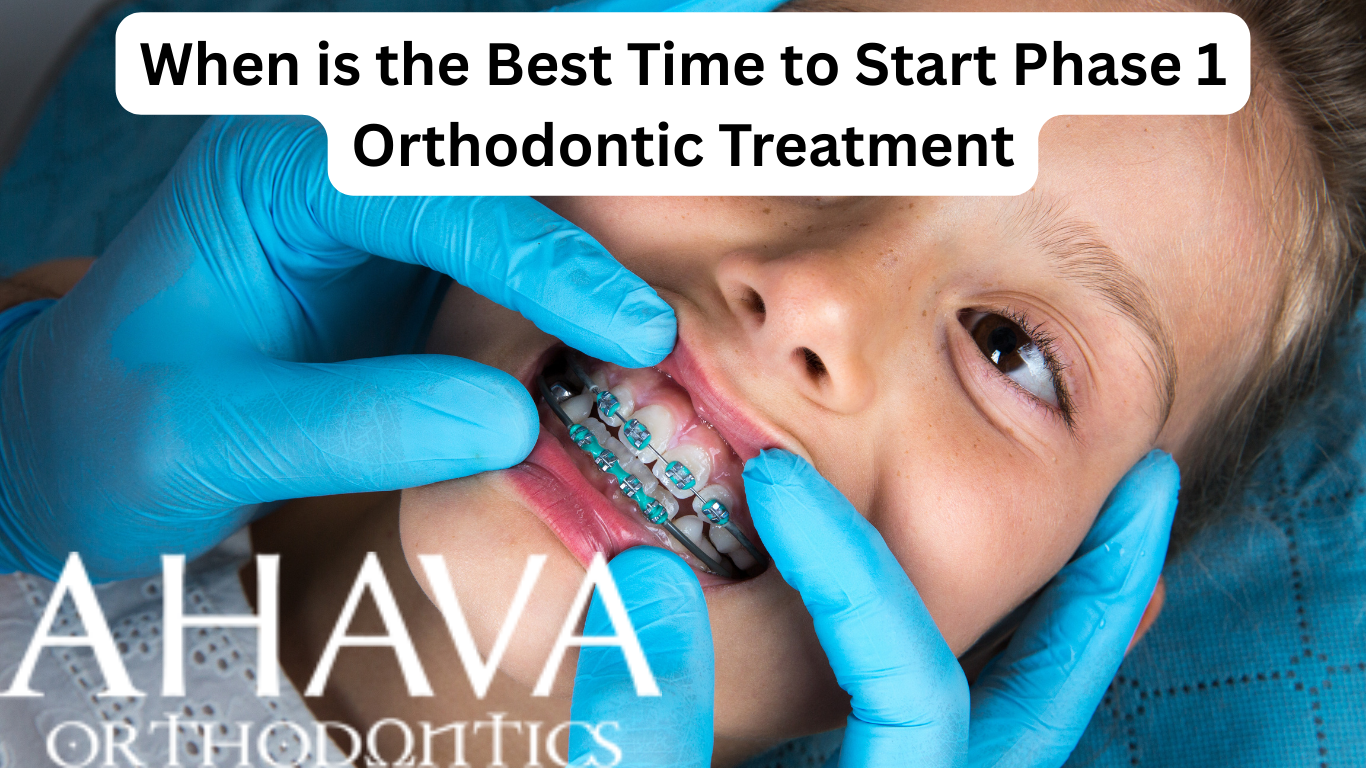
Families can learn more about early intervention on our Early Treatment page.
Why Age 7 Is Often Recommended
The American Association of Orthodontists recommends that children have their first orthodontic evaluation by age 7. At this age, enough permanent teeth have erupted to reveal early signs of growth concerns.
By age 7, orthodontists can evaluate:
-
Jaw alignment and growth patterns
-
Spacing for incoming permanent teeth
This does not mean treatment begins immediately at age 7. Many children only need monitoring. However, early evaluation ensures treatment begins at the ideal moment if needed.
Signs Your Child May Be Ready for Phase 1 Treatment
Not every child needs Phase 1 orthodontic treatment. It is recommended when growth patterns suggest future problems.
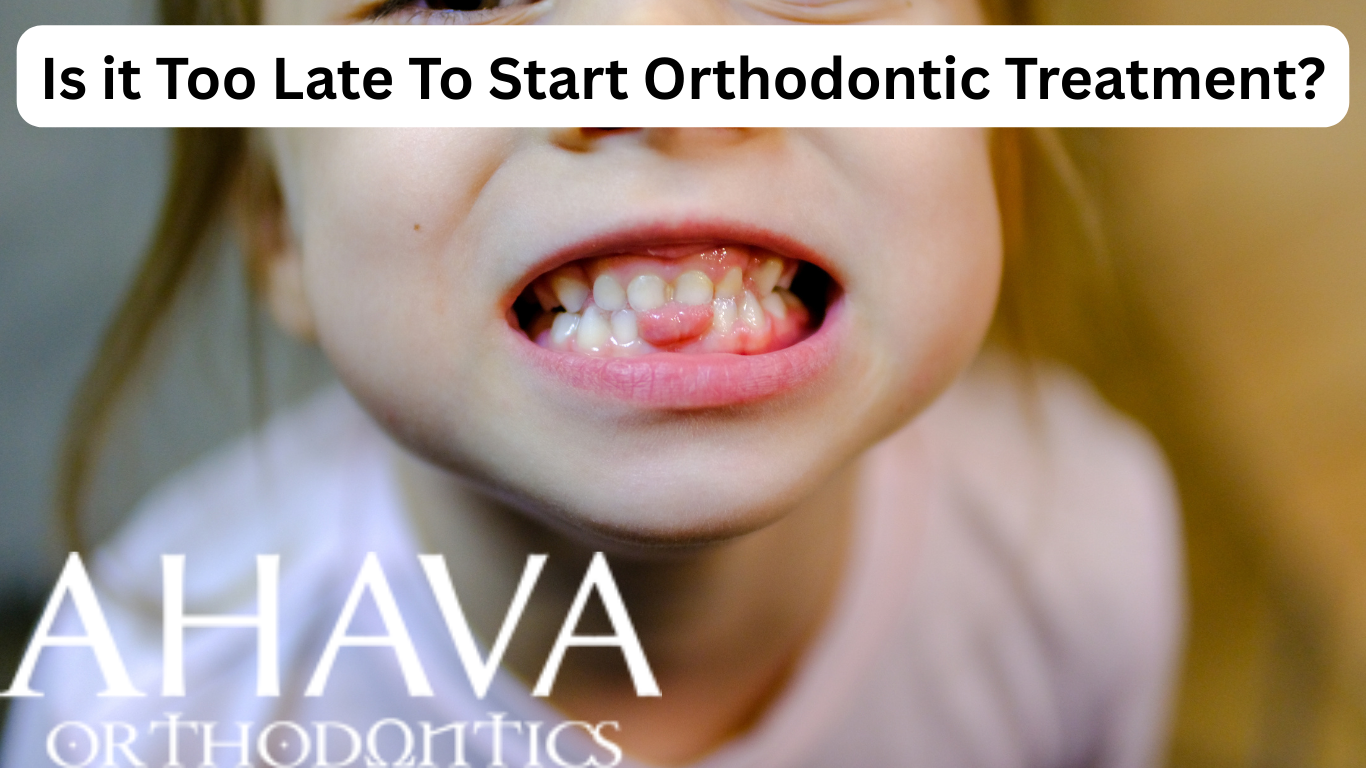
Common signs that may indicate the right time includes jaw imbalance, early crowding, crossbite, underbite, mouth breathing, or early loss of baby teeth.
If these signs appear during early elementary school years, an orthodontic evaluation can determine whether immediate treatment would improve outcomes or if observation is sufficient.
More information about jaw-related concerns is available on our Jaw Repositioning page.
Why Starting Too Early Can Be a Mistake
Beginning Phase 1 treatment before a child is developmentally ready can extend treatment time unnecessarily. Orthodontists look for specific growth markers before recommending intervention.
Starting at the right time ensures:
-
Jaw bones respond properly to guidance
-
Permanent teeth have enough development to plan accurately
Careful timing avoids overtreatment and supports efficient results.
Why Waiting Too Long Can Also Be Risky
On the other hand, waiting past the ideal growth window may limit treatment options. Once jaw growth slows, certain corrections become more complex.
When Phase 1 is started during active growth, orthodontists can guide jaw development rather than simply reacting to problems later. This can reduce the risk of severe crowding, impacted teeth, or even jaw surgery in adulthood.
Timing is not about rushing. It is about using growth wisely.
What Fort Worth Parents Care About Most
Parents want to know if early treatment is necessary or optional. At Ahava Orthodontics, recommendations are based on growth patterns and long-term benefit—not age alone.
Families appreciate knowing:
-
Whether treatment is truly needed
-
What Phase 1 aims to prevent
-
How long early treatment will last
One Fort Worth parent shared:
“We brought our daughter in at age 7 just for a check. The orthodontist monitored her for a year before starting Phase 1. The timing made all the difference.”
Clear communication helps families feel confident in the process.
What Happens After Phase 1
If Phase 1 orthodontic treatment is recommended, it usually lasts 9 to 12 months. After that, children enter a monitoring phase while remaining permanent teeth erupt.
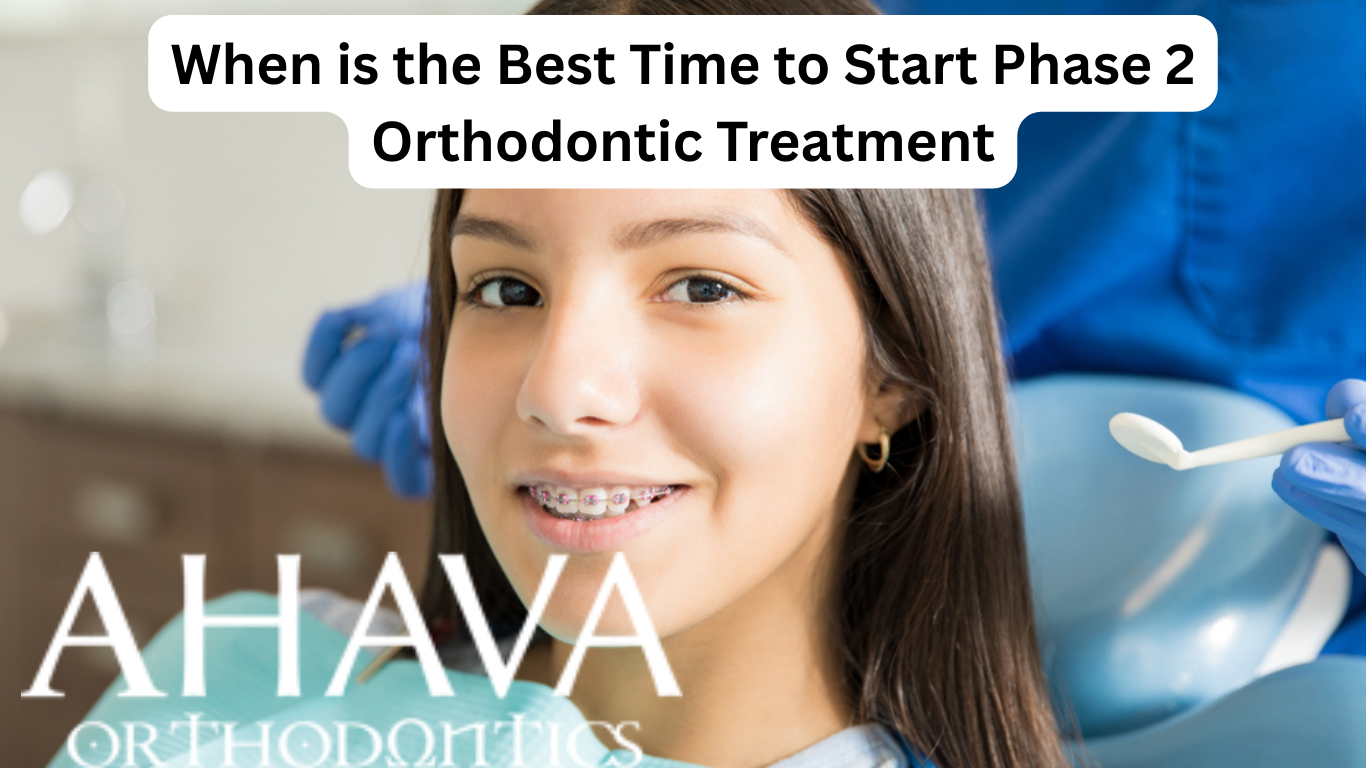
Later, many children move into Phase 2 orthodontic treatment, which focuses on straightening permanent teeth. Because growth was guided early, Phase 2 is often shorter and more predictable.
Families can review alignment options on our Braces page. Retainers after treatment help protect long-term results, which you can learn about on our Retainers page.
The Key Takeaway About Timing
The best time to start Phase 1 orthodontic treatment is when growth patterns show early signs of concern—usually between ages 7 and 10. Early evaluation does not mean early braces. It means informed planning.
Orthodontists use this growth window strategically. When treatment begins at the right moment, results are more stable and less complex.
Get the Help You Need
When you’re wondering if it’s the right time to start Phase 1 orthodontic treatment, call 817-926-9777 to schedule an evaluation. Ahava Orthodontics will assess growth, explain timing clearly, and create a personalized plan for your child.